
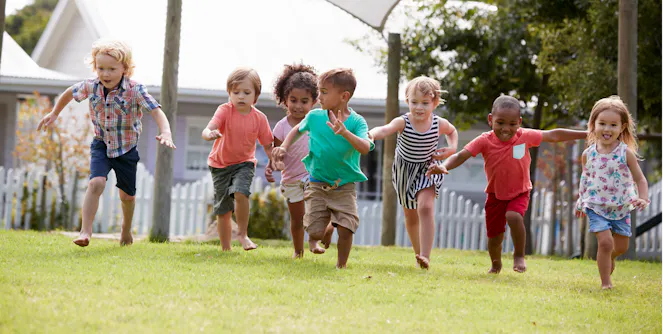
Experts in child health and physical activity offer recommendations for training of early childhood educators, and strategies to get kids moving.
Articles on Physical activity
Displaying 181 - 200 of 262 articles
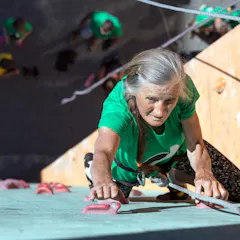
A guide to physical activity for those over 60, from the lifetime physically active to the late starter.
Running once a week, or for 50 minutes a week, significantly improves your health and reduces your risk of dying at a single point in time.
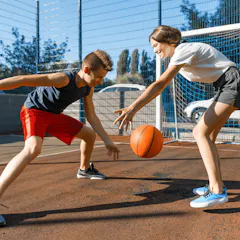
We found that 13- and 14-year-old teens from deprived areas already showed signs of developing heart disease – but also made some surprising discoveries about what factors can lead to a healthy heart.
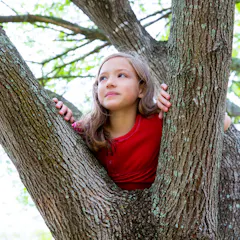
Every expert we asked talked about the importance of letting children take risks and explore in nature. But they also advised parents to supervise and set limits.
Moving daily is essential to keeping ourselves healthy.
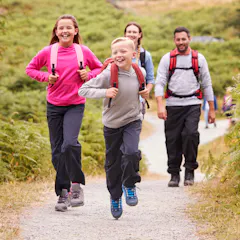
We need to keep active and exercise to stay healthy. So why not teach school kids some of the activities they’d go on to enjoy later in life?
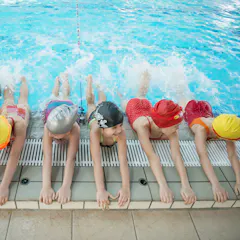
Our new research shows that children who are physically active every day tend to perform better in exams.

Is grunting a sign that we’re ageing fast? Or is it just one of those things that come with the middle years, like reading glasses, greying hair and ‘dad jokes’?

Sport is only one way of being active and it’s usually done at particular times and on particular days. Teens should get physical activity throughout the day, every day.

Most Australians exceed the guidelines for screen time, and most parents feel guilty about the time their child spends on the screen. But not all screen time is bad. Content matters.

Specialist teachers and hours of compulsory physical education a week are keeping Nordic school children moving. When it comes to physical activity, Australia could do better.

Research shows that the more adults identify with exercise or physical activity, the more they engage in it.
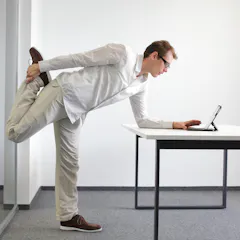
A new study shows that moderate to intense physical activity — such as playing soccer or running — for up to 50 minutes per day is associated with better mental health.

Forest School helps children learn without realising it.

Although it’s not possible for parents to completely shield their kids from screens and junk food, in the home they have a unique opportunity to establish healthy behaviours.

Financial rewards can entice us to exercise more, and the benefits are lasting, according to a new research review.

Getting enough exercise to offset the health impacts of sitting might be easier than you think, new research shows.
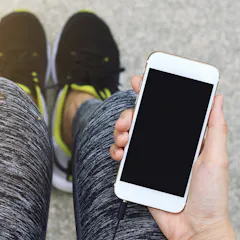
We blame electronic devices for our increasingly sedentary behaviours. So why not harness them to study our movement patterns and tackle urgent health crises?

Many people drink coffee for that extra bit of energy to go about their day. As well as sharpening our minds, there’s evidence caffeine can give us a physical boost, too.
Top contributors
-

Lecturer in Exercise Science, Adelaide University
-
Professor, research professor in exercise, nutrition and activity, Adelaide University
-
Deakin Distinguished Professor, Faculty of Health, Deakin University
-
Professor of Physical Activity, Lifestyle, and Population Health, University of Sydney
-
Lecturer in Physiotherapy, Adelaide University
-
Professor of Health Sciences, Adelaide University
-
Professor and Director of the Child Health and Physical Activity Lab, Western University
-
Associate Professor of Education, Charles Sturt University
-
Research Fellow, Allied Health & Human Performance, Adelaide University
-
Adjunct Research Fellow, School of Human Sciences, The University of Western Australia
-
Associate Professor of Digital Health, Monash University
-
Professor, Victoria University
-
Senior Lecturer in Health and Physical Education, University of Tasmania
-
Associate Professor, Physiotherapy, Trinity College Dublin
-
Ken Nosaka is a Friend of The Conversation.
Professor of Exercise and Sports Science, Edith Cowan University