
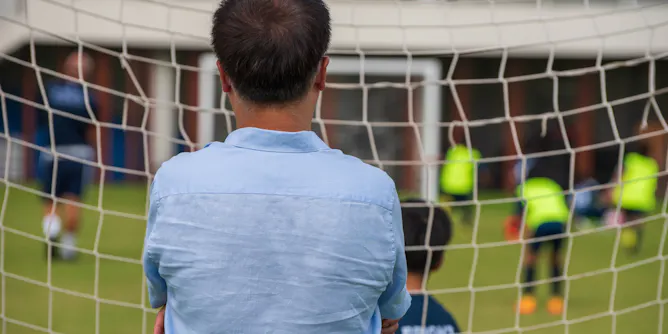
A lack of support from parents is a major reason why some junior coaches quit. So, what can coaches do to build better relationships with parents?
Articles on Physical activity
Displaying 61 - 80 of 262 articles
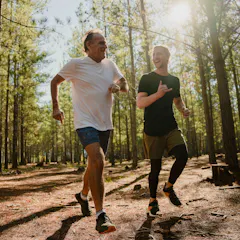
Heart rate zones are a measure of exercise intensity based on a percentage of your maximum heart rate.
Most kids associate sports coaches with men, but they should be coached by women as well. There’s no quick fix to change attitudes and address biases, though.

Esports, obstacle course racing and pickleball are becoming more and more popular, but how do they impact physical and mental health?
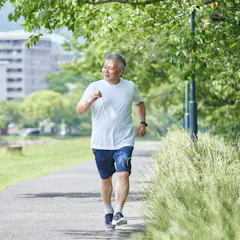
There are ways to incorporate strength-training components into walking to improve your muscle strength and balance.
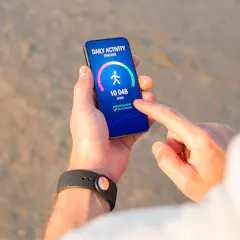
Offering financial incentives for exercise may be one way of stimulating, and sustaining, a more active lifestyle. Research suggests that even after rewards stop, exercise gains mostly persist.
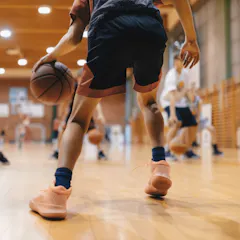
In both mainstream and Indigenous communities across Canada, sport is neither inherently good nor bad. Rather, it is a tool that must be used responsibly.
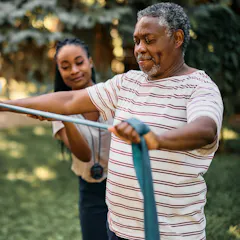
People with disability gain many benefits from being physically active, from greater movement to improved mental health. But options for community-based physical activity are limited.

Activity trackers come with a variety of functionalities. While some are important, others you can pay less attention to.

To better measure their activity and become members of a sports community, many amateur athletes are adopting smartwatches and digital tools. But others are giving them up.
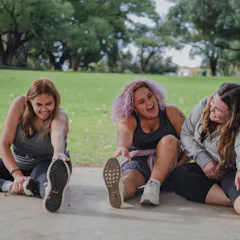
Through many social inequities, First Nations peoples are more likely to experience poor mental health. A new review shows how physical activity that includes cultural practices can help.
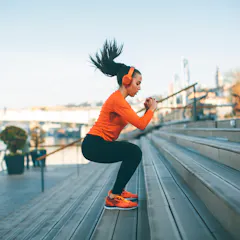
We should not rule out a direct link between exercise and longevity, but it may have a smaller role than previously thought.

Lifestyle-related dementia risks are complex, with factors like sleep, exercise, diet and social contact interacting with things like cognitive reserve, neuroplasticity and inflammation in the body.
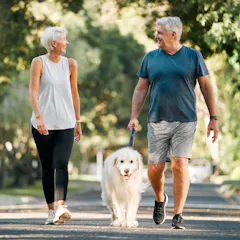
Sedentary lifestyles come with substantial health risks. But even small increases in our daily physical activity may go some way to mitigating these risks.
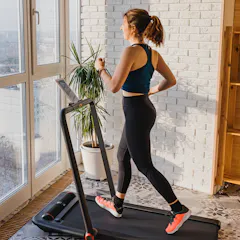
If you’re thinking of buying a piece of cardio equipment for at-home workouts, here are the pros and cons.

Many workplaces have adopted sit-stand desks, which allow you to sit down or stand up with the push of a button, to reduce the risks of prolonged sitting. But is standing better for your health?
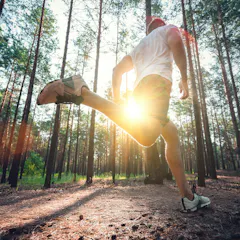
Many heat-related health problems can be avoided by adopting a healthy, active lifestyle. But the younger generation is less active than previous generations, and therefore more vulnerable.

New research explores the health potential of brief bursts of activity – and how wearables combined with machine learning can reveal health benefits of unexplored aspects of our everyday lives.
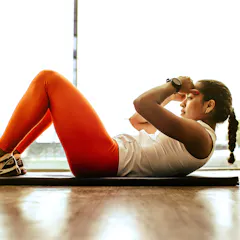
With the rising cost of living, gyms and fitness classes are becoming unaffordable. But you can make just as much progress at home if you include these three components.
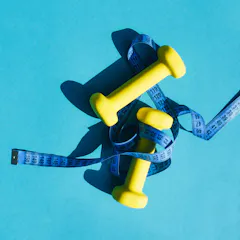
Some researchers assert that the body responds to exercise by burning fewer calories when you’re not working out. Regardless of its effects on weight loss, exercise provides many health benefits.
Top contributors
-

Lecturer in Exercise Science, Adelaide University
-
Professor, research professor in exercise, nutrition and activity, Adelaide University
-
Deakin Distinguished Professor, Faculty of Health, Deakin University
-
Professor of Physical Activity, Lifestyle, and Population Health, University of Sydney
-
Lecturer in Physiotherapy, Adelaide University
-
Professor of Health Sciences, Adelaide University
-
Professor and Director of the Child Health and Physical Activity Lab, Western University
-
Associate Professor of Education, Charles Sturt University
-
Research Fellow, Allied Health & Human Performance, Adelaide University
-
Adjunct Research Fellow, School of Human Sciences, The University of Western Australia
-
Associate Professor of Digital Health, Monash University
-
Professor, Victoria University
-
Senior Lecturer in Health and Physical Education, University of Tasmania
-
Associate Professor, Physiotherapy, Trinity College Dublin
-
Ken Nosaka is a Friend of The Conversation.
Professor of Exercise and Sports Science, Edith Cowan University