
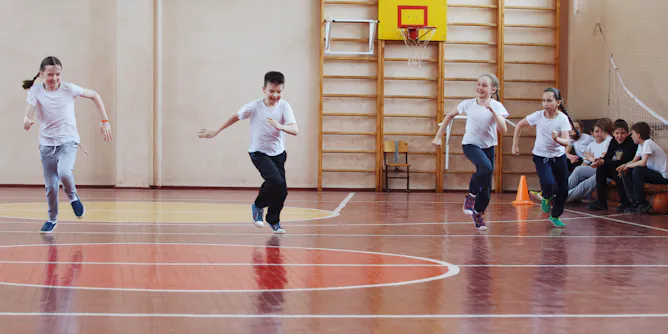
Governments spend millions to try to get kids moving but these interventions may be short-lived, or only benefit a group of kids. Our program is cost-effective and can work long term.
Articles on Physical activity
Displaying 141 - 160 of 262 articles

Hiking has seen a sharp increase in popularity since the start of the pandemic.

What if assisted living facilities became more active communities, where the residents were less sedentary? This could potentially enable residents to gain more independence, rather than losing it.
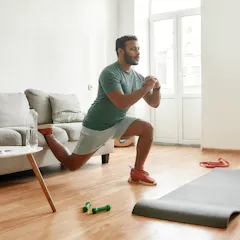
Choosing the right “cocktail” of light activity, exercise and sitting, can improve health and decrease risk of premature death.
Meeting the recommended guidelines for physical activity reduces the risk of falling ill and dying of infectious diseases by 37%.

But more intense exercises – such as weightlifting – are still important for health and fitness.
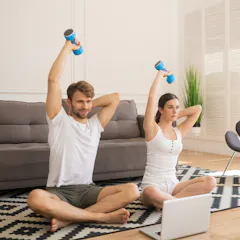
Research shows that the gaps in physical exercise have widened substantially between men and women, whites and non-whites, rich and poor and educated and less educated: especially during the pandemic.
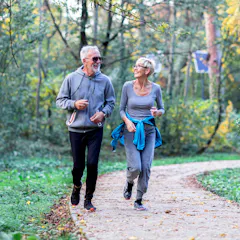
People who stayed active or became more active in adulthood spent between 10% and 22% less on healthcare.
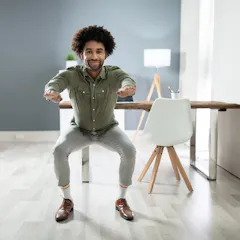
Short, 20-second bursts of activity — known as exercise ‘snacks’ — throughout the day have many benefits, from boosting energy and productivity to improving cardiorespiratory fitness.
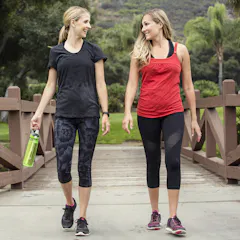
Even half the amount of steps shows health benefits.

Lifestyle medicine targets the root of chronic diseases like obesity, heart disease and diabetes. Experts explain why everyone should embrace these free prescriptions for good health.

Moving during the work day is not only good for our health, but can also improve our concentration.
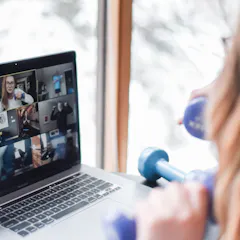
The restrictions put in place during the COVID-19 pandemic have led to a boom in online fitness opportunities. Here’s what to look for in online classes.
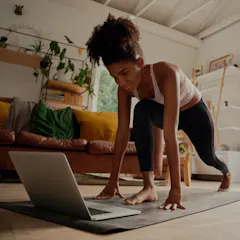
Around 36% of people overestimate how much exercise they get daily.
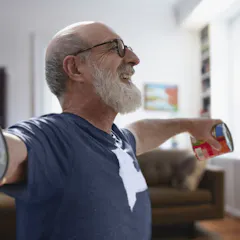
Older adults, who are at a higher risk for COVID-19 complications, can strengthen their immune systems by exercising.
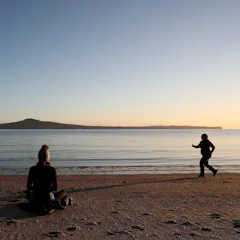
People who value the physical and mental health benefits of exercise are more likely to maintain habits they developed during periods of COVID-19 lockdown.

Being physically active is largely not an individual choice, but a result of what funds, spaces, places and opportunities are available to the individual and communities.
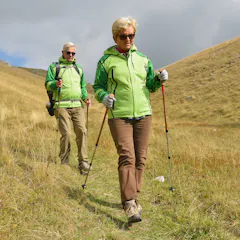
‘Eccentric exercises’ are a normal part of everyday life – but they may carry some risks.

Couch potatoes are always looking for a way out.

A new study found a few sessions a week of high-intensity interval training helped students pay attention in class.
Top contributors
-

Lecturer in Exercise Science, Adelaide University
-
Professor, research professor in exercise, nutrition and activity, Adelaide University
-
Deakin Distinguished Professor, Faculty of Health, Deakin University
-
Professor of Physical Activity, Lifestyle, and Population Health, University of Sydney
-
Lecturer in Physiotherapy, Adelaide University
-
Professor of Health Sciences, Adelaide University
-
Professor and Director of the Child Health and Physical Activity Lab, Western University
-
Associate Professor of Education, Charles Sturt University
-
Research Fellow, Allied Health & Human Performance, Adelaide University
-
Adjunct Research Fellow, School of Human Sciences, The University of Western Australia
-
Associate Professor of Digital Health, Monash University
-
Professor, Victoria University
-
Senior Lecturer in Health and Physical Education, University of Tasmania
-
Associate Professor, Physiotherapy, Trinity College Dublin
-
Ken Nosaka is a Friend of The Conversation.
Professor of Exercise and Sports Science, Edith Cowan University