

Gamers face eye strain, repetitive-use conditions, back problems and even blood clots. Lessons from music, dance and car racing can help prevent and treat these injuries.
Articles on Sedentary lifestyles
Displaying 1 - 20 of 76 articles

An oncologist answers the key questions about the new sitting-and-cancer study, and what its findings do and don’t show.

Long hours at a desk can raise the risk of diabetes, heart disease and poor concentration, even in people who exercise regularly.

From a biological perspective, being inactive is more than the opposite of being active. Being sedentary results in unique physiological changes that can lead to a variety of health risks.

People don’t need a strict workout schedule to get moving.

Obesity remains a problem in Africa.

The modernisation of small towns, while positive economically, brings hidden health costs.
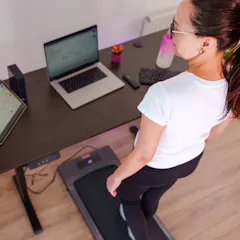
Yes, there is evidence changing your desk set up can help with fat loss, improving cholesterol, blood pressure and metabolism. But try this before you buy.

Being a sports fan has been shown to cultivate a sense of belonging. But what about all that sitting, snacking and drinking? And what does that mean for younger, health-conscious fans?

The new guidelines, updated for the first time since 2017, lower the threshold for hypertension treatment and offer a more personalized approach.
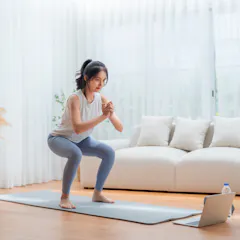
Just a few squats several times a day can counteract the harmful effects of sitting for long periods.

Patients with chest pain who have a sedentary lifestyle are at higher risk for more heart problems and death within the year following hospitalization.

With screens dominating family life, understanding the impact of parental screen habits on the health of the whole family can guide us in setting better boundaries.
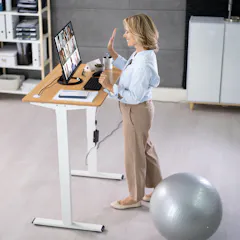
Turns out, standing all day may be just as bad for you as sitting all day.

The easiest ‘how-to’ guide for strength training at your desk – a step-by-step reference for beginners
People born in 1990 were between two and three times more likely to develop thyroid, kidney, pancreatic and small intestine cancer than those born in 1955.

Many doctors use ‘motivational interviewing’ to encourage patients to change unhealthy habits, but my new research shows this may be no more effective than other activity programmes.

Julian Assange spent years in some form of isolation. Just how damaging can that be for your mental and physical health?

Office workers are sedentary for hours at a time. Our research looked at what they should do to stay healthy.

We really ought to be sitting less. Seriously.
Top contributors
-

Professor, research professor in exercise, nutrition and activity, Adelaide University
-
Professor of Health Sciences, Adelaide University
-
Professor of Physical Activity, Lifestyle, and Population Health, University of Sydney
-
Professor and Laboratory Head of Physical Activity, Baker Heart and Diabetes Institute
-
Professor Health Behaviour Dynamics, Glasgow Caledonian University
-
Professor, University of the Witwatersrand
-
Associate Professor of Behavioral Medicine, Columbia University
-
Professor of Environmental Humanities, University of Kent
-
Research Fellow, Iverson Health Innovation Research Institute, Swinburne University of Technology
-
Senior Research Fellow, Glasgow Caledonian University
-
Senior Lecturer in Public Health, Macquarie University
-
Deakin Distinguished Professor, Faculty of Health, Deakin University
-
Postdoctoral fellow, Behavioural Medicine Lab, School of Exercise Science, Physical & Health Education, University of Victoria
-
Research Officer, Leeds Beckett University
-
Professor of Applied Psychology, Glasgow Caledonian University