
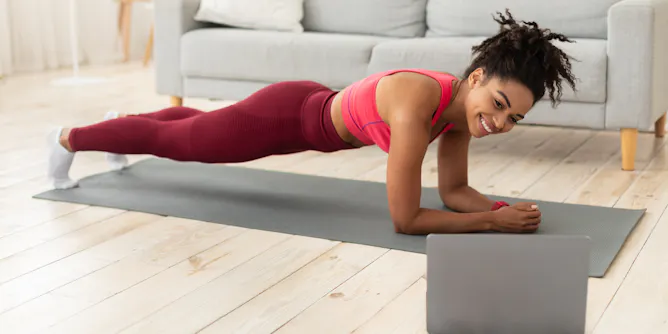
Researchers looked at the most popular YouTube fitness videos and the types of behavioural change techniques they used. Here’s what they found.
Articles on Physical activity
Displaying 121 - 140 of 262 articles
Research from around the world showed how much children’s activity levels dropped during lockdowns.
Over half of people who intend to make healthy lifestyle changes fail to do so. Understanding the automatic tendencies that prevent people from enacting a new health habit can help them stick to it.
A growing body of research points to the body’s natural cannabinoid system as the primary driver behind the runner’s high – and the mental health boost and stress relief following exercise.
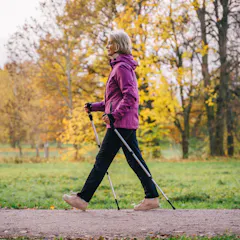
People who were more active had lower levels of inflammation in their brain.

To get more workers to be active, public health messaging must recognize the important role employers can play in creating the conditions for workers to focus on exercise.

New research suggests gamifying neighbourhoods could encourage people to travel more actively.

Too much time studying isn’t good for you or your grades. The challenge is to find the best balance of study, sleep and other activity to improve learning without compromising well-being.
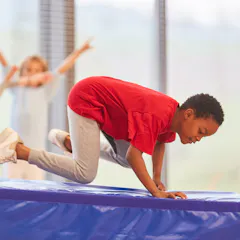
Studies point to students’ movement skills declining during lockdowns, especially among younger children. Levels of physical activity must be restored to avoid lifelong harm to their health.
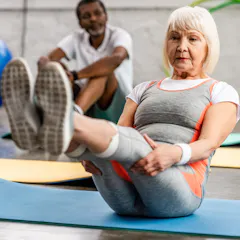
Exercise – alongside standard treatments – may help improve strength and flexibility, and other symptoms of rheumatoid arthritis.
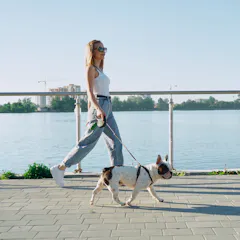
Making small changes daily can help prevent weight gain in the long run.
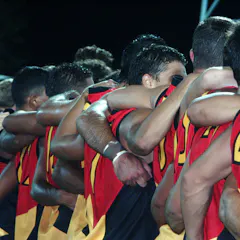
Physical activity and sport are important in Aboriginal and Torres Strait Islander cultures. However, there are barriers to these activities for some communities. How can this be addressed?
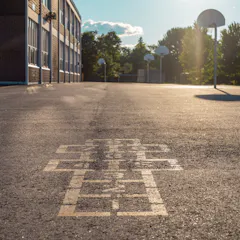
Studies have shown a drop in physical activity for kids during lockdowns, which could impact their long term health. But their mums are getting more active.
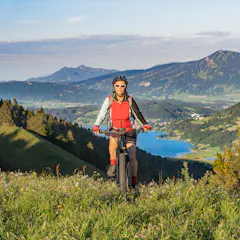
Electric bikes allow riders to go much further and faster in the countryside – and this has led to a lot of concern from mountain bikers.

Physical activity barriers are still prevalent for people with disabilities, despite the increase in participation in the Paralympic Games.
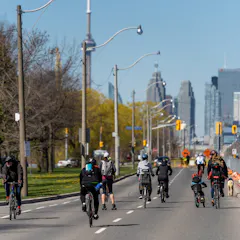
ActiveTO and programs like it across the country create more urban public space for exercising and can remove a major barrier to physical activity: lack of open and safe space.
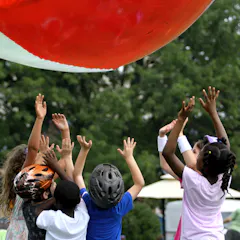
Public and community health experts highlight four ways that communities can collaborate to encourage physical activity and fun.
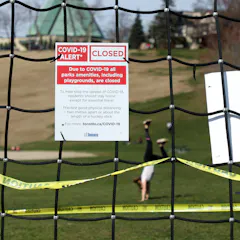
Socio-economic factors are major barriers to physical activity. New research suggests this is one more reason why disadvantaged people were at increased risk for COVID-19.

Teaching circus arts — from juggling to trapeze — in physical education classes increased children’s physical literacy, resilience and participation, with greater gender equity.

Doing at least 75 minutes of vigorous activity per week can be enough to reduce or eliminate some of the health harms of poor sleep.
Top contributors
-

Lecturer in Exercise Science, Adelaide University
-
Professor, research professor in exercise, nutrition and activity, Adelaide University
-
Deakin Distinguished Professor, Faculty of Health, Deakin University
-
Professor of Physical Activity, Lifestyle, and Population Health, University of Sydney
-
Lecturer in Physiotherapy, Adelaide University
-
Professor of Health Sciences, Adelaide University
-
Professor and Director of the Child Health and Physical Activity Lab, Western University
-
Associate Professor of Education, Charles Sturt University
-
Research Fellow, Allied Health & Human Performance, Adelaide University
-
Adjunct Research Fellow, School of Human Sciences, The University of Western Australia
-
Associate Professor of Digital Health, Monash University
-
Professor, Victoria University
-
Senior Lecturer in Health and Physical Education, University of Tasmania
-
Associate Professor, Physiotherapy, Trinity College Dublin
-
Ken Nosaka is a Friend of The Conversation.
Professor of Exercise and Sports Science, Edith Cowan University