
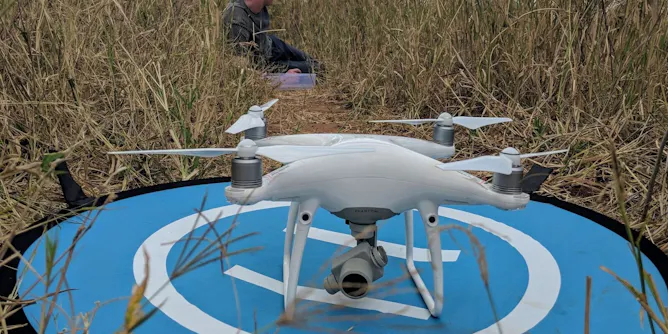
High-tech drones and low-tech ‘bucket and spade’ are helping Malawians fight malaria.
Articles on Malaria
Displaying 161 - 180 of 290 articles

The CDC recently announced an uptick in diseases spread by vectors such as mosquitoes and ticks. Here’s why and what you can do to lower your risk.
Discoveries as a result of ongoing research on malaria in pregnant women in Papua are helping to develop better treatments to fight the disease.

Each year, 500,000 people die of malaria annually, a preventable disease. Most of them children in Africa, where many anti-malarial drugs are fake or substandard.

Malaria elimination in Malawi is lagging because research isn’t being used properly.
A novel mosquito repellent has been found to have a longer lifespan than those commercially available.

Baringo county and other areas on the western side of Kenya are struggling to reduce their seasonal malaria caseloads.
The spread of infectious diseases such as chikungunya is closely linked to urban mobility, yet small Indian cities could play a crucial role in the resilience process.

New research shows just 1% of E. coli bacteria’s genetic mutations are lethal.
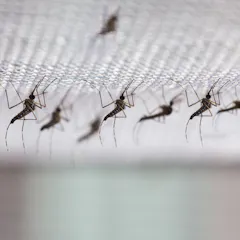
Kenya must establish policies to tackle dengue fever and chikungunya, like it did for malaria.
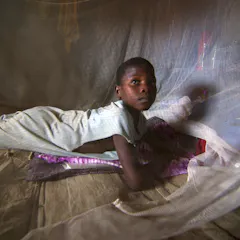
Kenya has managed to reduce the number of malaria cases in parts of the country. But this, in turn, has led to immunity levels dropping.

An unexpected breakthrough looks promising for finding new drugs to treat two deadly diseases.
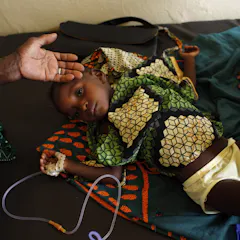
After an exceptional period of success in global malaria control, the progress has stalled. New strategies are needed to suit a variety of transmission patterns.

Epidemiologists and public health managers are looking to complement indoor-based malaria solutions with those that focus on the outdoors. Drones are a crucial part of their armoury.
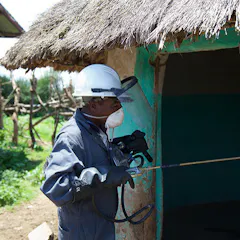
A spike in the number of malaria cases in southern Africa means that the region will not meet its initial target of eliminating malaria by 2018.

Health investments raise worker productivity, but firms may not observe changes in worker effort. Technology that measures physical activity demonstrates these potential gains.

Malaria is a major public health problem that affects 106 countries globally. A rigorous and systematic approach to predict and control malaria transmission is needed.
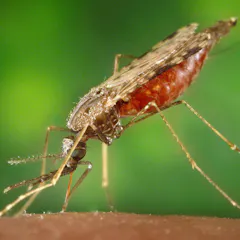
The history of malaria prevalence in Africa is a long term cycle of highs and lows. However, there’s been little change in the high transmission belt that covers parts of West and Central Africa.

QuRapID can find Ebola in a drop of blood in just over an hour.
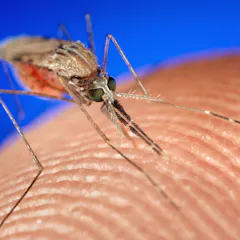
The death of a young Italian girl from cerebral malaria has scientists scratching their heads.
Top contributors
-

Principal Medical Scientist and Head of Laboratory for Antimalarial Resistance Monitoring and Malaria Operational Research, National Institute for Communicable Diseases
-
Medical scientist, National Institute for Communicable Diseases
-
Medical Entomologist at the School of Biological Sciences, University of Nairobi
-
UP ISMC: Project Manager and Coordinator, University of Pretoria
-
Director: UP Institute for Sustainable Malaria Control, University of Pretoria
-
Chief Research Officer, Kenya Medical Research Institute
-
Director of the Jenner Institute, University of Oxford
-
Director of Science, Ifakara Health Institute
-
Project Manager, Cambridge Africa, Anglia Ruskin University
-
Professor of Molecular Parasitology and Medicine, St George's, University of London
-
Clinical Associate Professor, School of Medical Science & Sydney Infectious Diseases Institute; Principal Hospital Scientist, University of Sydney
-
Board Certified Internal Medicine Physician and Public Health Scientist, MidMichigan Health, University of Michigan
-
Director and CEO, Burnet Institute
-
Co-Director, Institute of Infection, Chair, Immunology & Vaccinology, Imperial College London
-
Scientist, International Centre of Insect Physiology and Ecology