

Scientists are discovering that old malaria drugs and other existing medicines might help prevent cancer from returning.
Articles on Anti-malarial treatments
Displaying 1 - 20 of 40 articles

Traditionally dominated by the use of centralised, resource-intensive servers, machine learning is being democratised with the growth of “TinyML”, distinguished by its small size and low cost.

Prescription opiods, stimulants such as those used to treat ADHD and the ingredients found in sexual dysfunction drugs like Viagra are some of the drugs that are being marketed to US consumers.

Our experts look at why people of colour are being hit harder by COVID-19, New Zealand’s success in eliminating the virus, and the latest on drug trials.
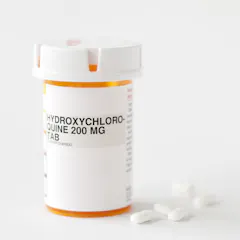
The president promoted the combination of hydroxychloroquine and an antibiotic for treating COVID-19. But a new study suggests it provides no benefits.
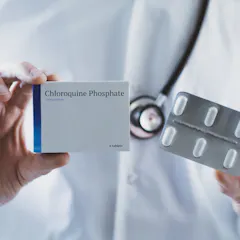
Taking these drugs to treat COVID-19 without medical advice has caused poisonings and death.
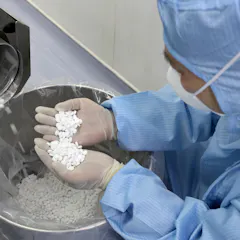
A medicinal chemist addresses questions about chloroquine and hydroxychloroquine: what it is, whether it is effective against COVID-19 and whether it can treat and/or prevent this disease.
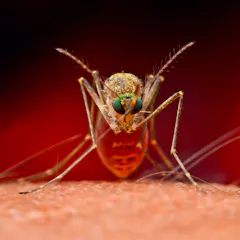
Today, human populations carry heavy genetic marks from the war with malaria. And it is the red blood cell (erythrocyte) that mostly bears the scars.
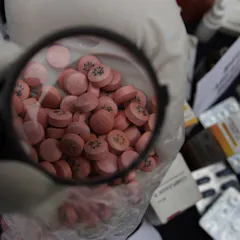
Each year, 500,000 people die of malaria annually, a preventable disease. Most of them children in Africa, where many anti-malarial drugs are fake or substandard.
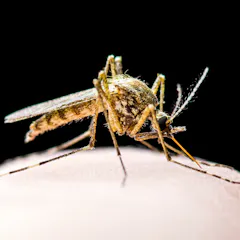
A novel mosquito repellent has been found to have a longer lifespan than those commercially available.

Before travelling, plan ahead in case you need to pack medicines for sleep, diarrhoea, malaria, pain or anxiety.
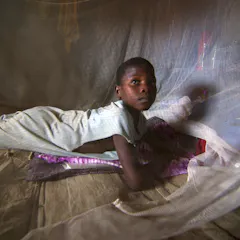
Kenya has managed to reduce the number of malaria cases in parts of the country. But this, in turn, has led to immunity levels dropping.
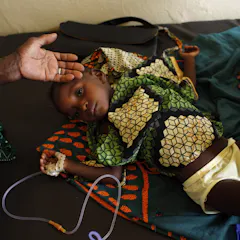
After an exceptional period of success in global malaria control, the progress has stalled. New strategies are needed to suit a variety of transmission patterns.
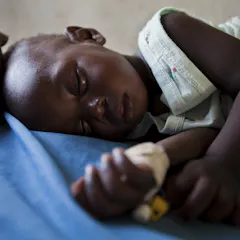
Malaria is a major public health problem that affects 106 countries globally. A rigorous and systematic approach to predict and control malaria transmission is needed.
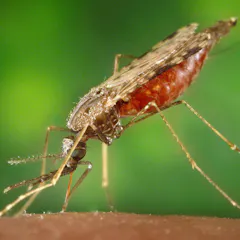
The history of malaria prevalence in Africa is a long term cycle of highs and lows. However, there’s been little change in the high transmission belt that covers parts of West and Central Africa.
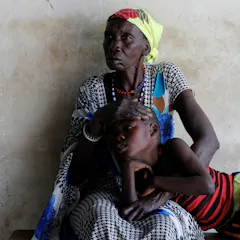
Stronger malaria prevention like a vaccine is urgently needed for effective response in endemic regions.

Eliminating malaria in Africa has been held back by a range of factors, including a lack of funds and drug and insecticide resistance challenges.
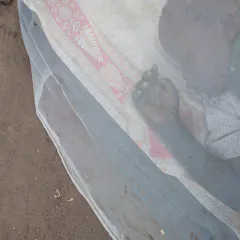
Mosquitoes are controlled by insecticide treated nets to curb the spread of Malaria. The nets which are hung over beds can be reused after serving its purpose.
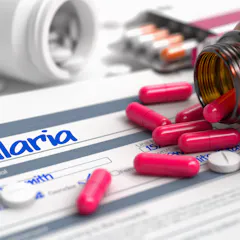
The gains made towards eliminating malaria in endemic countries is being threatened by insecticide and antimalarial drug resistance.
There’s a need for new anti-malarial agents due to some malaria drugs becoming ineffective in the fight against the disease.
Top contributors
-

Chief Research Officer, Kenya Medical Research Institute
-
Associate Professor, The University of Melbourne
-
PhD Candidate , Medical Parasitologist, Kenya Medical Research Institute
-
Project Manager, Cambridge Africa, Anglia Ruskin University
-
Professor of Chemistry and Biochemistry and President-Elect of the International Society for Antiviral Research, University of Maryland, Baltimore County
-
Assistant Professor of Computer Science, Dartmouth College
-
University of Oxford
-
Postdoctoral Researcher, Harvard University
-
Former President of the Indonesian Academy of Sciences, Professor of Biochemistry and Molecular Biology, and Principal Scientist, Eijkman Institute for Molecular Biology
-
UP ISMC: Project Manager and Coordinator, University of Pretoria
-
Research Chair, Integrated Vector Management in the Vector Control Cluster, Centre for Sustainable Malaria Control, University of Pretoria
-
Professor, Department of Chemical Engineering and Director of Institute of Applied Materials, University of Pretoria
-
Assistant Professor of Chinese, Emory University
-
Emeritus professor, Durham University
-
Professor at the Centre of Excellence for Pharmaceutical Sciences, North-West University