
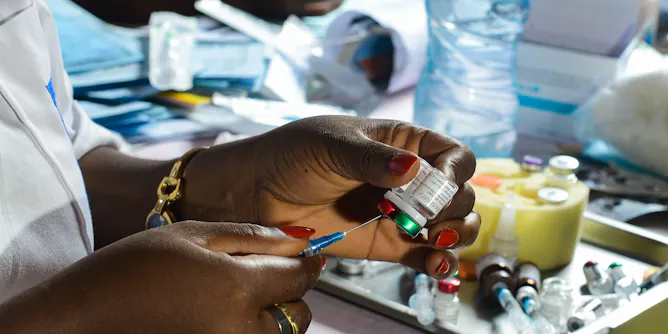
Malaria is still endemic in Africa.
Articles on Malaria vaccine
Displaying 1 - 20 of 32 articles
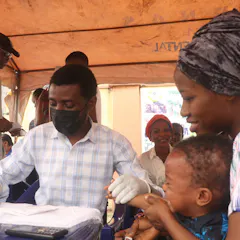
A recently approved drug for malaria treatment offers hope to millions of children who suffer from the disease in Africa.

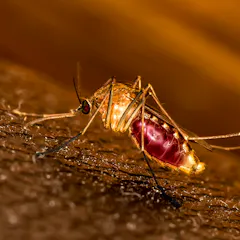
Anopheles mosquitoes transmit malaria.

The fight against malaria faces many obstacles, including funding cuts. But it remains far cheaper to prevent the disease than to treat it.

Malaria has been around longer than humankind. The endgame for this deadly parasitic disease is in sight.

This is an era of exciting advances in medical science. But Africa is in danger of being at the back of the queue once again. What should we be doing to make sure this doesn’t happen?
In this episode of The Conversation Weekly, we hear from the scientists behind a new malaria vaccine developed by the University of Oxford.
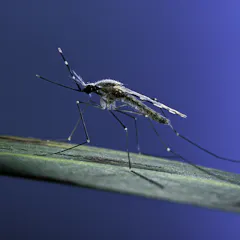
After recent cases in Florida and Texas, authorities are advising the public to drain standing water sources to keep mosquitoes from multiplying.
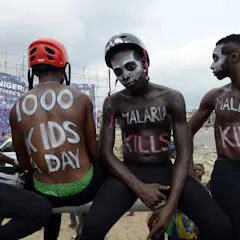
Nigeria must do more to reduce its high malaria burden.
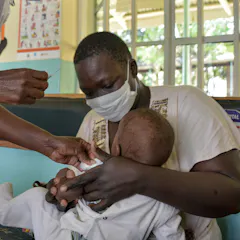
For a malaria vaccine to have an impact, health promotion is key. Awareness campaigns must address safety concerns and emphasise expected positive impacts.

A combination of herbs in Nigeria should be evaluated further as it offers potential to treat malaria, which is endemic in the country.

The successful development of an effective vaccine against the deadliest form of malaria that is most common in sub-Saharan Africa is indeed a major achievement.
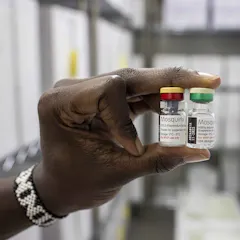
Malaria is one of the world’s oldest and deadliest diseases. So why has it taken so long to get a vaccine?
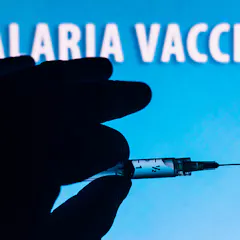
The WHO and the manufacturers of the vaccine will be rallying countries, particularly those with high malaria burdens, to adopt the vaccine.
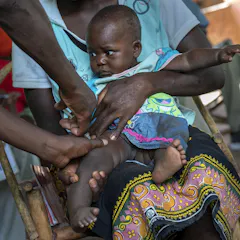
But the vaccine isn’t perfect. So we’ll still need mosquito nets and insecticides too.
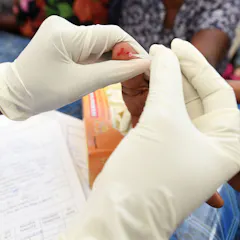
Nigeria must invest more in research and incorporate World Health Organisation-recommended interventions to eliminate malaria.

We have two mRNA COVID-19 vaccines so far. But what else can this technology do?
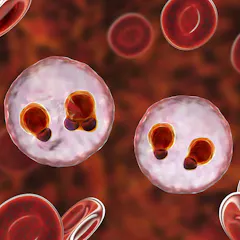
Genetic diversity of a parasite population might help us watch for drug-resistant parasites.
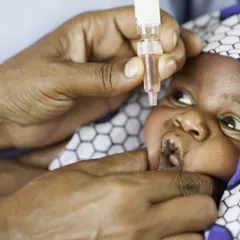
Coronavirus is a stark reminder of what a world without vaccines would look like.

Deliberately infecting people with a disease-causing agent as part of carefully considered medical research can be ethically acceptable or even necessary.
Top contributors
-

Principal Medical Scientist and Head of Laboratory for Antimalarial Resistance Monitoring and Malaria Operational Research, National Institute for Communicable Diseases
-
Professor in Molecular Parasitology and Genetics, Federal University, Oye Ekiti
-
Medical scientist, National Institute for Communicable Diseases
-
Co-Director, Institute of Infection, Chair, Immunology & Vaccinology, Imperial College London
-
Project Manager, Cambridge Africa, Anglia Ruskin University
-
UP ISMC: Project Manager and Coordinator, University of Pretoria
-
Director of the Jenner Institute, University of Oxford
-
Research Chair, Integrated Vector Management in the Vector Control Cluster, Centre for Sustainable Malaria Control, University of Pretoria
-
Medical Entomologist at the School of Biological Sciences, University of Nairobi
-
Director: UP Institute for Sustainable Malaria Control, University of Pretoria
-
Senior lecturer, Biochemistry, North-West University
-
Research Fellow, KEMRI Wellcome Trust Research Programme
-
Professor of Molecular Parasitology and Medicine, St George's, University of London
-
Professor of virology and theme leader for viral infectious diseases, The Peter Doherty Institute for Infection and Immunity
-
Professor of Pediatrics, Medicine, Epidemiology and Public Health at the Center for Vaccine Development and Global Health, University of Maryland