
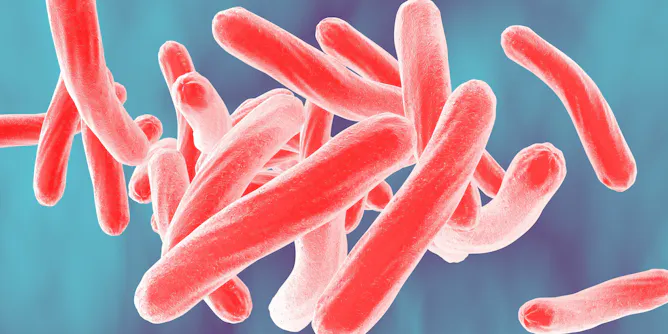
Understanding what causes diseases is a life-and-death matter. It is a complicated issue that has generated a great deal of debate in the medical community.
Articles on Malaria
Displaying 221 - 240 of 290 articles
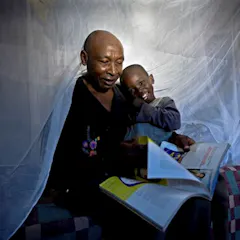
Although there have been global efforts to eliminate parasites, some parasites and vectors will have survived attack because they have evolved resistance.

If we can solve the privacy issues, placing trackers on people and the things we make can teach us a great deal about ourselves and the world around us.
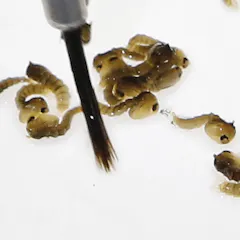
Insecticides and mosquito nets only get you so far. Synthetic biologists are ready to take the battle against mosquito-borne disease to the level of DNA – which might spell the insects’ ultimate doom.
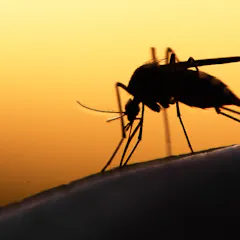
They spread disease and misery and account for millions of deaths every year. There’s not a lot to be said for mosquitoes.
As Zika fear rises, people are inevitably asking why we don’t have a vaccine to protect against the mosquito-borne virus.
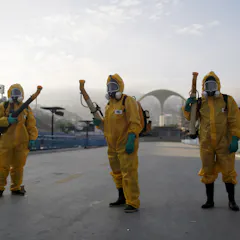
Zika was discovered almost 70 years ago, but wasn’t associated with outbreaks until 2007. So how did this formerly obscure virus wind up causing so much trouble in Brazil?
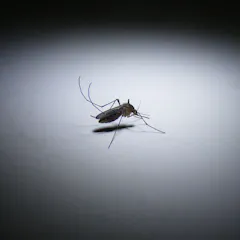
The ethics of genetically modified mosquitoes and the gene-drive technology that seeks to spread them.
Innovative initiative aims to inspire pupils on the continent to take up careers in science.

New genetic technology could change the DNA of entire species to prevent them from spreading diseases.
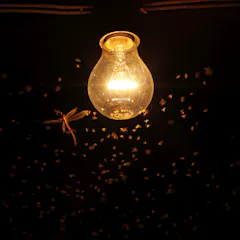
Solar is a vital piece of the energy puzzle for Africa, but there is an insect problem that comes with the light from solar.
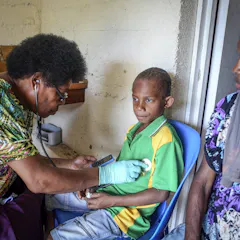
A large number of children with malaria in the Asia-Pacific have relapses of the disease, not new infections. Malaria-programs must target these latent infections to completely eliminate the disease.
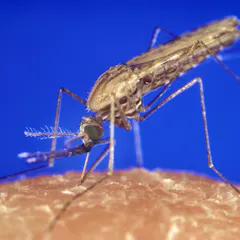
The irritating buzz that rings in your ear in the dead of the night comes from an insect barely traceable with your naked eye. Here are a few facts worth knowing about the mosquito.
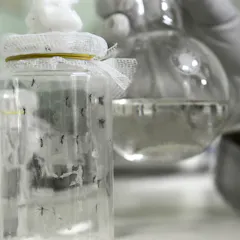
Across the world scientists are trying to find a new drug that the malaria carrying parasite will struggle to develop a resistance to.
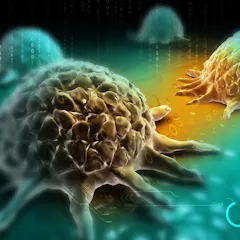
Targeting the complex sugars on cancer cells is receiving renewed attention.
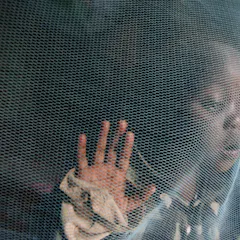
Several countries within southern Africa are on the brink of eliminating malaria. But there are several challenges ahead.
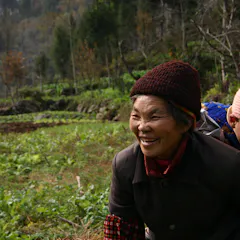
Tu Youyou sifted through 2,000 ancient herbal remedies to develop a drug that now treats hundreds of millions of people a year.
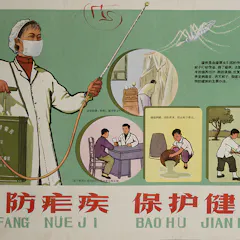
The 2015 Nobel Prize for Medicine went partly for research done during the Chinese Cultural Revolution based on traditional Chinese medicine. Here’s the story of Project 523.
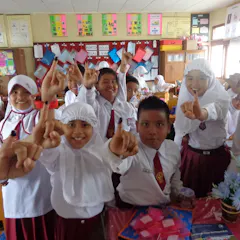
The 2015 Nobel Prize in medicine went to research on remedies derived from natural compounds. Academia is continuing the fight against ‘neglected’ diseases by similarly hunting for new drugs in nature.
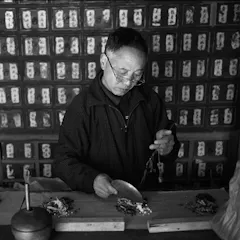
The first Chinese Nobel Prize in medicine was awarded for work based on traditional Chinese medicine. Will traditional medical knowledge now share the spotlight with evidence-based medicine?
Top contributors
-

Principal Medical Scientist and Head of Laboratory for Antimalarial Resistance Monitoring and Malaria Operational Research, National Institute for Communicable Diseases
-
Medical scientist, National Institute for Communicable Diseases
-
Medical Entomologist at the School of Biological Sciences, University of Nairobi
-
UP ISMC: Project Manager and Coordinator, University of Pretoria
-
Director: UP Institute for Sustainable Malaria Control, University of Pretoria
-
Chief Research Officer, Kenya Medical Research Institute
-
Director of the Jenner Institute, University of Oxford
-
Director of Science, Ifakara Health Institute
-
Project Manager, Cambridge Africa, Anglia Ruskin University
-
Professor of Molecular Parasitology and Medicine, St George's, University of London
-
Clinical Associate Professor, School of Medical Science & Sydney Infectious Diseases Institute; Principal Hospital Scientist, University of Sydney
-
Board Certified Internal Medicine Physician and Public Health Scientist, MidMichigan Health, University of Michigan
-
Director and CEO, Burnet Institute
-
Co-Director, Institute of Infection, Chair, Immunology & Vaccinology, Imperial College London
-
Scientist, International Centre of Insect Physiology and Ecology