
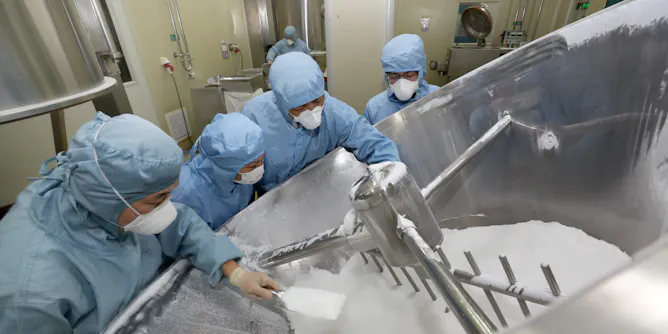
To battle the coronavirus, strong regulatory protection from the FDA is essential.
Articles on Malaria
Displaying 121 - 140 of 290 articles
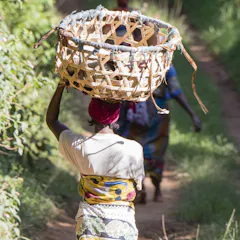
Women must be included at decision making levels to advise on development, designing, delivery and implementation of tools that target health issues that affect them especially malaria.

In some communities, over a quarter of the children were misclassified as iron replete whereas they were iron deficient.
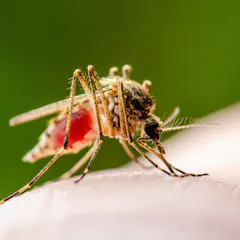
Prolonged rains increase the amount of stagnant water in the environment in which mosquitoes breed. This increases the risk of mosquito-borne diseases.
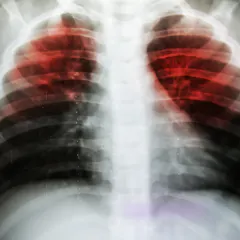
There are more effective ways to give the tuberculosis vaccine.

Bioinformatics can be applied to a range of problems, such as understanding the genome sequence of organisms or coming up with new drugs.
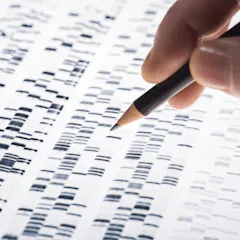
Africa is known to be where humans originated. This makes it the most genetically diverse region in the world. Diversity in other populations represents a subset of the diversity within Africa.
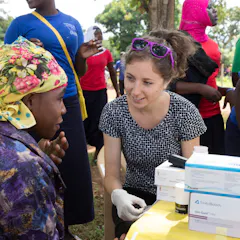
Global health researchers, funders and journals are not walking the talk on equity, diversity and inclusion.

The aim is to discover, develop and facilitate delivery of anti-malarial medicines to help tackle the burden of malaria in endemic countries and support malaria eradication.
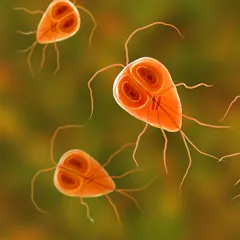
There are three classes of parasites that can cause disease in humans. Here’s what you need to know.
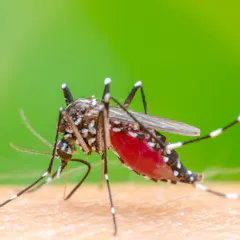
Genetically modified mosquitoes were released in Brazil in an attempt to halt the spread of dengue fever by reducing the mosquito population.
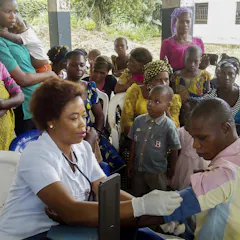
Climate change is anticipated to cause a rise in the incidence of several diseases in sub-Saharan Africa.

Water is crucial to the spread of malaria because mosquitoes breed and lay their eggs in or near bodies of water.
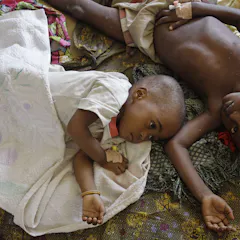
There’s a big market for new treatments for TB, malaria and other ailments. But most of these diseases afflict low-income people unable to pay for medicine.

African countries need to take into account the effects environmental changes, like climate change, have on their ability to deal with food security, poverty reduction and lowering mortality rates.
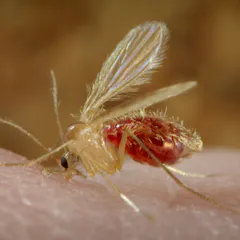
Each year 50 000 people from 89 countries, in every continent except Antarctica, die from leishmaniasis, an ancient neglected disease.
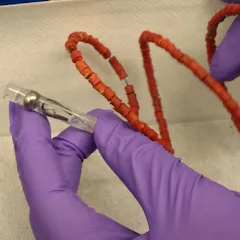
Treating infectious diseases is a huge challenge because patients often fail to take the medicine for the long duration, especially for tuberculosis. Now there’s a new device that may help.

Progress against malaria has stalled. There’s been an increase in the number of cases reported since 2015.
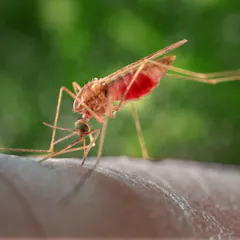
Given the high burden of malaria in sub-Saharan Africa, a partially effective vaccine is considered better than none.
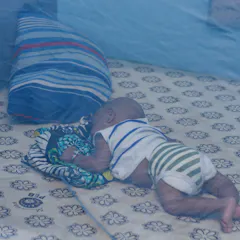
The experience from African experts is vital in the search for new and better ways to control malaria.
Top contributors
-

Principal Medical Scientist and Head of Laboratory for Antimalarial Resistance Monitoring and Malaria Operational Research, National Institute for Communicable Diseases
-
Medical scientist, National Institute for Communicable Diseases
-
Medical Entomologist at the School of Biological Sciences, University of Nairobi
-
UP ISMC: Project Manager and Coordinator, University of Pretoria
-
Director: UP Institute for Sustainable Malaria Control, University of Pretoria
-
Chief Research Officer, Kenya Medical Research Institute
-
Director of the Jenner Institute, University of Oxford
-
Director of Science, Ifakara Health Institute
-
Project Manager, Cambridge Africa, Anglia Ruskin University
-
Professor of Molecular Parasitology and Medicine, St George's, University of London
-
Clinical Associate Professor, School of Medical Science & Sydney Infectious Diseases Institute; Principal Hospital Scientist, University of Sydney
-
Board Certified Internal Medicine Physician and Public Health Scientist, MidMichigan Health, University of Michigan
-
Director and CEO, Burnet Institute
-
Co-Director, Institute of Infection, Chair, Immunology & Vaccinology, Imperial College London
-
Scientist, International Centre of Insect Physiology and Ecology