
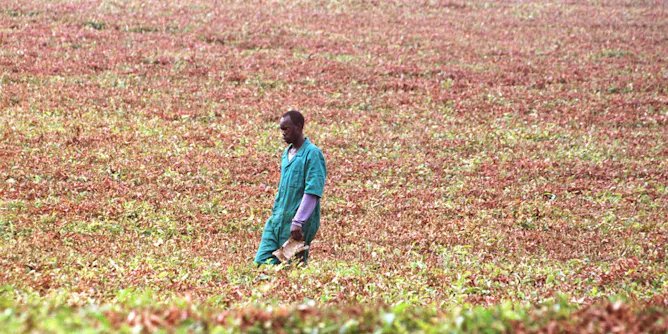
As East Africa becomes warmer, the threat of climate sensitive diseases such as malaria, Rift Valley Fever and cholera is increasing.
Articles on Malaria
Displaying 201 - 220 of 290 articles

Simple steps can lower your risk of bringing home traveller’s diarrhoea, respiratory infections and mosquito-borne diseases from your holiday.
There’s a growing body of evidence that shows we could be doing more for the close to billion children at risk of intestinal worms. We simply cannot afford to ignore it.

Doxycycline is an antibiotic drug that kills a wide, weird and wonderful range of bugs that are often difficult to treat with other antibiotics.
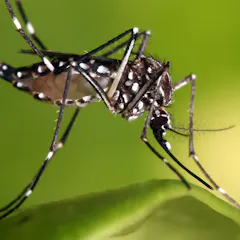
There’s a new weapon against mosquitoes that spreads diseases such as dengue and yellow fever – more mosquitoes.
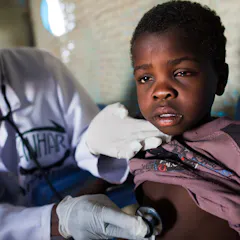
Precision public health has the potential to transform the global health sphere by ensuring that the right interventions are brought to the right people in the right places.
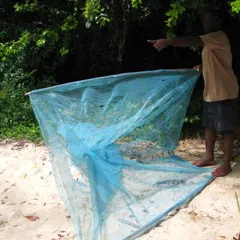
The simple use of a net intended to curb malaria by fishers has become a classic conservation problem.

The burden of communicable disease is declining in Africa and life expectancy is increasing. But non-communicable diseases like diabetes, cardiovascular disease and cancer are wreaking havoc.
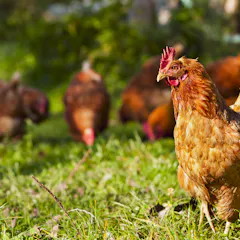
Anopheles arabiensis is the world’s most common, malaria-carrying mosquito. Now it’s emerged that chickens emit an odour that can repel the deadly insects.

With the right investment, an open source drug discovery system might compete with the traditional pharmaceutical industry to deliver the drugs we need.
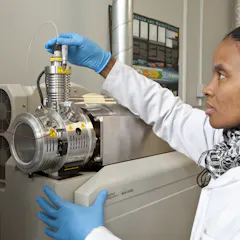
Scientists have discovered a second new compound that could eventually be developed into a medicine to help eradicate malaria.
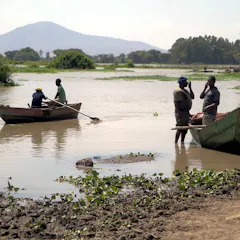
The construction of dams in Africa, in some cases, bring an unintended consequence – an increase in malaria in the surrounding areas.

Bednet insecticides should kill mosquitoes on contact, but some have become highly resistant to the chemicals.
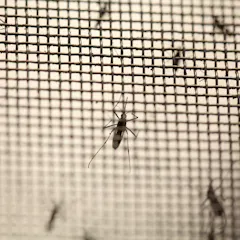
Innovations targeted at mosquito control are good but should not draw focus away from the tried and tested public health measures to control mosquito-borne diseases.

After years of complaints, will the British Army now use controversial anti-malarial as a drug of last resort?
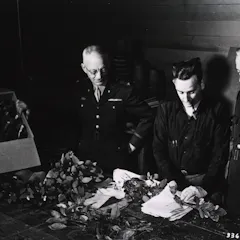
Mefloquine was one of around 250,000 chemical compounds tested for malaria-killing activity in the 1960s by the United States military who needed to protect troops from malaria in the tropics.

They not only bear the heaviest burden of malaria on the continent: Nigerians are also paying the most for services related to the disease.
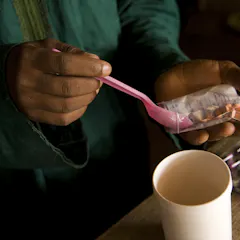
Despite tests which rapidly test for malaria being around for several years, overtreatment of malarial drugs still takes place in Africa.
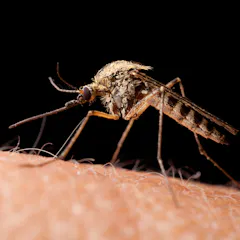
Resistance to a commonly used antimalarial medication, Atovaquone, can’t spread to the general human population, a new research found.

New initiative with old handsets halves rates of the disease in southern Tanzania – and is being applied to other conditions, too.
Top contributors
-

Principal Medical Scientist and Head of Laboratory for Antimalarial Resistance Monitoring and Malaria Operational Research, National Institute for Communicable Diseases
-
Medical scientist, National Institute for Communicable Diseases
-
Medical Entomologist at the School of Biological Sciences, University of Nairobi
-
UP ISMC: Project Manager and Coordinator, University of Pretoria
-
Director: UP Institute for Sustainable Malaria Control, University of Pretoria
-
Chief Research Officer, Kenya Medical Research Institute
-
Director of the Jenner Institute, University of Oxford
-
Director of Science, Ifakara Health Institute
-
Project Manager, Cambridge Africa, Anglia Ruskin University
-
Professor of Molecular Parasitology and Medicine, St George's, University of London
-
Clinical Associate Professor, School of Medical Science & Sydney Infectious Diseases Institute; Principal Hospital Scientist, University of Sydney
-
Board Certified Internal Medicine Physician and Public Health Scientist, MidMichigan Health, University of Michigan
-
Director and CEO, Burnet Institute
-
Co-Director, Institute of Infection, Chair, Immunology & Vaccinology, Imperial College London
-
Scientist, International Centre of Insect Physiology and Ecology