
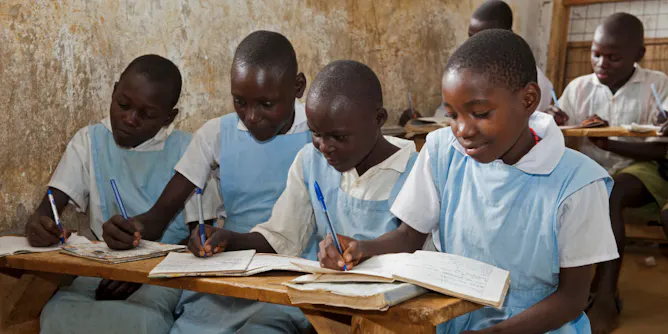
In Kenyan classrooms, it’s not always practically possible for teachers to follow the recommended approach.
Articles on Learning
Displaying 1 - 20 of 407 articles
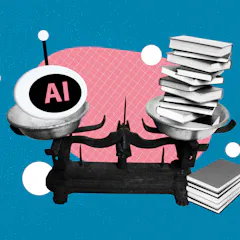
Understanding the technological shift from a literary to a post-literary society is crucial for rethinking AI’s place in learning environments.

Filling every spare moment with a podcast, message or social-media scroll may deny the brain a useful window for consolidating new memories.

Bacteria use strategies similar to artificial neural networks to use the past to adapt to the future.

High school and uni students may wonder how best to prepare for upcoming exams. Here’s how they can use their time wisely.
In a case study, parents responded positively to their children being taught science in two languages.

New research shows that YouTube is used not just as an occasional supplement, but as a staple of classroom instruction.
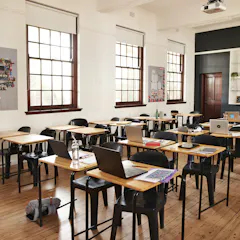
Rather than considering how much time students spend on screens, the more useful question is whether they are asking questions and solving problems with the help of technology.
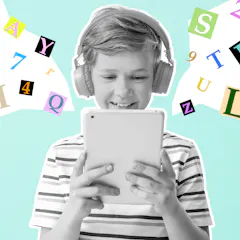
Listening to stories can remove the ‘decoding’ process that dyslexia sufferers struggle with.

A little boredom can be good for you.

Playing improv music activates the reward system of the brain.
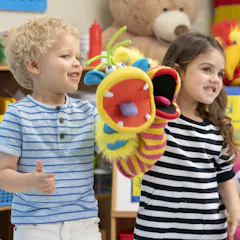
Play-based early childhood programs can help young kids develop emotional regulation and problem-solving skills, traits that can serve them well throughout childhood.

A rising number of school districts across the country are beginning their new academic years in July or August, raising the likelihood that kids and educators will encounter scorching days.
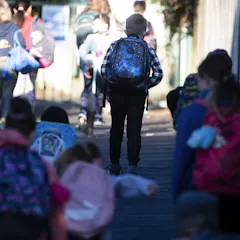
New attendance targets focus on getting children into class. But evidence suggests understanding why they are absent is the more important question.

Home languages can help children learn English and become stronger readers.
As schools consider AI guidelines, educators are also thinking about how they can adjust their assignments to accurately measure what students are actually learning.

Every day in class, students are encouraged to ‘visualise’, ‘imagine’ or ‘picture’ concepts in their minds. Some find this impossible.
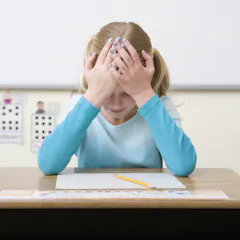
A study tracking nearly 4,000 NZ children finds that, by eroding self-belief, adversity can leave them feeling less connected to school.

If students choose to listen to music while studying, they should consider music that is less distracting – and save high-energy playlists for when they don’t need to focus.

AI schools try to tailor learning to match students’ abilities. But they can’t help young people learn who they are.
Top contributors
-

Professor of Reading and Children’s Development, The Open University
-
Professor of Higher Education, Rhodes University, South Africa, Rhodes University
-
Research Scientist, African Population and Health Research Center
-
Director of the Learning, Instruction & Technology Lab and Professor of Educational Psychology, School of Education, The University of Queensland
-
Scientia Professor and Professor of Educational Psychology, UNSW
-
Deputy Director, ARC Centre of Excellence in Cognition and its Disorders, Macquarie University
-
Professor, Melbourne Graduate School of Education, The University of Melbourne
-
Professor of Early Childhood Studies, The University of Melbourne
-
Professor Emeritus, Swinburne University of Technology
-
Senior Lecturer, School of Education, Macquarie University
-
Professor of Education, Durham University
-
Associate Professor of Education, Charles Sturt University
-
Campus and Secondary Principal at the International School of Geneva's La Grande Boissière, Research Associate at the University of Geneva's department of Education and Psychology, Université de Genève, Université de Genève
-
Senior Lecturer (Adjunct), Nutritional neuroscientist, Adelaide University
-
Senior Lecturer in Education, Queensland University of Technology