

The ways eastern fence lizards have changed in response to red imported fire ants demonstrate how species can adapt to survive the presence of invasive predators.
Articles on Invasive species
Displaying 121 - 140 of 382 articles
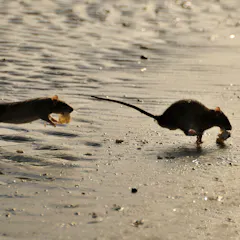
Rats are disrupting the flow of nutrients towards the sea on many tropical islands – this has consequences for fish behaviour and the wider ecosystem.
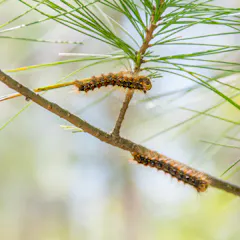
Creating and preserving diverse forests can help us prepare for the next insect outbreak and protect our trees.

Scientists have found more ‘alien species’ today in regions that were once key parts of European empires.
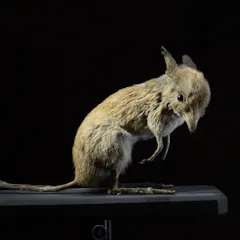
38 mammals have been driven to extinction since colonisation, and many more are close to joining them. We have the solutions at hand, but warnings continue to be met with mediocre responses.
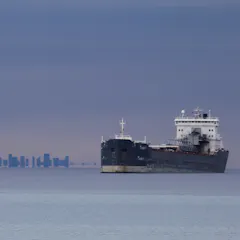
Ballast water release from ocean vessels has been a major source of invasive species in the Great Lakes for over 60 years.

New research has found that since the mid-1980s, the economic impact of invasive reptiles and amphibians totals more than US$17 billion.
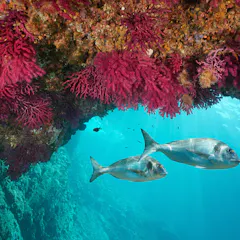
While official data is yet to be released, this year’s Mediterranean marine heatwave will likely have devastating ecological consequences.
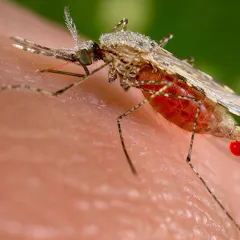
The spread of this urban malaria vector species threatens the gains made against malaria and the achievement of malaria elimination.
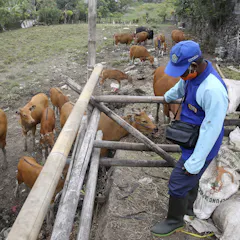
Indonesia’s foot-and-mouth outbreak shouldn’t come as a surprise. It’s been decades in the making – just the latest consequence of biosecurity shortcomings in the region.
Wetlands can help limit the spread of the voracious round goby, an invasive species that has infiltrated the Great Lakes and has become widespread in the St. Lawrence River.
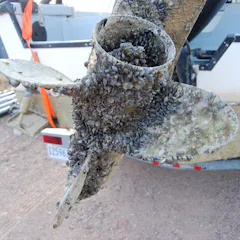
Zebra and quagga mussels entered the Great Lakes in large ships’ ballast water. Now, local boaters and anglers are spreading them into the southern and western US.
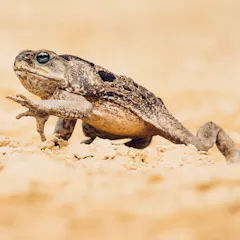
The simulation showed catching cane toads once a week involved 85% less cost and effort than other strategies, but was just as effective.

Trees were already known for cooling and cleaning the air of cities. A Europe-wide, participative science project shows how much their density matters for urban biodiversity.

Once hated, native predators are now credited with limiting invasive prey populations.
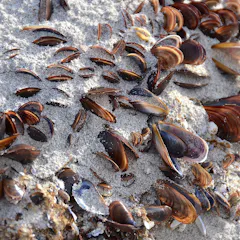
A changing climate will make it difficult to anticipate and prevent invasions.
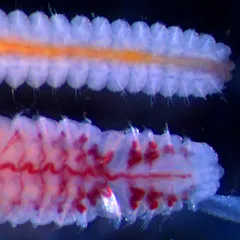
Correctly identifying species is essential for effective management and conservation.
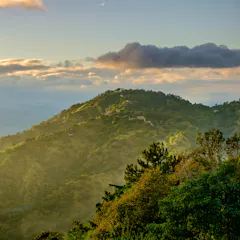
An invasive Australian tree is exploiting ever-stronger hurricanes.
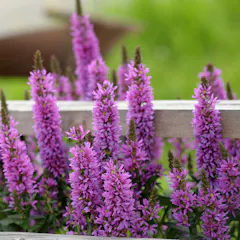
Evolution by natural selection is a potent agent of change, allowing species to adapt to new and changing environments. But is it sustainable?
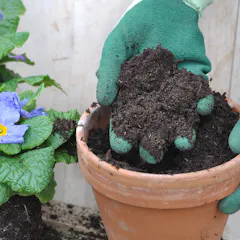
Potting soils are helping plant seeds travel. Is it benign or harmful?
Top contributors
-

Professor in Wildlife Ecology and Conservation, School of Life & Environmental Sciences, Deakin University
-
Honorary Research Fellow, University of Sydney
-
Professor in Terrestrial Ecology, Deakin University
-
Professor in Evolutionary Biology, Macquarie University
-
Professor of Wildlife Conservation, University of Tasmania
-
Professor Emeritus in Terrestrial Ecology, University of Sydney
-
Professor in Environmental Science, Charles Darwin University
-
Professeur, UMR ISYEB (Institut de Systématique, Évolution, Biodiversité), Muséum national d’histoire naturelle (MNHN)
-
Director of the Wildlife Crime Research Hub, Australian Research Council Industry Laureate Fellow, Adelaide University
-
Professor of Conservation Biology, Charles Darwin University
-
Associate Professor, Global Ecology, University of Sydney
-
Research Director CSIRO Health & Biosecurity, CSIRO
-
Professor in Zoology, James Cook University
-
Lecturer in the School of Applied Sciences, Edinburgh Napier University
-
Adjunct Professor, The University of Western Australia