
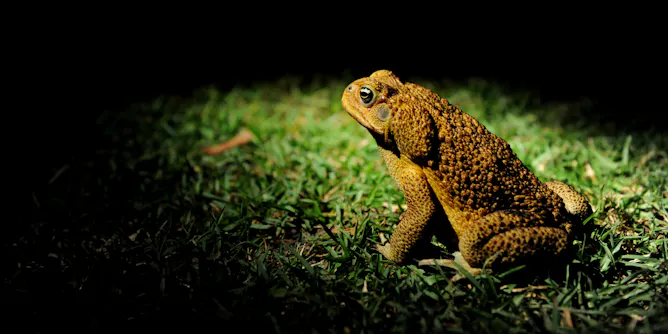
Without urgent action, Australia will continue to lose billions of dollars every year on invasive species.
Articles on Invasive species
Displaying 161 - 180 of 382 articles
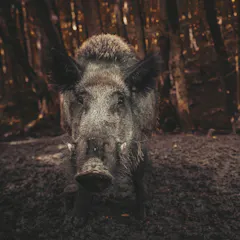
Wild pigs are on every continent, except Antarctica. All up, they likely turn over the the same amount of soil as the area of Taiwan.

Australia’s invasive cane toads may be out-evolving their lungworm parasites.

Climate change is causing jacarandas to flower earlier. If this trend continues, they could be at risk of flowering when it’s too cold and become dormant.
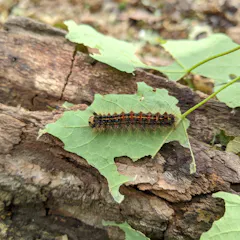
The caterpillar, Lymantria dispar, has eaten through 17,000 square kilometres of trees since the 1980s. The invasive insect was imported in the 1880s to launch a North American silk industry.
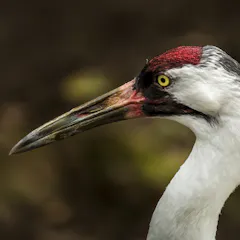
A bewildering array of laws and regulations cover species and ecosystems in Canada, making their protection inadequate.
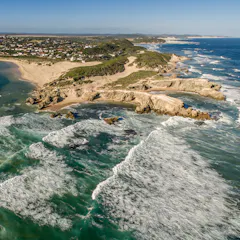
A greater understanding of interconnectedness created by river maps could influence people to become more engaged with conserving river systems.
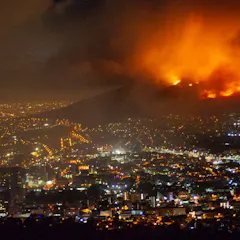
The fynbos vegetation that historically clothed the slopes of Table Mountain is highly inflammable. This has been worsened by the spread of alien trees that burn more intensely than the fynbos.

Technology that can identify stray bits of genetic material in the environment can help scientists monitor human and animal health.
Yellow crazy ants are one of the world’s worst invasive species. And it turns out they have unique systems of reproduction that make life in the queendom more complicated than we realised.
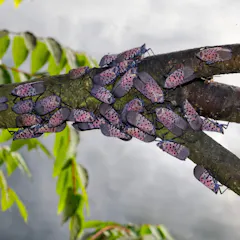
Invasive species have been invading foreign territories for centuries. By quantifying the mammoth economic impacts, we hope political leaders will start to take notice.

Plus a new technique to protect birds from predators – using fake smells. Listen to episode 10 of The Conversation Weekly podcast.
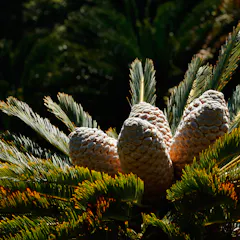
Most South African provinces are favourable for the establishment of a new invasive alien pest, which may lead to the extinction of native cycad species.
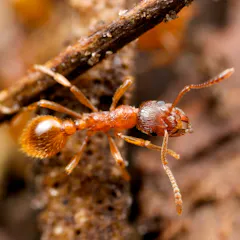
Animals that are traded as pets are more likely to be invasive species, including a relatively new pet: ants.

The Mediterranean region, with its biodiversity, climate, demographics, and economic activities such as tourism, agriculture and fisheries, is particularly vulnerable to environmental risks.
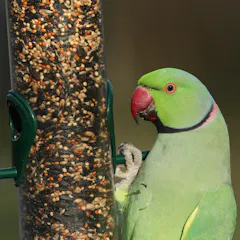
Let’s embrace the possibilities of hybrid ecosystems.
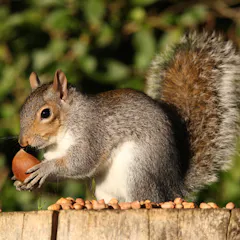
Squirrel feeders laced with contraceptives could be used to suppress grey squirrels in the UK.
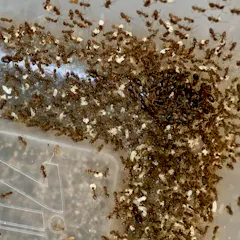
The spread of tawny crazy ants may be driven, in part, by their need for calcium. The calcium-rich limestone bedrock of the lower U.S. Midwest may provide ideal conditions for populations to explode.
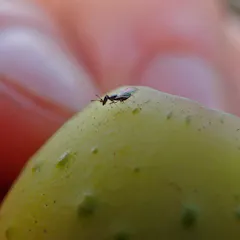
As invasive species transform the world, frontline agencies take solace that species needing unique partners can’t invade alone. A new study on figs shows they may find new partners to invade anyway.
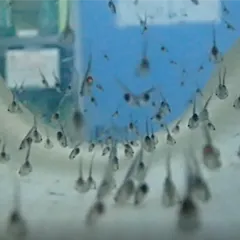
Tadpoles at the edge of the population are no more vulnerable than those at the centre.
Top contributors
-

Professor in Wildlife Ecology and Conservation, School of Life & Environmental Sciences, Deakin University
-
Honorary Research Fellow, University of Sydney
-
Professor in Terrestrial Ecology, Deakin University
-
Professor in Evolutionary Biology, Macquarie University
-
Professor of Wildlife Conservation, University of Tasmania
-
Professor Emeritus in Terrestrial Ecology, University of Sydney
-
Professor in Environmental Science, Charles Darwin University
-
Professeur, UMR ISYEB (Institut de Systématique, Évolution, Biodiversité), Muséum national d’histoire naturelle (MNHN)
-
Director of the Wildlife Crime Research Hub, Australian Research Council Industry Laureate Fellow, Adelaide University
-
Professor of Conservation Biology, Charles Darwin University
-
Associate Professor, Global Ecology, University of Sydney
-
Research Director CSIRO Health & Biosecurity, CSIRO
-
Professor in Zoology, James Cook University
-
Lecturer in the School of Applied Sciences, Edinburgh Napier University
-
Adjunct Professor, The University of Western Australia