
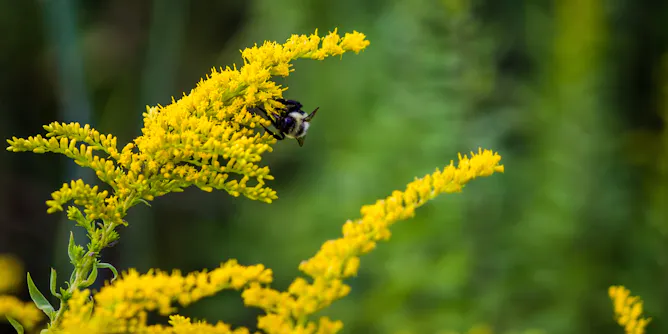
Our study is the first to research the impact of online misinformation on biological invasions.
Articles on Invasive species
Displaying 181 - 200 of 382 articles
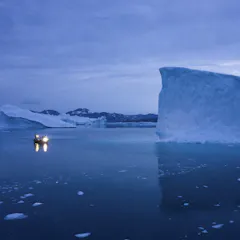
The Arctic has been a remote place for much of its history. But climate change is bringing global problems and opportunities to its door.

Researchers have come up with a new framework that assigns an invasive species threat score to World Heritage Sites. This will improve how these species monitored and managed.
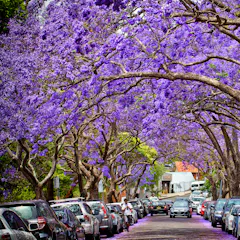
Over spring and early summer, jacarandas and their purple haze line many Australian streets. But how much do you really know about them?
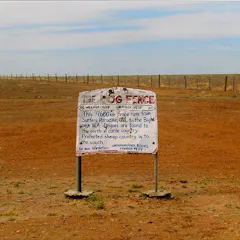
Millions of miles of fences crisscross the Earth’s surface. They divide ecosystems and affect wild species in ways that often are harmful, but are virtually unstudied.
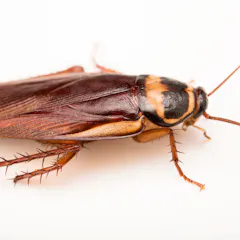
The reality TV show I’m a Celebrity, Get Me Out Of Here is under fire for using non-native insects while filming in the Welsh countryside.
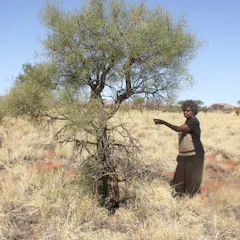
Buffel grass causes just as much damage to native wildlife as feral cats. But with the right control measures, biodiversity can bounce back.
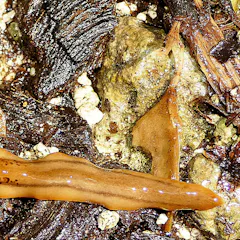
Several species of flatworms have invaded the West Indies, and some are spectacular. We take stock of the situation with a study published at the same time as this article.

A new study examines the diet of an invasive population of guttural toads in Mauritius and finds a number of species of conservation concern.
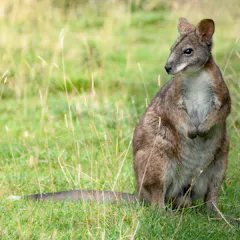
First imported by zoos, wallabies proved to be adept escape artists that can survive in the British countryside.
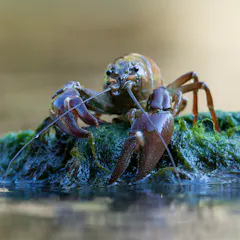
We found that signal crayfish traps tend to catch larger males, letting the bulk of the population go free.
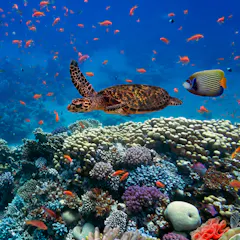
The world missed all 20 targets for stemming the tide of biodiversity loss. But there has been some progress over the last decade.

Compassionate conservationists believe no animal should be killed in the name of conservation. This idea is a death knell for Australia’s native species.
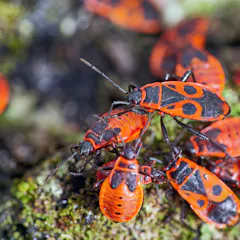
Entomologists worried about invasive pests have thousands of curious community scientists posting their findings online — and identifying new species.
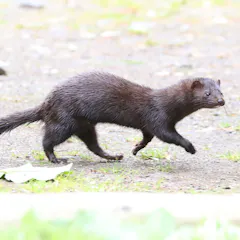
Our research investigated 900 ‘alien’ species across almost 200,000 protected areas worldwide.
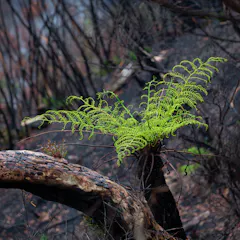
New Zealand is pumping millions of dollars into environment projects as part of its COVID-19 recovery. Australia’s recovery plan seems more destructive than reconstructive.
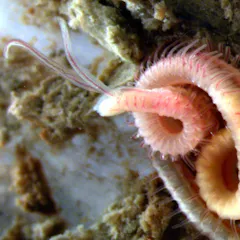
Mud blister worms make their homes in the shells of oysters and other shellfish, where they weaken their hosts.
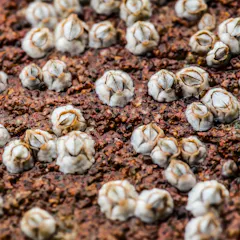
Barnacles are an invasive species, carried worldwide along shipping routes. But Japan has a local solution: predatory and herbivorous snails feed on the barnacles and limit their spread.
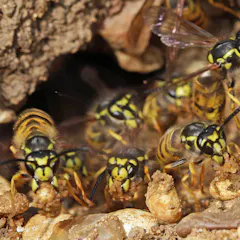
The invasive species was likely brought to Australia unintentionally by ship. Now found in every state and territory, the wasps are decimating our ecosystems.
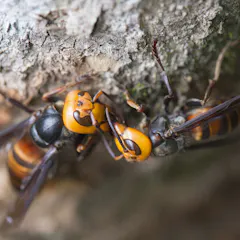
Asian giant hornets have received plenty of media attention recently. The only tangible threat they pose is to honey bees, which has nothing to do with the hornets — and everything to do with us.
Top contributors
-

Professor in Wildlife Ecology and Conservation, School of Life & Environmental Sciences, Deakin University
-
Honorary Research Fellow, University of Sydney
-
Professor in Terrestrial Ecology, Deakin University
-
Professor in Evolutionary Biology, Macquarie University
-
Professor of Wildlife Conservation, University of Tasmania
-
Professor Emeritus in Terrestrial Ecology, University of Sydney
-
Professor in Environmental Science, Charles Darwin University
-
Professeur, UMR ISYEB (Institut de Systématique, Évolution, Biodiversité), Muséum national d’histoire naturelle (MNHN)
-
Director of the Wildlife Crime Research Hub, Australian Research Council Industry Laureate Fellow, Adelaide University
-
Professor of Conservation Biology, Charles Darwin University
-
Associate Professor, Global Ecology, University of Sydney
-
Research Director CSIRO Health & Biosecurity, CSIRO
-
Professor in Zoology, James Cook University
-
Lecturer in the School of Applied Sciences, Edinburgh Napier University
-
Adjunct Professor, The University of Western Australia