
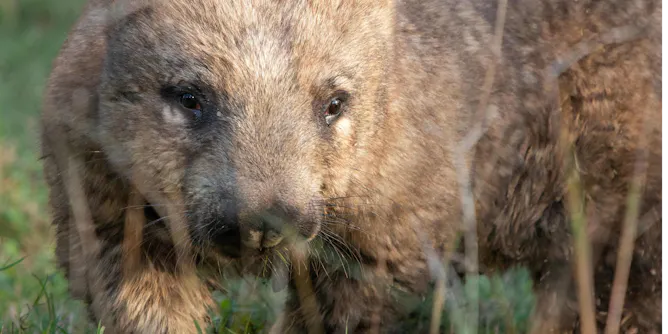
Native wombats and invasive rabbits are important to Australian ecosystems, but how do you work out where they live? That’s where satellite photos come in.
Articles on Invasive species
Displaying 41 - 60 of 382 articles

This species could be the poster child for conservation on a warming planet.
Researchers have identified a series of risks linked to the ornamental plant trade.

Understanding the number and origin of animals entering a country is important to control the health and ecological problems imported wildlife can bring.
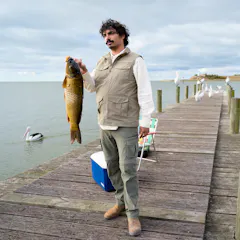
New ABC series Eat the Invaders asks should invasive species be on our dinner plate – and what does it taste like?
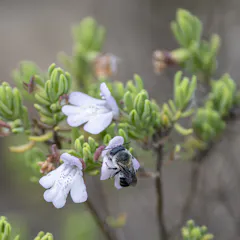
The future of scrub mints could be in jeopardy because of climate change, development and misclassification.
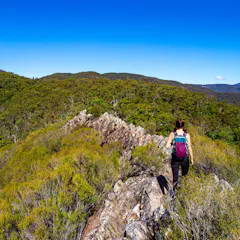
Amidst habitat destruction and ecological grief, let’s make a New Year’s resolution for nature — to care for beetles and butterflies, rainforests and reefs, ourselves, and future generations.
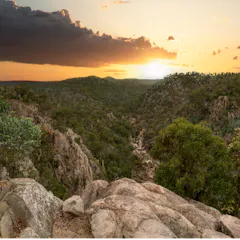
Many ecosystems face multiple serious threats. Recovery will be complex and difficult – but not impossible.
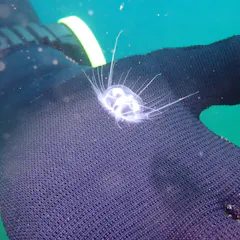
Freshwater jellyfish are growing in abundance in Canadian lakes and rivers. The reasons are complex but climate change is the primary culprit.

The invasive spiny water flea is spreading fast across Canada. Awareness is key to curtailing its growth.
The promising compounda were discovered on an organic farm.
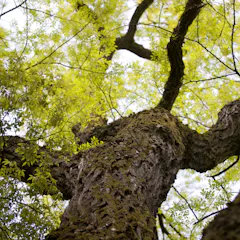
Invasive species are not always harmful; some can even provide key benefits to native habitats in an era of climate change. Canadian conservation efforts should embrace the movement of species.
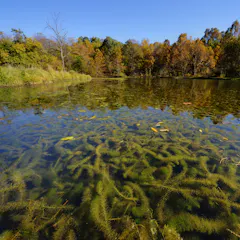
Freshwater ecosystems in Canada, and around the world, are more fragile than they look and vulnerable to invasive species. Canada’s lakes and rivers require constant vigilance to protect from invasion.
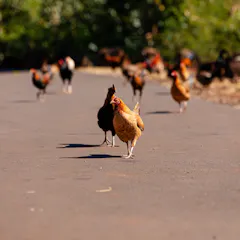
Wherever humans set foot, they bring with them invasive exotic species. Some animals and plants that are particularly useful to humans are now found all around the globe.

New research shows how marine debris from continents across the southern hemisphere threatens Antarctica’s remote coastline and unique marine ecosystems. Foreign organisms might be hitching a ride.
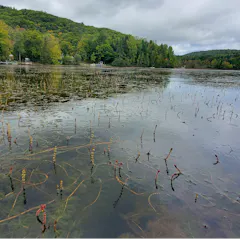
The fight against Eurasian watermilfoil, an invasive aquatic plant in North American lakes, can be long and expensive, so must be carefully planned.
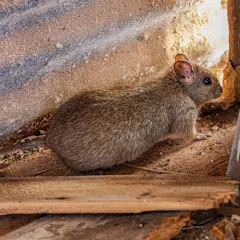
An endangered rodent and a thorny, impenetrable weed doesn’t sound like a good match. But stick-nest rats have made homes out of African boxthorn

With the help of citizen scientists, South African entomologists can work to keep invasive wasp populations from spreading.
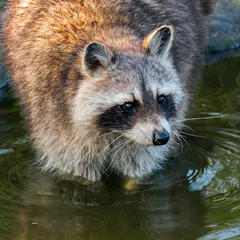
The number of non-native species in Europe will grow by as much as 64% by 2050.
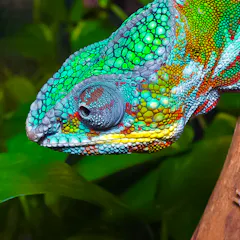
Invasive alien species become much harder and more expensive to manage as they establish and spread through the landscape. So preventing their arrival is vital.
Top contributors
-

Professor in Wildlife Ecology and Conservation, School of Life & Environmental Sciences, Deakin University
-
Honorary Research Fellow, University of Sydney
-
Professor in Terrestrial Ecology, Deakin University
-
Professor in Evolutionary Biology, Macquarie University
-
Professor of Wildlife Conservation, University of Tasmania
-
Professor Emeritus in Terrestrial Ecology, University of Sydney
-
Professor in Environmental Science, Charles Darwin University
-
Professeur, UMR ISYEB (Institut de Systématique, Évolution, Biodiversité), Muséum national d’histoire naturelle (MNHN)
-
Director of the Wildlife Crime Research Hub, Australian Research Council Industry Laureate Fellow, Adelaide University
-
Professor of Conservation Biology, Charles Darwin University
-
Associate Professor, Global Ecology, University of Sydney
-
Research Director CSIRO Health & Biosecurity, CSIRO
-
Professor in Zoology, James Cook University
-
Lecturer in the School of Applied Sciences, Edinburgh Napier University
-
Adjunct Professor, The University of Western Australia