
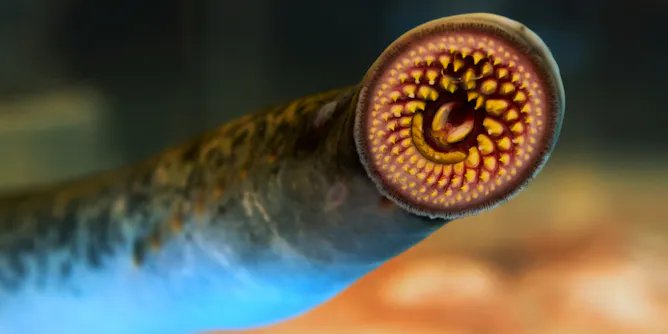
When sea lampreys gained a foothold in the Great Lakes in the 1950s, these trout-sucking predators upended the ecosystem.
Articles on Invasive species
Displaying 201 - 220 of 382 articles
Are ‘murder hornets’ from Asia invading North America? A Japanese entomologist who’s been stung by one and lived to tell the tale explains what’s true about these predatory insects.
The African clawed frog is a notorious invader but it also takes some parasites with it to new regions.
Where pine martens have recovered, red squirrels have tended to benefit while grey squirrels have declined. Scientists weren’t sure why – until now.
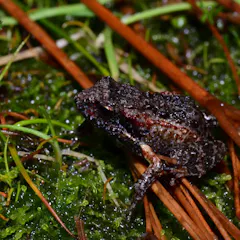
CC BY-NC-ND5.67 MB (download)
Acoustic monitoring is ideal for tracking the abundance of a species over time, because it has minimal impact on the species being monitored.
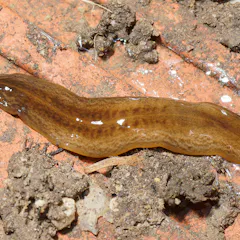
The predatory flatworm Obama nungara travelled in potted plants from Argentina to Europe, where it’s distrupting soil ecosystems. Now, citizen-scientists are helping map their distribution.
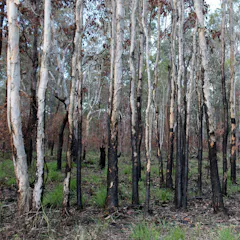
Weeds can play an important role supporting ecosystem recovery after fire.
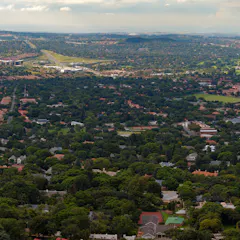
A tree-killing beetle that invaded South Africa two years ago and wreaked havoc in the country’s towns and cities still hasn’t been declared an emergency plant pest.
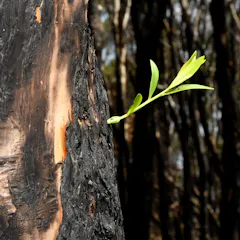
By all means, rescue an injured koala. But by pulling out weeds after the fires, you could also help rescue a whole ecosystem.
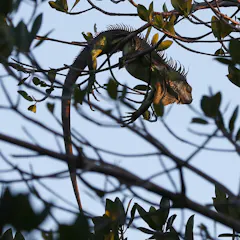
Green iguanas are an invasive species that seem to be spreading and proliferating in Florida. Used to warmer temps, they switch into torpor mode when the mercury drops.
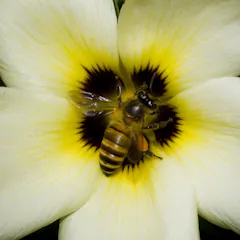
Bees innocuously buzzing ‘round the birdbath may be a barometer for burgeoning bee invasions.
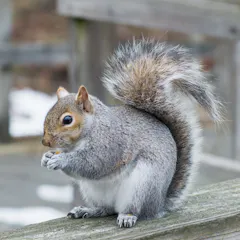
If harm to native wildlife is the main concern then there are much bigger targets for control than grey squirrels.
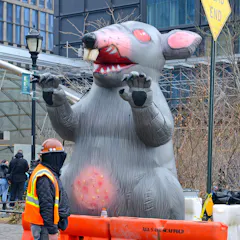
Cities often embark upon drastic and expensive eradication campaigns designed to rapidly rid the city of pests like rats. But are the surviving rats stronger or weaker than before?
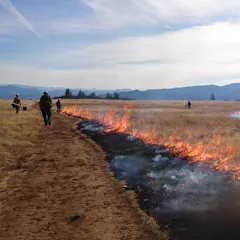
Along with climate change and drought, invasive grasses are promoting wildfires across the US, even in areas that don’t normally burn.

BRICS member countries can help global efforts to manage invasive species.
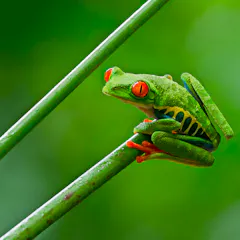
People sometimes release pets into the wild, resulting in biological invasions.
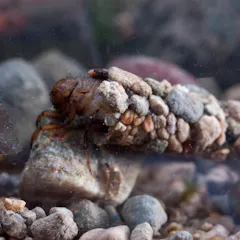
Rivers are shaped by storms, floods, humans and… aquatic invertebrates.
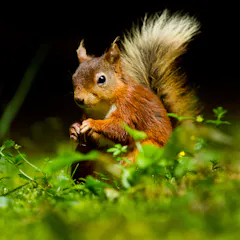
Major new ‘State of Nature’ report shows wildlife numbers still falling but conservation measures can work.

When neatly dissected cane toad corpses began turning up next to a creek in the Kimberley, scientists went on the hunt for the clever killer.
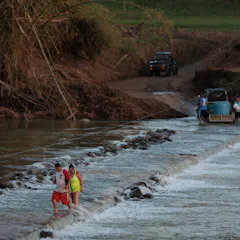
Big storms with lots of flooding, like hurricanes Dorian and Maria, actually restore the Caribbean’s delicate balance between native and nonnative fish species, new research finds.
Top contributors
-

Professor in Wildlife Ecology and Conservation, School of Life & Environmental Sciences, Deakin University
-
Honorary Research Fellow, University of Sydney
-
Professor in Terrestrial Ecology, Deakin University
-
Professor in Evolutionary Biology, Macquarie University
-
Professor of Wildlife Conservation, University of Tasmania
-
Professor Emeritus in Terrestrial Ecology, University of Sydney
-
Professor in Environmental Science, Charles Darwin University
-
Professeur, UMR ISYEB (Institut de Systématique, Évolution, Biodiversité), Muséum national d’histoire naturelle (MNHN)
-
Director of the Wildlife Crime Research Hub, Australian Research Council Industry Laureate Fellow, Adelaide University
-
Professor of Conservation Biology, Charles Darwin University
-
Associate Professor, Global Ecology, University of Sydney
-
Research Director CSIRO Health & Biosecurity, CSIRO
-
Professor in Zoology, James Cook University
-
Lecturer in the School of Applied Sciences, Edinburgh Napier University
-
Adjunct Professor, The University of Western Australia