
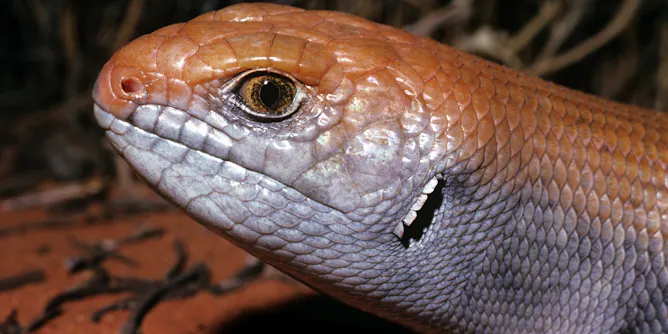
Fenced-off safe havens and islands free from cats and foxes have given endangered mammals breathing space. But they’re not yet helping many other groups of animals.
Articles on Introduced species
Displaying 1 - 20 of 51 articles
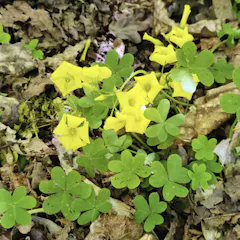
When it comes to a battle of persistence between a weed and a human, the weed will win most of the time. That is one of the things that makes a weed a weed.
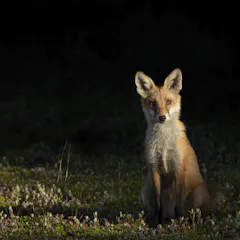
Decades of evidence link foxes and feral cats with extinctions of Australian mammals. Claims these introduced predators aren’t responsible don’t stack up.
The mysteries of Easter Island, subjects of speculation for centuries, yield to scientific inquiry.

A fossil discovery of an ancient relative of the Australian magpie which lived in New Zealand some 19 million years ago challenges the understanding of ‘native’ species.
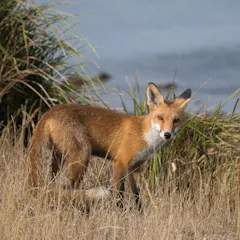
Dozens of Australian mammal species have declined and gone extinct since European colonisation – and introduced predators are often blamed. But evidence is lacking.

Biosecurity policies may seem onerous and expensive – but they are working to prevent new species from pushing native species out in the Antarctic.

This species could be the poster child for conservation on a warming planet.
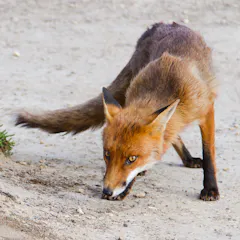
Even though 1080 is derived from native plants, not all of Australia’s native species are resistant to this lethal poison.
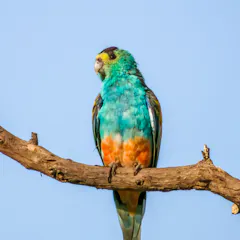
This new research estimates the price and benefits of recovering threatened species – and offers cost-effective ways for environment groups, farmers, governments and others to make a difference.

Bushwalkers with smartphones could help scientists track a fungus lethal to many of Australia’s most loved trees.

We analysed photos of predators and prey from 3,667 camera traps in southwest Victoria. We found feral cats were more abundant and behaved differently in areas where foxes were baited.
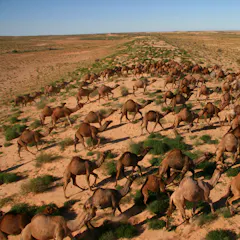
Introduced water buffalo and camels trash native plants – don’t they? Our research shows megafauna herbivores have the same impact wherever they are.
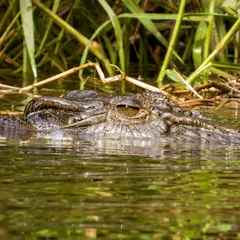
Invasive species such as deer, pigs and rabbits might help boost native predator populations.
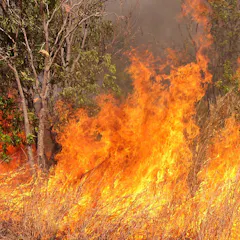
Grassfires are normal in central and northern Australia. But fast-growing invasive grasses are supercharging grassfires – and this summer looks like it will be big.
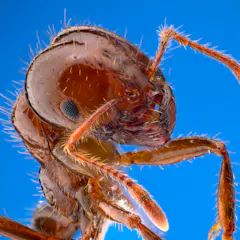
Australia’s biosecurity system is on high alert for alien invaders. Here’s a hit list of eight baddies we believe pose the greatest threat to Australia’s biodiversity.

Introduced species and diseases can drive native species into smaller environmental niches – and that could mean change to how we work to conserve them.

Whether riding on the feathers of birds or evolving on Gondwana, Australia’s plants got here in very different ways
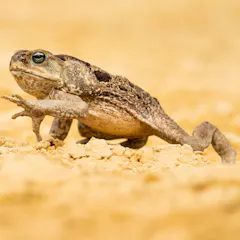
Enormous cane toads in Australia are not new – but we might see even larger ones as predators figure out how to eat these introduced toxic toads.
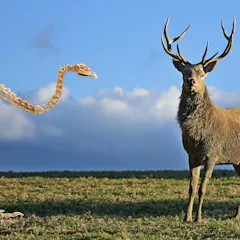
Claims that introduced deer perform the same ecological function as ancient moa are outdated and wrong. Deer destroy forests, and large-scale culling is still the best solution.
Top contributors
-

Professor in Wildlife Ecology and Conservation, School of Life & Environmental Sciences, Deakin University
-
Professor of Conservation Biology, Charles Darwin University
-
Professor of Conservation Biology, School of Life and Environmental Sciences, University of Sydney
-
Professor of Wildlife Conservation, Australian National University
-
Professor of Conservation and Sustainable Livelihoods, Charles Darwin University
-
Postdoctoral Fellow in Ecology, University of Alberta
-
Senior Research Associate, School of Agriculture, Food and Ecosystem Sciences, The University of Melbourne
-
Professor of Conservation Biology, UNSW
-
Professor of Ecology, Charles Darwin University
-
Professor in Terrestrial Ecology, Deakin University
-
Ph.D. student, University of Sydney
-
Lecturer in Ecology, University of New England
-
University Fellow in Biodiversity, Charles Darwin University
-
Associate Professor, Global Ecology, University of Sydney
-
ARC Future Fellow, Fenner School of Environment and Society, Australian National University