
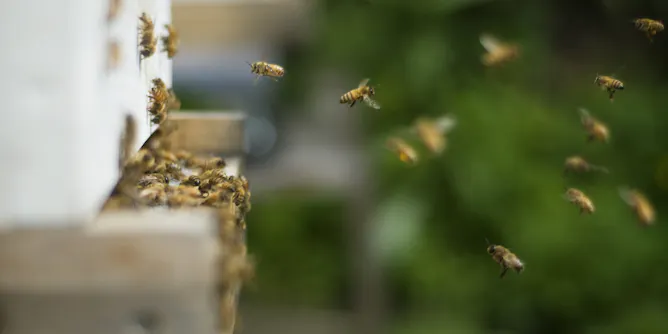
New research suggests individual bees are born with one of two learning styles – either curious or focused. Their genetic tendency has implications for how the hive works together.
Articles on Insects
Displaying 301 - 320 of 537 articles
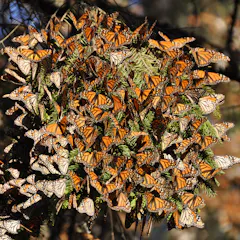
Can a plan that brings together government and private landowners create enough habitat for monarch butterflies?
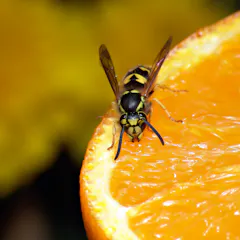
Finally we have a word to describe why wasps bother you in late summer: furlough.
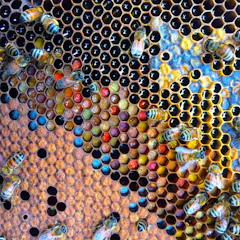
A single colony of bees can have 60,000 bees in it. Together, they can visit up to 50 million flowers each day to collect pollen and nectar. They’re not called ‘busy bees’ for nothing!

Life in a honey bee hive is all about cooperating for the collective good.
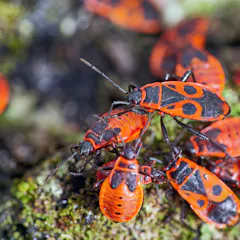
Entomologists worried about invasive pests have thousands of curious community scientists posting their findings online — and identifying new species.

Honey bees in the most polluted parts of an Indian city were more likely to die sooner and showed clear signs of poor health.

Recent reports of dramatic declines in insect populations have sparked concern about an ‘insect apocalypse.’ But a new analysis of data from sites across North America suggests the case isn’t proven.
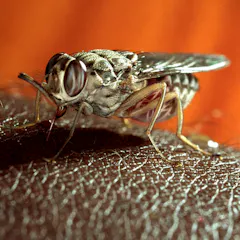
This insect’s unique reproductive biology could lead to new ways to control the species in the environment – and prevent the deadly sleeping sickness it spreads to people.

Urban green spaces can be a rich habitat for diverse pollinators, if they’re managed properly.
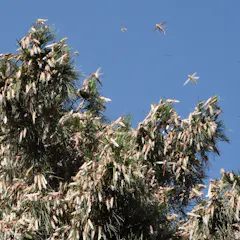
Gene drive guarantees that a trait will be passed to the next generation. But should society use this tool to control insect populations?
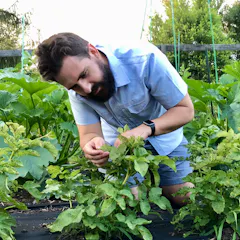
The COVID-19 pandemic has boosted interest in home gardening. Three scientists who garden explain some basic methods for controlling common insects and microbes that can spoil your crop.
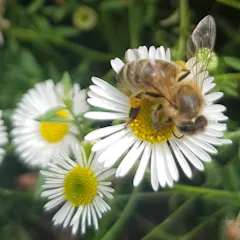
Past research has shown honeybees can add, subtract and even understand ‘zero’. But according to new findings, they can’t tell four flowers from five in natural settings.
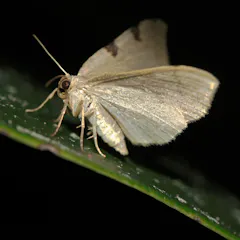
New research sheds light on the unsung heroes of pollination.

Victory gardens were popular during wartime, and have made a comeback during the current pandemic.
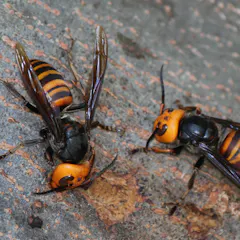
Are ‘murder hornets’ from Asia invading North America? A Japanese entomologist who’s been stung by one and lived to tell the tale explains what’s true about these predatory insects.
Pests can cause sudden and significant damage to homegrown food, but a little planning and intervention can help you cut your losses.
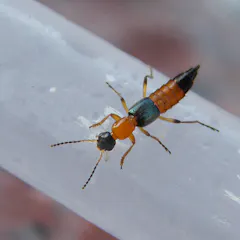
“Nairobi fly” are obvious due to their red and black colouration; these are warning colours of their toxicity.
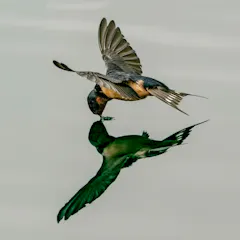
Ponds create ‘insect chimneys’ which are a boon for hungry farmland birds.
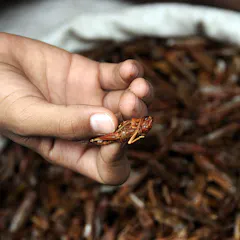
Eating locusts is an old strategy used to get food after locusts devastated crops, but things have changed.
Top contributors
-

Associate Professor in Entomology, University of Sydney
-
Clinical Associate Professor, School of Medical Science & Sydney Infectious Diseases Institute; Principal Hospital Scientist, University of Sydney
-
Professor of Behavioural Ecology, UCL
-
Associate Professor, Department of Physiology, Monash University
-
Lecturer in Ecology, University of New England
-
Lecturer, School of Life and Environmental Sciences, University of Sydney
-
Research Fellow, School of Biological Sciences, Monash University
-
Director of the Australian National Insect Collection, CSIRO
-
Postdoctoral Researcher in Mycology, West Virginia University
-
Adjunct associate, CSIRO
-
Associate Professor, Ecology, Northumbria University, Newcastle
-
Assistant Professor, Faculty of Agriculture, Dalhousie University
-
Senior Research Associate in Entomology, Lancaster University
-
PhD Candidate in Zoology, University of Otago
-
Professor, School of Natural Sciences, Macquarie University