
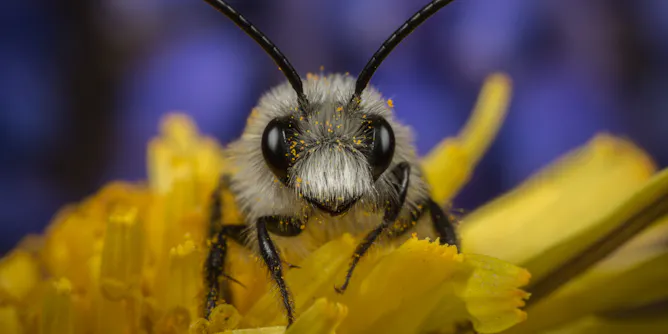
Amid the insect extinction crisis, some species are actually increasing. Here’s why that’s not necessarily a good thing.
Articles on Insects
Displaying 361 - 380 of 537 articles
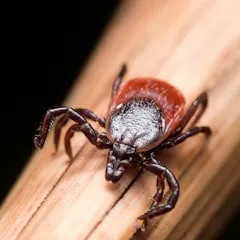
Ticks are generally inactive in the winter and start to look for their next meal as temperatures warm up. But as winters warm, every season may become tick season.
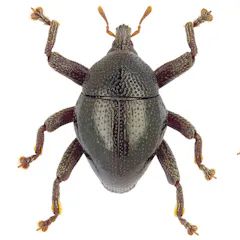
Champagne celebrations with a new species discovery for beetle scientists may not be the best move – you’d be drunk all the time. But it’s still important work.
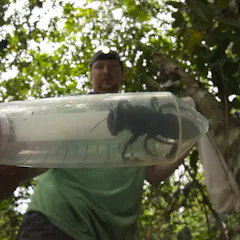
A bee the size of a human thumb was first described in Victorian times, but hadn’t been seen since 1981. That is, until four biologists teamed up on a trek to Indonesia’s North Molucca islands.
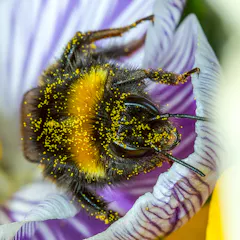
For human planting to support bee diversity, we need to know which flowers the insects want to visit.
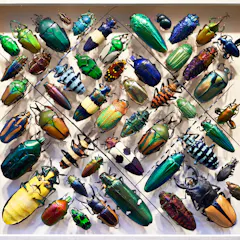
A recent report warned that insects ‘could vanish by the end of the century’. Here’s why that would cause a collapse of nature.
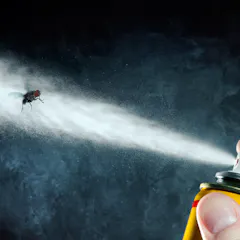
It’s easy to whip out the fly spray, but our fondness for pesticides can bring knock-on effects such as increased resistance, and harming beneficial insects in and around our homes.
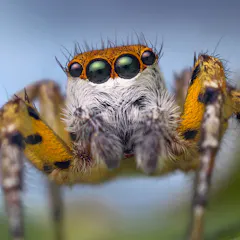
The natural world depends on insects to function, but they may be the next casualty of climate change.
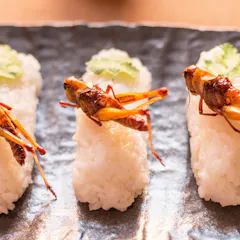
Because insects are an affordable and local food source rich in protein, they can be used as a meat replacement.
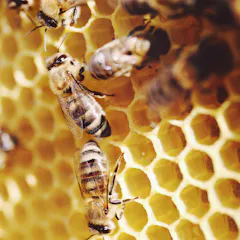
Bee brains contain less than one million neurons. Despite this, new research shows the honeybee can use symbols to perform basic maths, including addition and subtraction.

Here are some tips to beat the bite of these bloodsuckers for as long as possible.

Keeping urban habitats such as parks neat and tidy by removing dead wood and leaves is driving the species which live there to extinction.
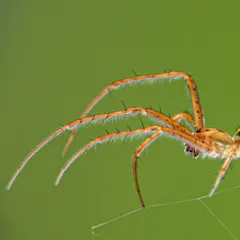
Believe it or not, I have studied the hairy legs of spiders for years and can give you some definitive answers on this.
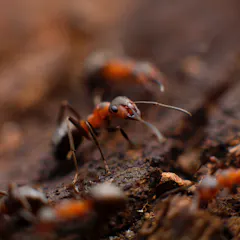
Ants have something similar to blood, but it’s called haemolymph. Some insects use it in unusual ways. When threatened by a predator, blister beetles can squirt haemolymph from their knees.

Climate change threatens to cause mass extinctions – but how, exactly? New research suggests male fertility may be the weakest link.
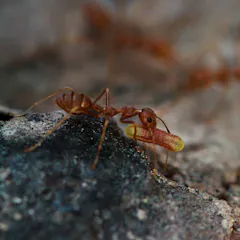
Hydrogen peroxide is a chemical that can kill germs. It is found in two things many ants love to eat: nectar and honey dew.
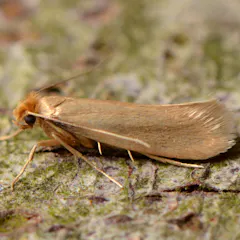
If you see moths and their larvae near your clothes, it’s a sign that it’s time to wash all your clothes and air them out in the sun.
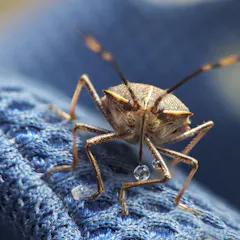
With the onset of cooler temperatures and shorter days, some insects pack-up and migrate to warmer climates. Others, including stink bugs, take up residence in our homes.
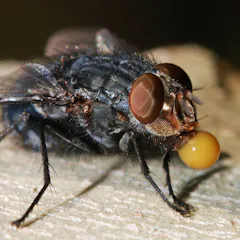
Bush flies and blowflies all vomit on their food, but other flies are a little more polite at the dinner table and don’t vomit at all.
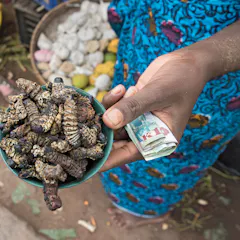
Insects are an excellent tool to fight hunger and malnutrition because they are abundant and nutritious.
Top contributors
-

Associate Professor in Entomology, University of Sydney
-
Clinical Associate Professor, School of Medical Science & Sydney Infectious Diseases Institute; Principal Hospital Scientist, University of Sydney
-
Professor of Behavioural Ecology, UCL
-
Associate Professor, Department of Physiology, Monash University
-
Lecturer in Ecology, University of New England
-
Lecturer, School of Life and Environmental Sciences, University of Sydney
-
Research Fellow, School of Biological Sciences, Monash University
-
Director of the Australian National Insect Collection, CSIRO
-
Postdoctoral Researcher in Mycology, West Virginia University
-
Adjunct associate, CSIRO
-
Associate Professor, Ecology, Northumbria University, Newcastle
-
Assistant Professor, Faculty of Agriculture, Dalhousie University
-
Senior Research Associate in Entomology, Lancaster University
-
PhD Candidate in Zoology, University of Otago
-
Professor, School of Natural Sciences, Macquarie University