
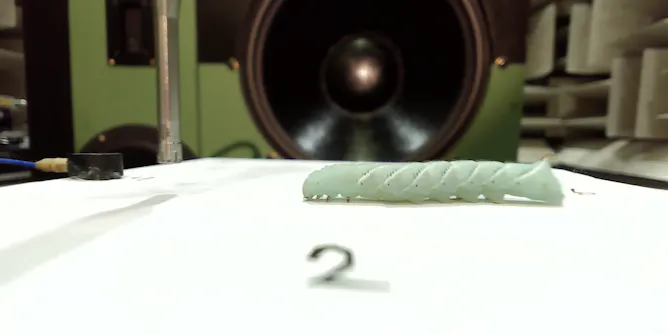
Scientists give caterpillars haircuts and put them in a room isolated from sound to figure out how they’re able to hear without ears.
Articles on Entomology
Displaying 1 - 20 of 109 articles
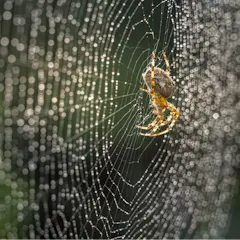
If Spider-Man were real, he could help scientists revolutionize healthcare. Since he’s not, researchers develop creative ways to produce spider silk to study.
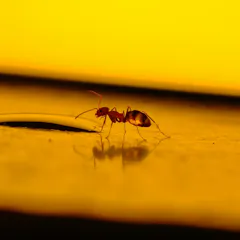
There are 10 quintillion insects in the world. Here’s what to do with the ones in your house.

Forensic scientists would conduct the film’s infamous moth cocoon scene rather differently today.
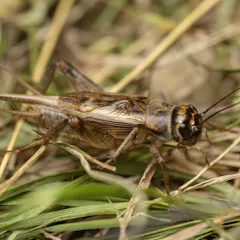
A new study supports a burgeoning challenge to the assumption that pain requires a brain anything like ours.
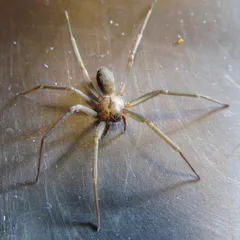
Not all spider venoms are created equal. Some are harmless to people, while others can be quite dangerous.
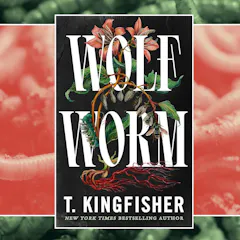
Bugs abound in this terrifying story of scientific ambition.
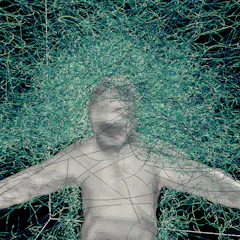
Analyzing 20 million recorded mosquito flight paths revealed the mathematical rules behind how these tiny predators move and zero in on their human targets.
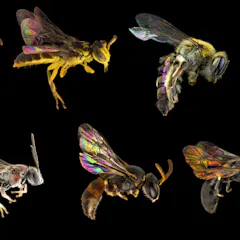
A new paper provides the first statistically derived estimate of bee species richness around the world. But this is about more than bees.

These tiny critters have shaped the health of our planet for hundreds of millions of years.
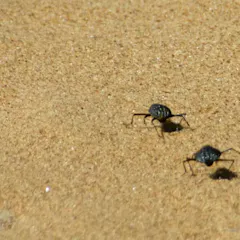
A Namibian desert beetle cools down by running in the sun.
Insects have a range of fascinating ways to keep cool. We can help them too.
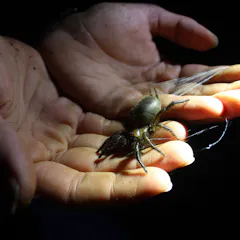
Take the personality quiz to match with one of NZ’s larger-than-life little creatures, then cast your vote.
An ecologist at the IPCC for over 25 years, Camille Parmesan, who is also a refugee scientist, explains how to preserve biodiversity on a warming planet.
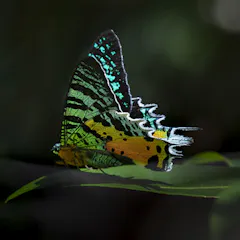
With the warmer weather come more of these fluttering insects – which can be easily confused with each other.
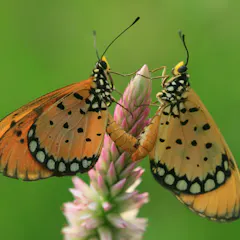
The lack of data about insect life in Australia is already having consequences for plants, animals, and even people.

Cool autumns and dry springs could help earwig populations recover.
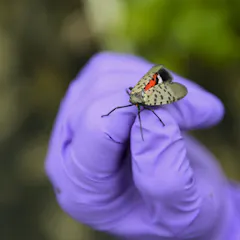
An entomologist describes how the sap-sucking insects can weaken grapevines and reduce fruit yield and quality.
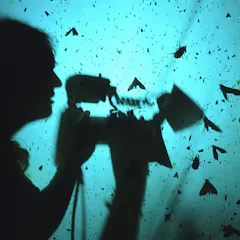
Miller moths migrate through the state every summer and are sometimes considered to be a pest.
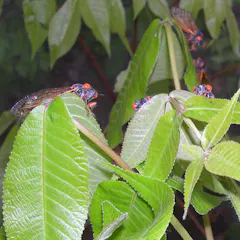
Two ecologists explain why a misleading map is worse than no map at all, and how they have worked for years to track the emergences of 13-year and 17-year cicadas.
Top contributors
-

Associate Professor in Entomology, University of Sydney
-
Postdoctoral Researcher in Mycology, West Virginia University
-
Lecturer, School of Life and Environmental Sciences, University of Sydney
-
Senior Ecologist, University of Sydney
-
Emeritus Professor of Biology, University of Bath
-
Senior Research Scientist of Ecology and Evolutionary Biology, University of Connecticut
-
Assistant Professor of Ecology and Evolutionary Biology, University of Connecticut
-
Professor of Behavioural Ecology, UCL
-
Senior Lecturer
-
Professor and Department Head, Entomology and Plant Pathology, University of Tennessee
-
PhD Candidate in evolution, behaviour, ecology and entomology, University of East Anglia
-
Lecturer in Biological Sciences, University of Wollongong
-
Professor of Biological Sciences, Florida International University
-
PhD Candidate in Zoology, University of Otago
-
Professor of Conservation Ecology, University of Gloucestershire