
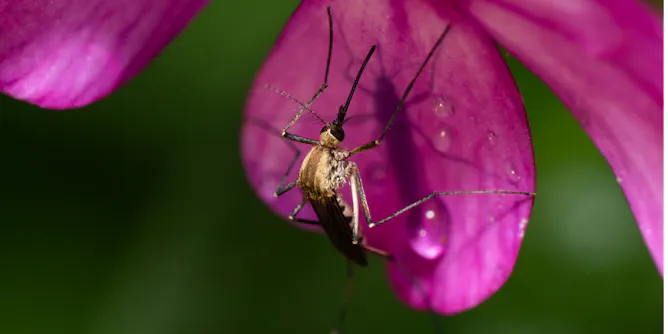
Mosquitoes have intricate and essential relationships with plants. Understanding their important work as pollinators would help to understand their role in different ecosystems.
Articles on Insects
Displaying 341 - 360 of 537 articles
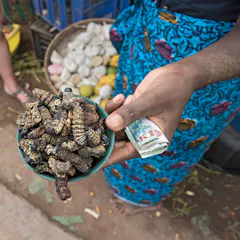
There needs to be more awareness of the benefits of insects as food, and support for farming and markets.
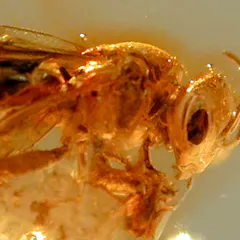
How do we know that bees were around when dinosaurs still roamed the Earth? The main evidence comes from fossils – the mineralized remains of long-dead organisms.
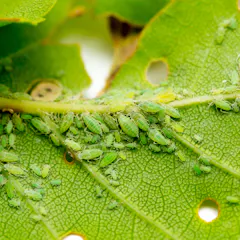
Certain wasps and flies which lay their eggs in specific species such as aphids could be a sustainable form of pest control.
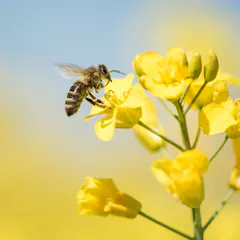
It’s unlikely that all species of bees will go extinct anytime soon – but current losses could still have a terrible impact on food supplies and ecosystems.
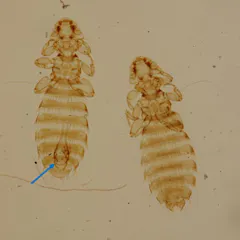
Reconsidering an old ecological conundrum comes up with a new perspective on migration, contact and trade in the Australia and Asia-Pacific region.
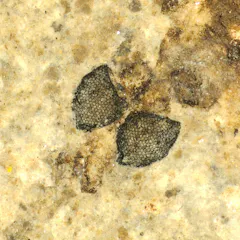
Fossil flies from what is now Denmark reveal some striking similarities between insect eyes 54 million years ago, and our own vision today.
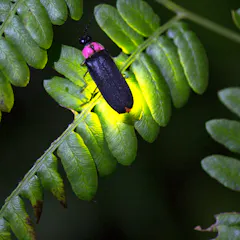
For many people, the gentle blinks of fireflies flashing are a favorite part of summer evenings. An entomologist explains some lightning bug basics.

Britain’s councils are cutting roadside verges less often to allow vibrant wildflower meadows to bloom.
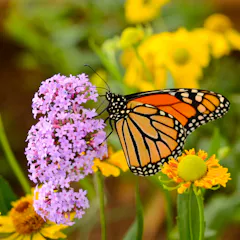
Wildflowers, bees and butterflies – your lawn is a vibrant ecosystem waiting to be unleashed.
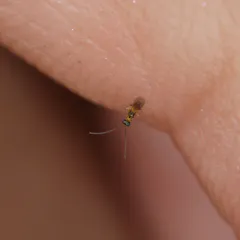
Tiny fairy wasps are so small they can lay their eggs inside other insects eggs, but they punch above their weight when it comes to keeping pests down.
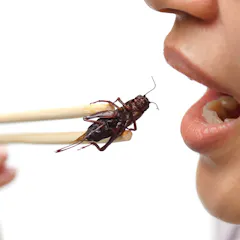
Insects are high in protein and rich in other nutrients and, unlike beef and other livestock, have little impact on climate.
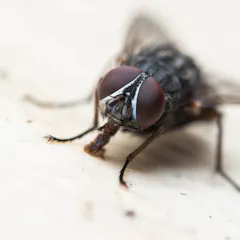
Don’t let that fly land in your hospital room. It could be carrying dangerous strains of bacteria.
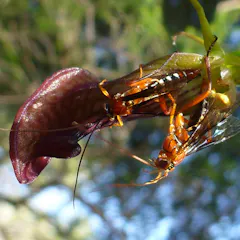
You can barely communicate with your kids, but these creatures are sending complex interspecies instructions.
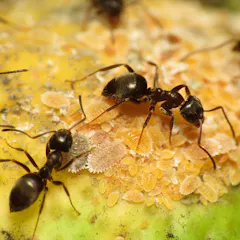
They might be a hated household pest, but ants actually live fascinating and complex lives.
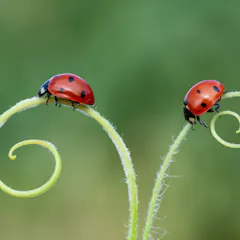
Ladybirds do not have tails because they have no backbones.
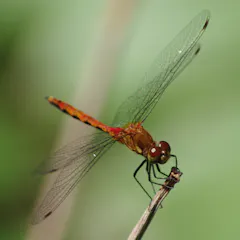
Alarm bells went off when several recent studies reported mass insect die-offs in different parts of the world. But reports of an ‘insect apocalypse’ have been greatly exaggerated.
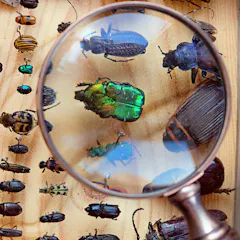
New species are being discovered all the time, which only adds to the problem of knowing how many there are on the planet today. It also helps to know what we mean by species.
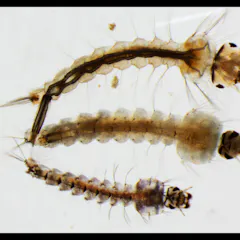
Researchers are only beginning to understand the impact of pollution and increased temperatures on the biology of mosquitoes.
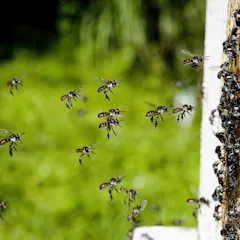
Bees might not be able to survive inside a person’s eye, but they can be drawn to disgusting food sources.
Top contributors
-

Associate Professor in Entomology, University of Sydney
-
Clinical Associate Professor, School of Medical Science & Sydney Infectious Diseases Institute; Principal Hospital Scientist, University of Sydney
-
Professor of Behavioural Ecology, UCL
-
Associate Professor, Department of Physiology, Monash University
-
Lecturer in Ecology, University of New England
-
Lecturer, School of Life and Environmental Sciences, University of Sydney
-
Research Fellow, School of Biological Sciences, Monash University
-
Director of the Australian National Insect Collection, CSIRO
-
Postdoctoral Researcher in Mycology, West Virginia University
-
Adjunct associate, CSIRO
-
Associate Professor, Ecology, Northumbria University, Newcastle
-
Assistant Professor, Faculty of Agriculture, Dalhousie University
-
Senior Research Associate in Entomology, Lancaster University
-
PhD Candidate in Zoology, University of Otago
-
Professor, School of Natural Sciences, Macquarie University