
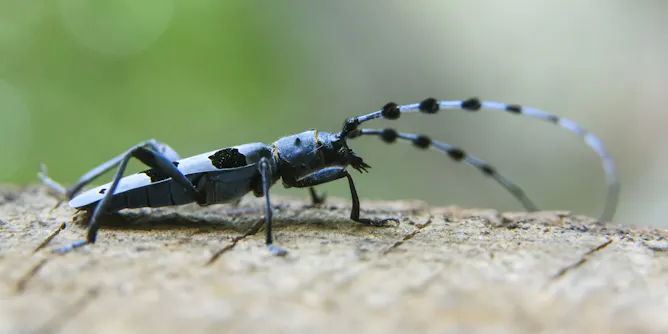
The largest study of insect declines to date gives us the best indication of how species all over the world are faring.
Articles on Insects
Displaying 321 - 340 of 537 articles
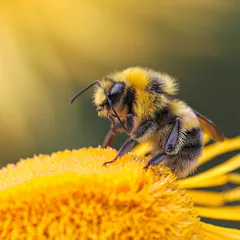
Humans obtain bacteria through the foods they eat. But how do bees collect bacteria that live in and on them? And where do they pick up these microbes?
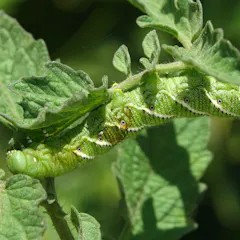
Plants have evolved techniques for protecting themselves from heat and insect attacks – but when both these stresses happen at once, one defense may neutralize the other.

The game is a fantastic metaphor for understanding how extinctions cause ecosystems to become more fragile.
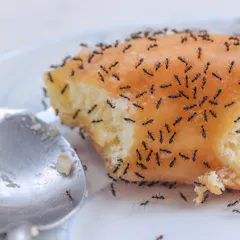
You’ve probably seen ants marching over your kitchen bench this summer. Should you get out the insecticide, or learn to live with them?
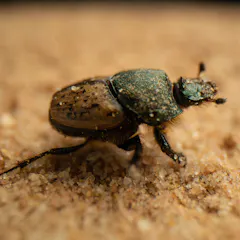
Wet and bulky cattle dung is very unlike marsupial dung that Australian dung beetles are adapted to deal with, meaning native dung beetles tend to leave it alone. But help from abroad is at hand.

Insect populations are falling as what they eat becomes more like iceberg lettuce and less like kale.
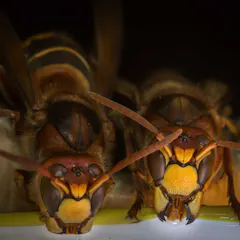
Bees aren’t the only species that has a queen.

Each B&B is a green sanctuary for pollinators, containing pollinating plants and shelters like beehives and nesting boxes.

Insects are essential to the functioning of land and freshwater ecosystems but species populations are being lost at a rapid rate globally.
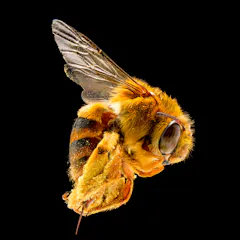
In NSW, honeybees are listed as a key threatening process to biodiversity.
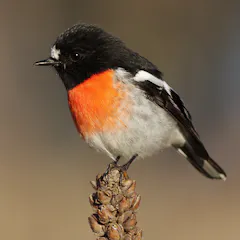
First come the beetles, then the birds: how nature is surviving, and thriving, after a summer of fires.
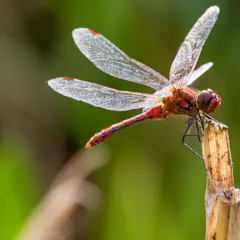
While many surveys show the numbers of wildlife falling, there is good news for some species – including pondskaters and various mosses and lichen.
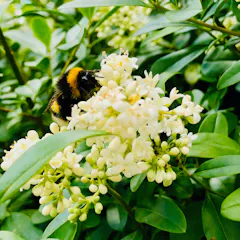
A new study has found that European and North American bumblebee populations have shrank by a third since 1970.
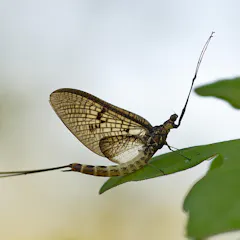
Mayflies and stone flies are extremely vulnerable to water pollution, which has implications for the larger food chain.
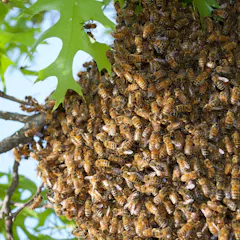
A swarm of honeybees can provide valuable lessons about how a group of many individuals can work together to accomplish a task, even with no one in charge. Roboticists are taking notes.

Nuisance-biting and mosquito-borne disease are ongoing concerns for health authorities. But an effective citizen science program is now showing how all of us can help beat the bite of mozzies.
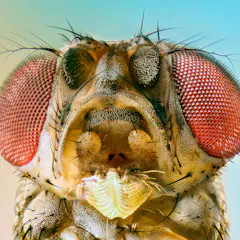
Your taste for cheese and yoghurt may never have been satisfied were it not for illicit microbial sex.
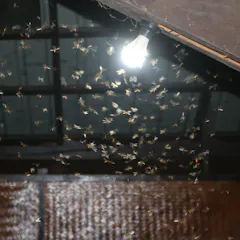
Moths and insects cluster around lights at night. Why?
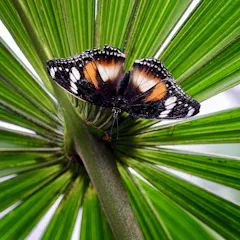
Insects are vital to sustaining life on Earth – and their numbers are falling fast. So consider ditching the fly spray and see what you can do to help.
Top contributors
-

Associate Professor in Entomology, University of Sydney
-
Clinical Associate Professor, School of Medical Science & Sydney Infectious Diseases Institute; Principal Hospital Scientist, University of Sydney
-
Professor of Behavioural Ecology, UCL
-
Associate Professor, Department of Physiology, Monash University
-
Lecturer in Ecology, University of New England
-
Lecturer, School of Life and Environmental Sciences, University of Sydney
-
Research Fellow, School of Biological Sciences, Monash University
-
Director of the Australian National Insect Collection, CSIRO
-
Postdoctoral Researcher in Mycology, West Virginia University
-
Adjunct associate, CSIRO
-
Associate Professor, Ecology, Northumbria University, Newcastle
-
Assistant Professor, Faculty of Agriculture, Dalhousie University
-
Senior Research Associate in Entomology, Lancaster University
-
PhD Candidate in Zoology, University of Otago
-
Professor, School of Natural Sciences, Macquarie University