
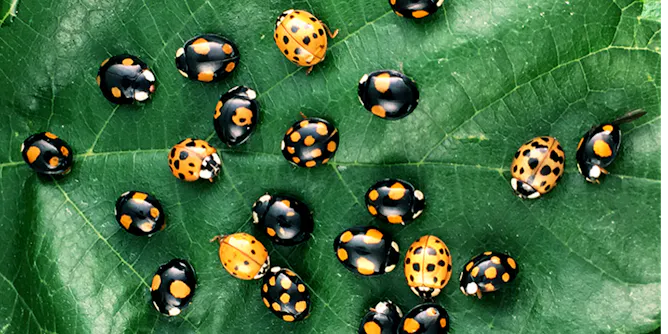
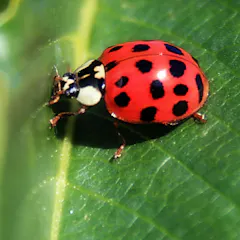
Where do the pretty colours of the harlequin ladybug come from? A single gene draws the colour patterns of this familiar insect.
Articles on Insects
Displaying 381 - 400 of 537 articles
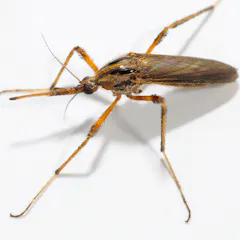
Yes, giant mosquitoes are a thing. They’re specialized to wait out the dry times only to emerge from their eggs when high water provides the perfect larval environment.
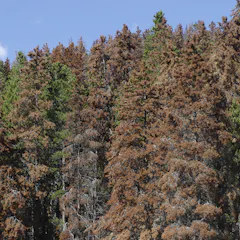
As climate change alters temperature and precipitation patterns across the US, it is having especially severe impacts on national parks. These changes could happen faster than many plants and animals can adapt.
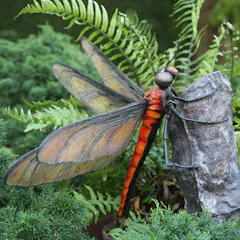
They hovered in the skies of the Earth 300 million years ago… The giant dragonflies will soon be the stars of the paleontology gallery of France’s Natural History Museum in Paris.
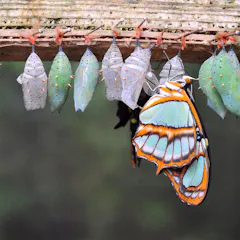
Scientists were not sure if an adult butterfly could remember things it learned as a caterpillar. Then a study by a team of US scientists found something very interesting.

Pollination by commercially raised bees is important to a variety of crops but none more than California almonds. In turn, beekeepers depend on them.
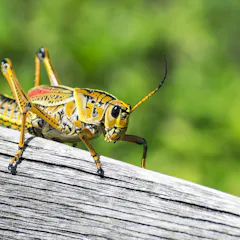
They’re just one of many insects facing dramatic population decline.
If the insect wants to stay right in front of your nose, it must fly forwards just a little bit when the car is speeding up. But when the car is at constant speed, it only needs to hover.
An AC/DC-loving biologist tests the band’s 1980 assertion that “rock ‘n’ roll ain’t noise pollution.” Turns out it can be – and the negative effects of noise can ripple through an ecosystem.

Stick insects may be using birds to disperse their eggs, just as plant do.
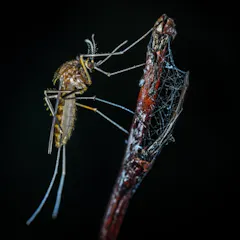
Mosquito abundance is linked to climate and weather, and global climate change may be helping spread these dangerous carriers of disease.
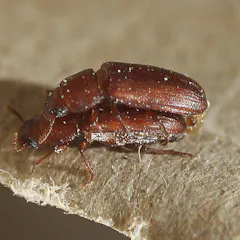
Up to half of insect sex can involve two males but our study suggests it’s probably less design and more a case of mistaken identity.

Footballers came under attack from a swarm of flies on the Volgograd pitch. But there’s more to midges and gnats than meets the eye.
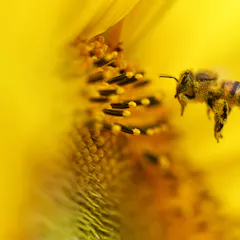
The work honey bees do is critical for our ecosystems, but it comes at a high personal cost.

New study shows parasitic Escovopsis fungus attacks the bacteria leafcutter ants use to protect themselves.
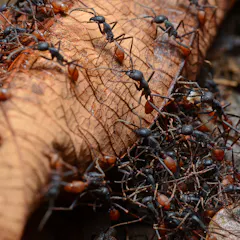
Insects aren’t known for having big brains, and slime moulds and fungi don’t have any. So how do they solve challenges that test the ingenuity of human transport engineers?
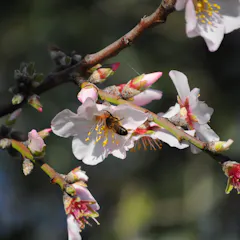
Many fruits, nuts and other crops rely on bees to pollinate their flowers at just the right time of year. Many farmers rent bees to get the job done at pollination time.
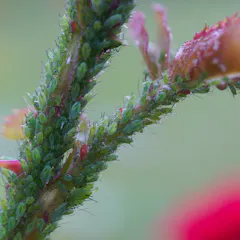
Aphids often appear in swarms around May and June but what risk do they pose to plants?
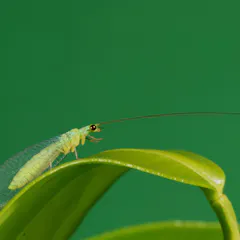
Not all bugs are bad! Put down the pesticides and get to know the predators and parasites hidden around you.
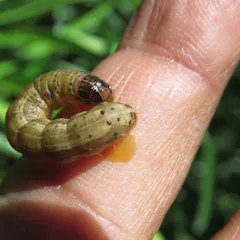
The Fall armyworm will remain in Africa for a long time unless concerted action is taken.
Top contributors
-

Associate Professor in Entomology, University of Sydney
-
Clinical Associate Professor, School of Medical Science & Sydney Infectious Diseases Institute; Principal Hospital Scientist, University of Sydney
-
Professor of Behavioural Ecology, UCL
-
Associate Professor, Department of Physiology, Monash University
-
Lecturer in Ecology, University of New England
-
Lecturer, School of Life and Environmental Sciences, University of Sydney
-
Research Fellow, School of Biological Sciences, Monash University
-
Director of the Australian National Insect Collection, CSIRO
-
Postdoctoral Researcher in Mycology, West Virginia University
-
Adjunct associate, CSIRO
-
Associate Professor, Ecology, Northumbria University, Newcastle
-
Assistant Professor, Faculty of Agriculture, Dalhousie University
-
Senior Research Associate in Entomology, Lancaster University
-
PhD Candidate in Zoology, University of Otago
-
Professor, School of Natural Sciences, Macquarie University