
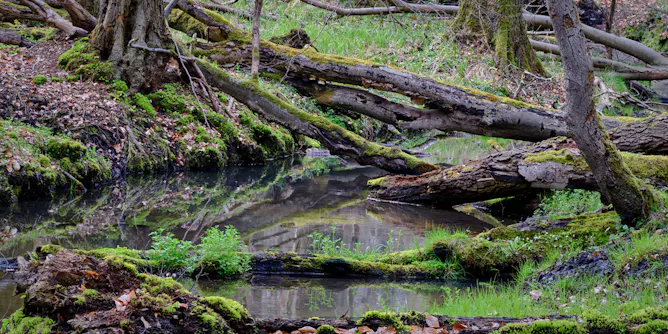
This is the first time researchers have calculated the amount of carbon released from the world’s decaying wood. They found insects play an enormous role.
Articles on Insects
Displaying 261 - 280 of 537 articles
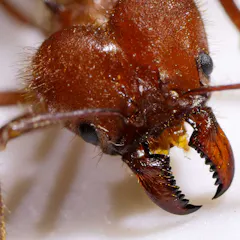
Many small animals make their teeth and claws from a smooth blend of proteins and heavy elements. These materials can form very sharp tools that make it possible to cut tough substances using tiny muscles.
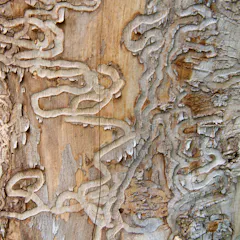
Biological control strategies curb pests using other species that attack the invader. A biologist explains why it can take more than a decade to develop an effective biological control program.
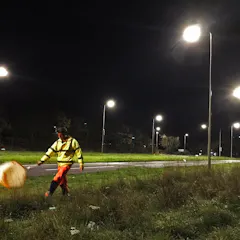
The increasing prevalence of white LED streetlamps spells worrying population declines for insects like moths.

Inserting electrodes into insects helps scientists understand what attracts these insects – and, stemming from that, how to trap them and protect crops.
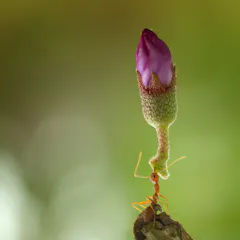
Usain Bolt can run at about 6 body lengths a second. An arachnid in California can do 322.
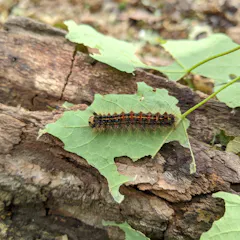
The caterpillar, Lymantria dispar, has eaten through 17,000 square kilometres of trees since the 1980s. The invasive insect was imported in the 1880s to launch a North American silk industry.
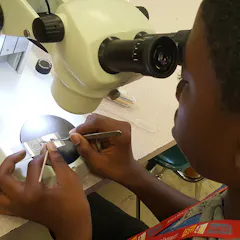
A hands-on approach to learning about bugs can help students from urban communities take an interest in science.
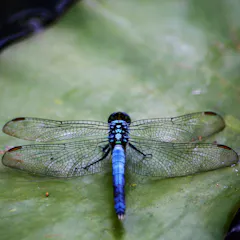
New data from tropical and subtropical regions suggests insects are declining thanks to dammed rivers
We know surprisingly little about the millions of animals, plants and birds that live in the Amazon – here’s how we can understand them better.

Baobab flowers have male and female parts but individual trees appear to be favouring one rather than the other. To keep tree populations healthy and fruitful, both types are needed.
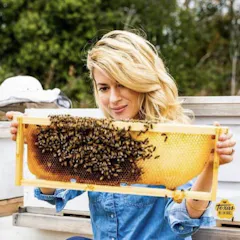
Erika Thompson is clearly a competent beekeeper, who’s educating the public about honeybees in her own way on social media.
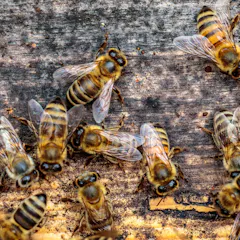
Bees mate in mid-air, where it’s almost impossible to observe them.
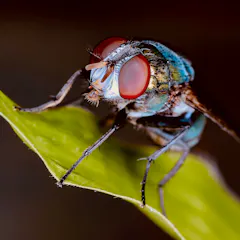
New findings suggest the loss of fertility at high temperatures is a major threat to the survival of some species.
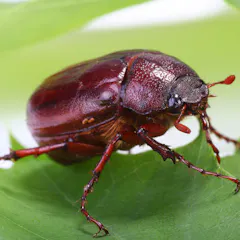
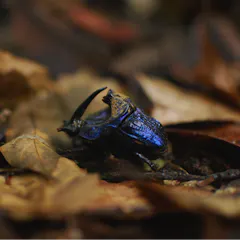
There is much more to these chunky beetles of early summer than what first meets the eye.
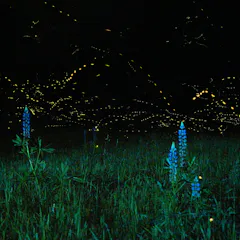
Fireflies’ summer evening light shows are a delight for humans, but for the insects they are a crucial mating ritual – and human-caused light pollution is a buzz kill.
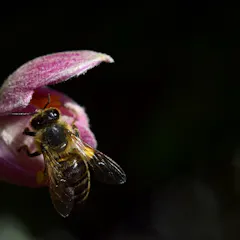
Hives that travel by truck, bees paid for their pollination service, adulterated honey, economic theories based on an imaginary social organization…

Planting a garden for winter-active insects is a wonderful way to support local biodiversity. Your garden will thrive with the free pollination and pest control services the insects provide.
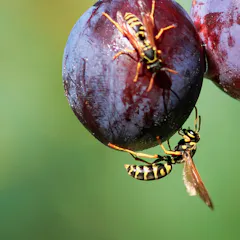
We value bees for the jobs they do for the environment and us – why is the same not true of wasps?
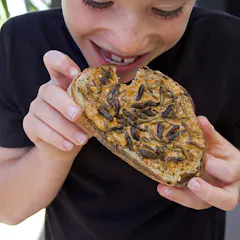
Two billion people already eat ‘prawns of the land’, so why don’t many Australians? A new CSIRO industry roadmap on edible insects explains why we should bring bugs into mainstream diets.
Top contributors
-

Associate Professor in Entomology, University of Sydney
-
Clinical Associate Professor, School of Medical Science & Sydney Infectious Diseases Institute; Principal Hospital Scientist, University of Sydney
-
Professor of Behavioural Ecology, UCL
-
Associate Professor, Department of Physiology, Monash University
-
Lecturer in Ecology, University of New England
-
Lecturer, School of Life and Environmental Sciences, University of Sydney
-
Research Fellow, School of Biological Sciences, Monash University
-
Director of the Australian National Insect Collection, CSIRO
-
Postdoctoral Researcher in Mycology, West Virginia University
-
Adjunct associate, CSIRO
-
Associate Professor, Ecology, Northumbria University, Newcastle
-
Assistant Professor, Faculty of Agriculture, Dalhousie University
-
Senior Research Associate in Entomology, Lancaster University
-
PhD Candidate in Zoology, University of Otago
-
Professor, School of Natural Sciences, Macquarie University