
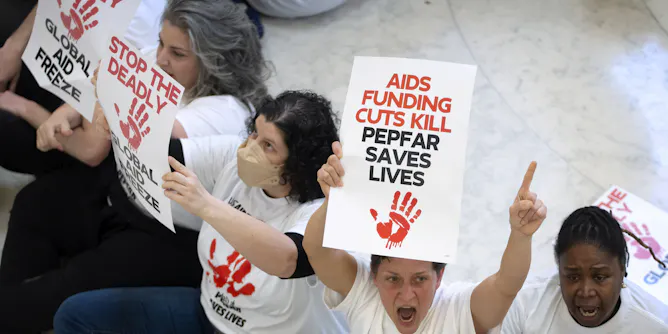
If political agendas hijack the global HIV/AIDs response, it will devastate the 40 million people living with the disease worldwide, especially the most marginalized.
Articles on HIV/AIDS
Displaying 1 - 20 of 334 articles
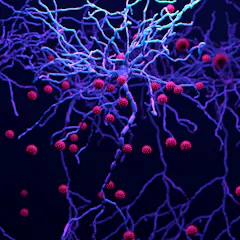
Immune cells can carry HIV into the brain, leading to problems with memory and cognition. Blocking other immune cells from the brain can make matters worse.
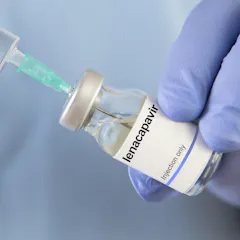
Targeting men who move around for work is crucial for the success of a new HIV/Aids treatment.
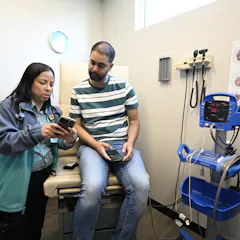
An increasing number of laws aim to roll back LGBTQ+ people’s ability to access health care, leading to cascading effects on their well-being.
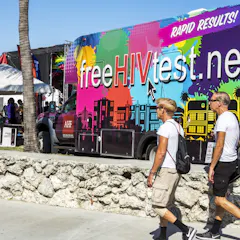
Scaling back Florida’s AIDS Drug Assistance Program could mean a resurgence of HIV/AIDS and increased health care costs throughout the state.

Playwright Larry Kramer has been a polarising figure in queer politics. But this production of The Normal Heart in Sydney feels more urgent than ever.

Clergy sometimes place themselves in harm’s way for moral and religious reasons. A scholar of religious ethics explains when – and why.

The America First Global Health Strategy aims to secure US interests but may instead undermine it by design.

Over half of new HIV diagnoses in the US are in the South. Black men who have sex with men are hit the hardest; for them, preventing HIV is a matter of trust, identity, family and faith.

In the fall of 1985, two pioneering films offered radically different portrayals of AIDS – one intimate and confrontational, the other more cautious and network-friendly.
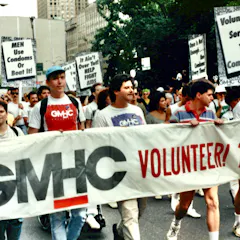
Despite funding cuts, political scapegoating and internal tensions, thousands of volunteers came together in the 1980s to provide care to a stigmatized community.

Withdrawing or reducing aid has immediate and often fatal effects − not only for the countries receiving aid but for people around the globe.

The US cuts in research funding are devastating to the fight against HIV/Aids. It’s going to be very hard to recover.
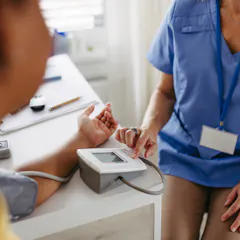
After a group of employers refused to provide their employees access to free HIV prevention treatment, the Supreme Court may decide whether insurers are required to fully cover preventive care.

Without public health surveillance, officials trying to tackle outbreaks, identify threats and evaluate treatments are working ‘in the darkness of ignorance.’
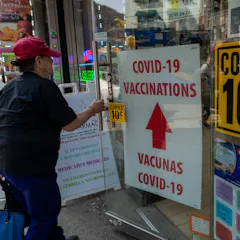
Scientific discoveries are necessary to eliminate epidemic diseases. But addressing socioeconomic factors is just as essential in the fight against diseases such as syphilis, AIDS and TB.

The U.S. funded HIV/AIDS program PEPFAR has saved over 25 million lives since it began in 2003.

The consequences of a U.S. retreat from the global response to HIV/AIDS would be immense, jeopardizing 40 years of progress.
Africa’s investment into research and development is far below the global average.

Aids was first identified 40 years ago: these are the game changers that have revolutionised treatment – and the obstacles that remain.
Top contributors
-

Professor of medicine and deputy director of the Desmond Tutu HIV Centre at the Institute of Infectious Disease and Molecular Medicine, University of Cape Town
-
Principal Research Fellow, Australian Research Centre in Sex, Health and Society, La Trobe University
-
Distinguished Professor, Infectious Disease and Oncology Research Institute, Faculty of Heath Sciences, University of the Witwatersrand, Executive Director Perinatal HIV Research Unit, Chief Scientific Officer, South African Medical Research Council
-
Associate Professor, Public Health Ethics, School of Population Health, UNSW
-
Melbourne Laureate Professor, University of Melbourne; Director, The Peter Doherty Institute for Infection and Immunity
-
Professor of Epidemiology and Public Health, University of Malawi
-
Research Director at The Health Economics and HIV and AIDS Research Division (HEARD), University of KwaZulu-Natal
-
Assistant Professor of Nursing, University of Michigan
-
Assistant Professor of Public Health, University of Iowa
-
Professor of Anthropology, American University
-
Senior Research Fellow, Monash University
-
Behavioural Scientist, Human Sciences Research Council
-
Professor of Global Health and Director, O'Neill Institute, Georgetown University
-
Professor, School of Health Sciences, University of Northern British Columbia; University of Victoria
-
Associate Professor and Head of the Surveillance and Evaluation Program for Public Health at the Kirby Institute, UNSW