
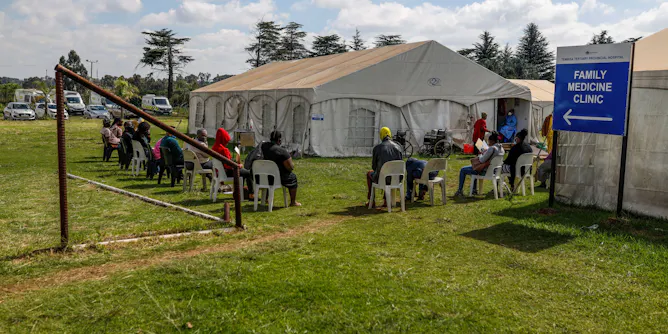
Budgets on their own don’t solve structural issues. But they do provide some insight into government plans for addressing its broader developmental priorities.
Articles on HIV/AIDS
Displaying 61 - 80 of 334 articles
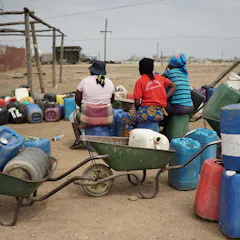
The provision of better health services and social grants has aided rural women’s progress in South Africa, but there are still tremendous needs to be met.
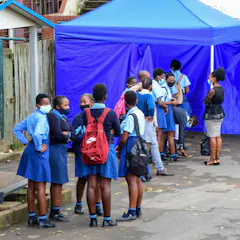
Local research is particularly needed to assess existing policies and inform efforts to implement them better.

The shocking story at the centre of When the Village Sleeps is as heartbreaking as it is - ultimately - full of hope.
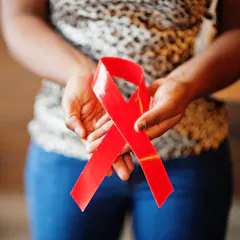
Microaggressions are more subtle than outright discrimination. But they can directly affect HIV treatment outcomes.

Leaders in Africa need to develop practical ways to achieve their aspirations.

Having survived the HIV/AIDS pandemic, gay communities in the US were well equipped to get residents health and social services early in the pandemic, when the government’s COVID-19 response lagged.
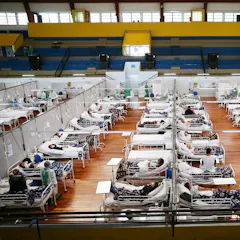
The high costs of the world’s colossally unequal COVID-19 immunization rates.
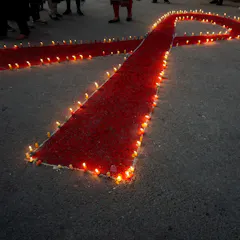
Not achieving the targets for children and adolescents in sub-Saharan Africa means that new infections will continue to increase and HIV related mortality will be a reality for decades to come.
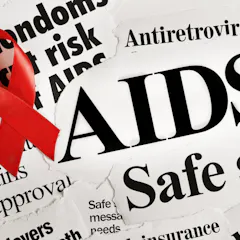
The key actions needed to end AIDS are relatively clear. The question is whether every government, funder, and implementing organisations will apply them.

Scientists developed vaccines for COVID-19 in a matter of months. Why after 37 years do we still not have one for HIV/AIDS? On HIV Vaccine Awareness Day, it’s an important question to ask.

The HIV In My Day project preserves the early history of the HIV/AIDS pandemic through the personal stories of long-term survivors and caregivers.
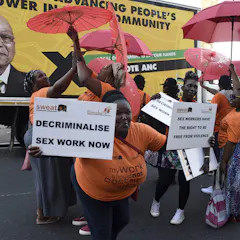
Narrow, unimaginative public health responses inhibit reducing HIV, exploitation and marginalisation within sex work.

New research highlights how the press excluded, shamed and invaded the privacy of those living with HIV.
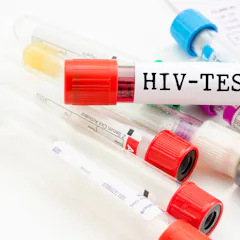
Local and national governments in west and central African countries must prioritise investment in providing access to HIV testing for all pregnant women.
The evidence shows that keeping girls in school not only reduces HIV risk, but also delays marriage and pregnancy, and improves mental health.
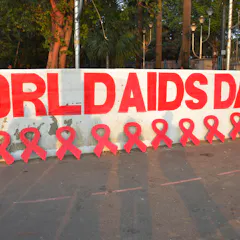
The HIV/AIDS response played out over a much longer trajectory than COVID-19. But it is, in some respects, a shining example of what can be achieved when countries and people work together.
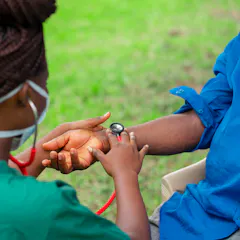
Nurses represent 50% of the global healthcare workforce. And they are often the sole healthcare providers in many low and middle-income countries.
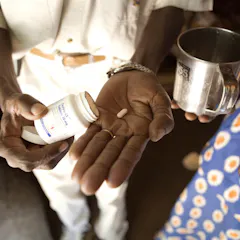
The giant leap in the number of people accessing HIV treatment would not have been possible without task shifting from medical doctors to less-specialised cadres such as nurses and midwives.
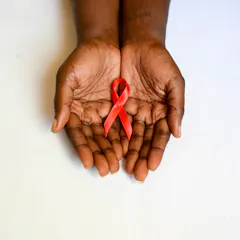
As it toured schools, the play Talk to Me, about two friends and HIV, was able to create brave and safe spaces for conversation about a challenging subject.
Top contributors
-

Professor of medicine and deputy director of the Desmond Tutu HIV Centre at the Institute of Infectious Disease and Molecular Medicine, University of Cape Town
-
Principal Research Fellow, Australian Research Centre in Sex, Health and Society, La Trobe University
-
Distinguished Professor, Infectious Disease and Oncology Research Institute, Faculty of Heath Sciences, University of the Witwatersrand, Executive Director Perinatal HIV Research Unit, Chief Scientific Officer, South African Medical Research Council
-
Associate Professor, Public Health Ethics, School of Population Health, UNSW
-
Melbourne Laureate Professor, University of Melbourne; Director, The Peter Doherty Institute for Infection and Immunity
-
Professor of Epidemiology and Public Health, University of Malawi
-
Research Director at The Health Economics and HIV and AIDS Research Division (HEARD), University of KwaZulu-Natal
-
Assistant Professor of Nursing, University of Michigan
-
Assistant Professor of Public Health, University of Iowa
-
Professor of Anthropology, American University
-
Senior Research Fellow, Monash University
-
Behavioural Scientist, Human Sciences Research Council
-
Professor of Global Health and Director, O'Neill Institute, Georgetown University
-
Professor, School of Health Sciences, University of Northern British Columbia; University of Victoria
-
Associate Professor and Head of the Surveillance and Evaluation Program for Public Health at the Kirby Institute, UNSW