

One of the main challenges remains that diagnostics and drugs for people suffering from advanced HIV aren’t readily available. This group of people is vulnerable to deadly opportunistic infections.
Articles on HIV/AIDS
Displaying 81 - 100 of 334 articles
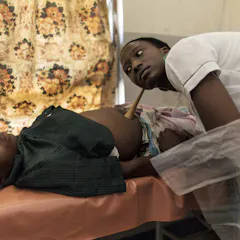
Male involvement in prevention of mother-to-child transmission of HIV is key for the uptake of services and retention in care. When men are involved, HIV exposed or infected children do better.
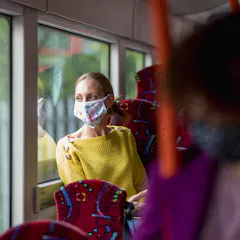
As ready as you are to be done with COVID-19, it’s not going anywhere soon. A historian of disease describes how once a pathogen emerges, it’s usually here to stay.
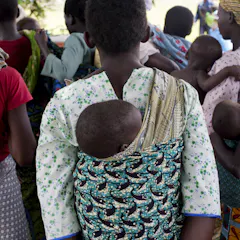
The use of antiretroviral therapy among pregnant and breastfeeding women in Zambia has increased but adherence is a problem.
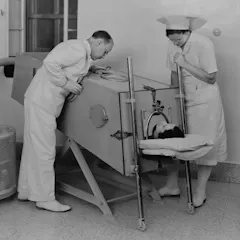
Public trust is key to a successful immunisation programme.
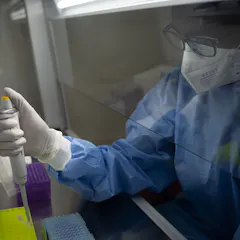
Pooled testing, or group testing, has been used to diagnose relatively rare conditions, such as infection in blood donors. It could be used for universal early infant diagnosis and viral load testing.
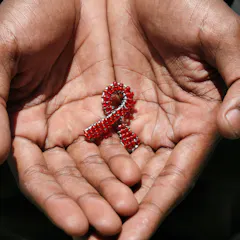
Underlying social and structural causes of behaviour - such as poverty and gender disparities - are often ignored. But these are potential drivers of HIV infection among young people.
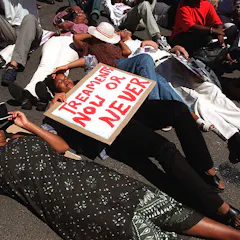
Staging this conference in all time zones with fair distribution of prime-time events was no small feat. But the exchange of ideas, experiences and solutions remained a strong priority.
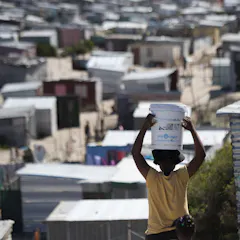
COVID-19 has stretched South Africa’s public health services to capacity. In response, the services have increased their capacity through innovation.
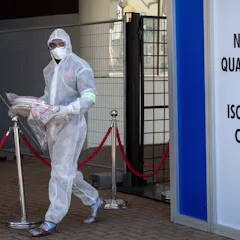
The redirection of resources to COVID-19 has enormous consequences for the provision of healthcare services for other diseases, in particular, HIV programmes.
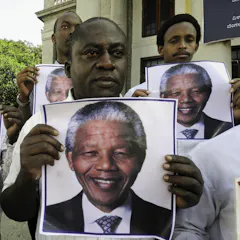
Mandela left at the right time in 1999, when the country still seemed in a healthy state, after which he consolidated his international reputation.
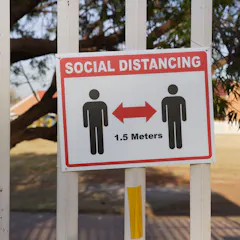
HIV activists in South Africa laid the foundation for relatively widespread citizen trust in science and expertise. Now government must capitalise on this and drive COVID-19 prevention campaigns.
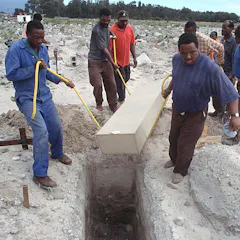
The British press ignored the millions of deaths from HIV/Aids in Africa for far too long.
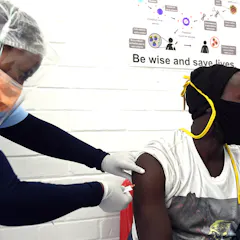
In a pandemic like this one, the priority is to save lives. But without a vaccine, there’s a limit in the tools available to save lives.
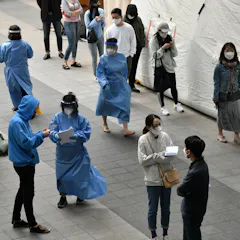
South Korea’s mass surveillance to curb the coronavirus pandemic uses technologies and techniques that are grounded in anti-LGBTQ discrimination.
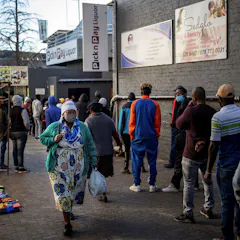
Local participation and ownership of the response to COVID-19 is the only sustainable option.
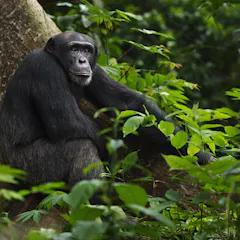
Zoologists have known for decades that some of the most devastating viral infections originate from animals. Their data and research can be used in efforts to prevent pandemics.
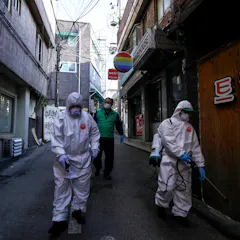
Seoul has a bustling queer community, but LGBTQ+ people in South Korea face ongoing stigma.

A holistic, cultural and local approach to fighting the COVID-19 pandemic is needed in Indonesia.
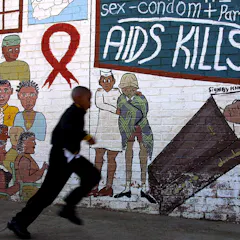
Attempting to defeat these folk theories with science achieved little; the myth busters of the AIDS epidemic were talking past those they were trying to convince.
Top contributors
-

Professor of medicine and deputy director of the Desmond Tutu HIV Centre at the Institute of Infectious Disease and Molecular Medicine, University of Cape Town
-
Principal Research Fellow, Australian Research Centre in Sex, Health and Society, La Trobe University
-
Distinguished Professor, Infectious Disease and Oncology Research Institute, Faculty of Heath Sciences, University of the Witwatersrand, Executive Director Perinatal HIV Research Unit, Chief Scientific Officer, South African Medical Research Council
-
Associate Professor, Public Health Ethics, School of Population Health, UNSW
-
Melbourne Laureate Professor, University of Melbourne; Director, The Peter Doherty Institute for Infection and Immunity
-
Professor of Epidemiology and Public Health, University of Malawi
-
Research Director at The Health Economics and HIV and AIDS Research Division (HEARD), University of KwaZulu-Natal
-
Assistant Professor of Nursing, University of Michigan
-
Assistant Professor of Public Health, University of Iowa
-
Professor of Anthropology, American University
-
Senior Research Fellow, Monash University
-
Behavioural Scientist, Human Sciences Research Council
-
Professor of Global Health and Director, O'Neill Institute, Georgetown University
-
Professor, School of Health Sciences, University of Northern British Columbia; University of Victoria
-
Associate Professor and Head of the Surveillance and Evaluation Program for Public Health at the Kirby Institute, UNSW