

Long-acting treatments could reduce missed doses and ease the burden of taking medicines every day, while giving patients more choice.
Articles on PrEP
Displaying 1 - 20 of 63 articles
The challenge now is not simply helping people live longer, but ensuring they age well.
An increasing number of laws aim to roll back LGBTQ+ people’s ability to access health care, leading to cascading effects on their well-being.

Cabotegravir’s approval is the first time an alternative to oral Prep has been made available on the NHS.

Over half of new HIV diagnoses in the US are in the South. Black men who have sex with men are hit the hardest; for them, preventing HIV is a matter of trust, identity, family and faith.

The justices ruled that a key preventive health task force has authority because it is appointed by the Health and Human Services secretary. Some experts worry that RFK Jr. could politicize it.
Long-lasting HIV drug could help people who can’t take daily PrEP pills.

The same tools that companies use to sell products can be used to encourage people to get vaccinated, get a colonoscopy or get treated for an infection.
After a group of employers refused to provide their employees access to free HIV prevention treatment, the Supreme Court may decide whether insurers are required to fully cover preventive care.
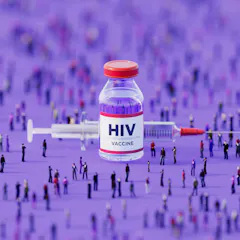
Africa’s investment into research and development is far below the global average.
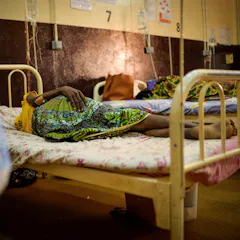
Each life lost to Aids is a life too many. As donor funds dry up, Africa needs new ways to fight this epidemic.

PrEP can reduce the risk of sexually transmitted HIV infection by 99%. Discrimination and distrust are two barriers Black gay men face in accessing this lifesaving treatment.
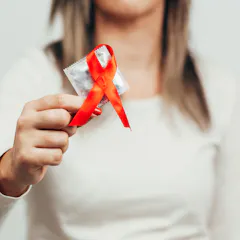
Despite higher than average rates of HIV infection, Hispanic women have relatively low awareness of PrEP, an effective HIV-prevention medication.
A breakthrough drug is a significant step forward in the fight against HIV. But without changes in behaviour, infection rates won’t come down.

Funding announced in this week’s federal budget moves Australia closer to eliminating HIV.
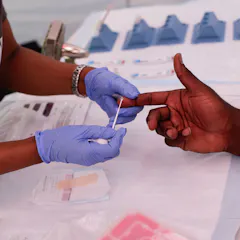
When appropriate care is available, several studies have shown, gay Black men are more likely to test themselves for HIV and engage in less risky sexual behaviors than gay men of other races.
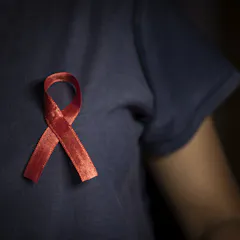
Two-thirds of new HIV infections are among gay and bisexual men. Although cases have decreased among white men, they have stagnated among communities of color.
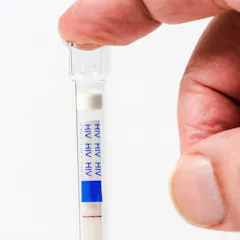
Many people at heightened risk for HIV have never been tested. Those who have self-tested for HIV often don’t go on to receive care or change their sexual behavior.

On the basis of government appointment technicalities and religious freedom, Americans may lose free coverage for cancer and blood pressure screenings, HIV prevention medication and other essential services.
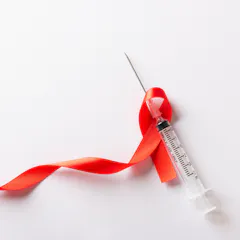
The next step in HIV prevention — long-acting injectable pre-exposure prophylaxis (PrEP) — is not yet available in Canada, a year after its approval in the U.S.
Top contributors
-

Professor of medicine and deputy director of the Desmond Tutu HIV Centre at the Institute of Infectious Disease and Molecular Medicine, University of Cape Town
-
Associate Professor of Health Law, Policy and Management, Boston University
-
Associate Professor, Public Health Ethics, School of Population Health, UNSW
-
Assistant Professor of Social, Behavioral and Population Sciences, Tulane University
-
Assistant Professor of Public Health, University of Iowa
-
Post-doctoral researcher, KEMRI-Wellcome Trust Research Program, Kenya Medical Research Institute
-
Lecturer in Public Health and Primary Care, Bangor University
-
Professor, School of Health Sciences, University of Northern British Columbia; University of Victoria
-
Associate professor in Health Psychology, University of Copenhagen
-
Associate Professor and Director: Research at the Wits Reproductive Health and HIV Institute I, University of the Witwatersrand
-
Research Director at Donald Gordon Medical Centre, University of the Witwatersrand
-
Assistant Lecturer, University of Warwick
-
Momentum Postdoctoral Fellow, BC Centre for Excellence in HIV/AIDS, University of British Columbia
-
Professor of Infectious Diseases, Monash University
-
PhD candidate, Ghent University