
CRISPR gene editing should learn from the Slow Food movement. Scientists must allow time for critical conversations and perfecting of techniques before rewriting the source code of humanity.
Articles on Genome
Displaying 101 - 120 of 208 articles
Despite the fact that rare diseases aren’t actually so rare, it appears they suffer from a branding problem in Canada.
The NHS’s plan to offer genome sequencing to the general public, for a fee, raises many important questions.

Researchers find 351 genetic variants associated with a person’s chronotype. Before this study, we knew of only 24.
Genes aren’t destiny, but you don’t need epigenetics to make the case.
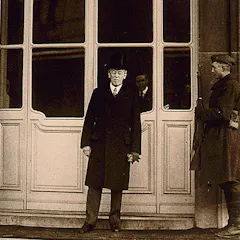
While negotiating the end of the First World War at the Versailles Peace Conference, U.S. President Woodrow Wilson collapsed. Was it a neurological disorder associated with the Spanish Flu?

Scientists edge closer to truly personalised medicine thanks to advances in genome sequencing.
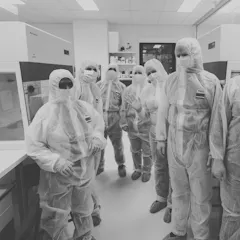
Museums around the world hold remains of Aboriginal people that were often taken without permission and in the absence of accurate records. New DNA methods may help return these items to country.
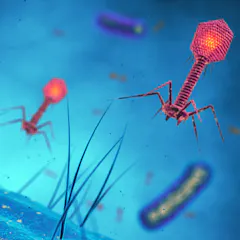
Gene editing through CRISPR may have greater consequences than climate change or unleashing the energy of the atom.

A unique model of journalism based on academic research and fact-based analysis is now being published in both of Canada’s official languages
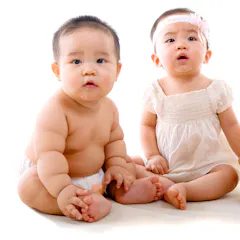
Chinese researcher, Jainkui He claims to have created the world’s first genome-edited twins. Such action would pose unknown risks to the lives of these children and to humanity as a whole.
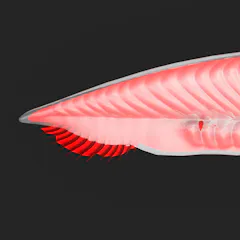
The marine creature amphioxus allows scientists to explore some of the steps that took place as simple creatures evolved to become complex animals.
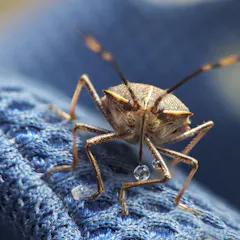
With the onset of cooler temperatures and shorter days, some insects pack-up and migrate to warmer climates. Others, including stink bugs, take up residence in our homes.

Body mass index is often used to gauge health. But there may be more accurate measures. A report on your blood metabolites, your metabolome, may distinguish healthier-obese from sicker-obese.

New genetic knowledge about cane toads could give us the knowledge we need to throw some more roadblocks in front of this persistent invader as it marches across Australia.
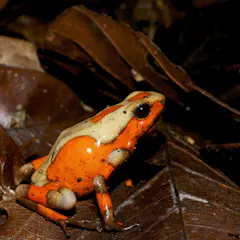
With their jewel-like colours, Colombia’s poison frogs are coveted by collectors. Does naming their species help protect them or make them a target for trophy hunters?
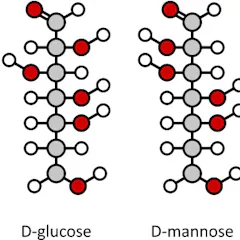
You’ve heard of the genome, and possibly the proteome – all the proteins in the human body. But have you heard about the glycome – the collection of sugars – that may hold the key to diagnosing disease?

There are many reasons why scientists collaborating with artists makes sense, now more than ever.
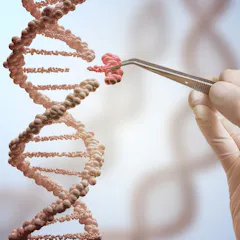
A new study found the Cas9 gene editing scissors don’t stop cutting after we tell them to.
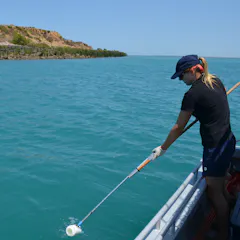
DNA sequencing means a scientist can take a bucket of seawater and ID every fish in the area. Now we need a universal ‘biobank’ of samples to make a truly powerful environment monitoring tool.
Top contributors
-

Distinguished Research Professor, Emerita, Dalhousie University
-
Emeritus Robert Reford Professor and Professor of Medicine, McGill University
-
Professor, Chemistry and Biochemistry, Laurentian University
-
Vanier Scholar and Ph.D. Candidate in Microbiology and Immunology, Dalhousie University
-
Junior Fellow, MacEachen Institute for Public Policy and Governance; Medical Student, Dalhousie University
-
Distinguished Research Professor, Dalhousie University
-
Professor and Chair of Genomic Diversity, Queen Mary University of London
-
Associate Professor and Canada Research Chair, Department of Chemistry and Biochemistry, University of Lethbridge
-
Principal Scientist and Canada Research Chair in Zoonotic Virus and Animal Reservoirs at the Vaccine and Infectious Disease Organization and Co-Lead of One Health at the University of Saskatchewan, University of Saskatchewan
-
Professor in Medicine, Ethics and Society, University of Warwick
-
Masters Student, Biomolecular Interactions and Biophysical Modelling of RNA viruses, University of Lethbridge
-
Reader in Genetics, University of Aberdeen
-
Assistant Professor/Canada Research Chair in emerging viruses, University of Manitoba
-
Professor of Medicine and Vice President, Research, McMaster University
-
Doctoral Student in Biochemistry, University of Washington