
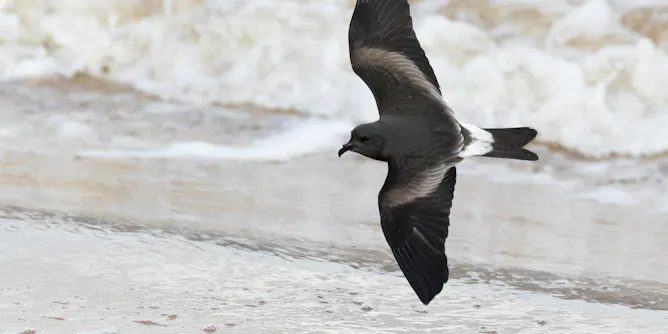
Seabird colonies are thought to be in rapid decline. But knowing just how severe the loss is can be a challenge, so some scientists are turning to bird poop for the answer.
Articles on Genome
Displaying 61 - 80 of 208 articles

In the disturbing scenario of human-to-mink-to-human COVID-19 transmission, the virus may mutate in mink prior to re-infecting people. That possibility makes vaccine design even more crucial.

Jumbo squids live in extreme environments. Tiny genetic modifications allow them to move back and forth from the surface of the ocean to its bottom, killing and eating everything in their path.
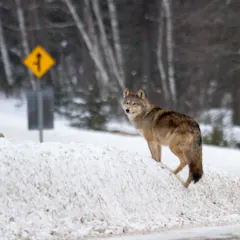
A recovery plan for the threatened Algonquin wolf should have been in place two years ago. Recent amendments to the Endangered Species Act mean the Algonquin wolf faces an uncertain future.

As mountain goats face pressures from climate change and human disturbance, analyzing their genome provides useful information on their ecology and evolution.
COVID-19 tests rely on a process developed at a biotech company co-founded by a Canadian. Canada’s current testing expertise needs to be channelled to prepare for the next wave, and the next pandemic.

Pluralism — the active process of inclusion — could reduce disparities in some of the most pressing health issues of our time.
Countries closed their borders in response to COVID-19, but international cooperation and technology sharing could improve recovery against pandemics and potential bioterrorist attacks.

The smallpox virus appears to have been with humanity for millennia before a global vaccination drive wiped it out. Current genome research suggests how smallpox spread and where it came from.
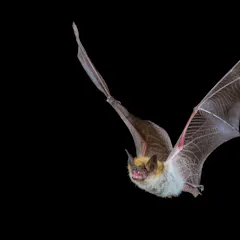
Bats get a lot of negative press, but they also make positive contributions to the environment and to our lives.
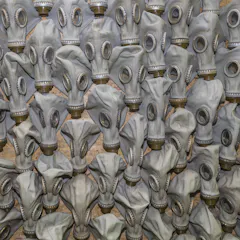
As the COVID-19 pandemic exacerbates global economic and health insecurities, opportunities to emulate the pandemic’s effects with bioweapons affords terrorists a new model.
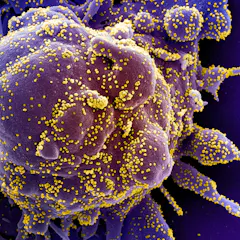
Fundamental research has informed what we know about coronaviruses up until the pandemic. With possible future outbreaks, continuing and developing this type of work is crucial.
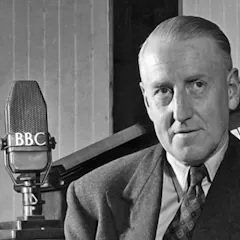
During the Second World War, anxious but also bored BBC listeners found comfort in the soothing sounds of Sandy Macpherson, Canadian-born organist.
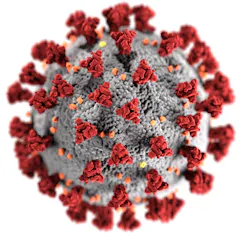
By isolating SARS-CoV-2, the virus responsible for COVID-19, researchers can now work on developing tests, treatments and vaccines in Canada.
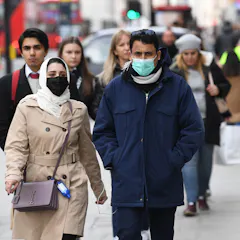
It might protect thousands of people.

PODCAST: The second episode of our series on the personalisation of healthcare focuses on your diet.
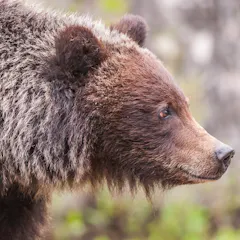
Information collected from DNA samples can be used to identify species, track their movements and diagnose genetic diseases. This information is useful in conservation and management projects.

Genome sequencing technologies have transformed biological research in many ways, but have had a much smaller effect on the treatment of common diseases.

Social media has allowed researchers around the world to collaborate and co-ordinate their efforts to fight the outbreak and contain its spread.

Trust in our global food supply chains remains a concern. For the foreseeable future, much of Canada’s food fraud remains hidden in plain sight, sitting right there on our grocery store shelves.
Top contributors
-

Distinguished Research Professor, Emerita, Dalhousie University
-
Emeritus Robert Reford Professor and Professor of Medicine, McGill University
-
Professor, Chemistry and Biochemistry, Laurentian University
-
Vanier Scholar and Ph.D. Candidate in Microbiology and Immunology, Dalhousie University
-
Junior Fellow, MacEachen Institute for Public Policy and Governance; Medical Student, Dalhousie University
-
Distinguished Research Professor, Dalhousie University
-
Professor and Chair of Genomic Diversity, Queen Mary University of London
-
Associate Professor and Canada Research Chair, Department of Chemistry and Biochemistry, University of Lethbridge
-
Principal Scientist and Canada Research Chair in Zoonotic Virus and Animal Reservoirs at the Vaccine and Infectious Disease Organization and Co-Lead of One Health at the University of Saskatchewan, University of Saskatchewan
-
Professor in Medicine, Ethics and Society, University of Warwick
-
Masters Student, Biomolecular Interactions and Biophysical Modelling of RNA viruses, University of Lethbridge
-
Reader in Genetics, University of Aberdeen
-
Assistant Professor/Canada Research Chair in emerging viruses, University of Manitoba
-
Professor of Medicine and Vice President, Research, McMaster University
-
Doctoral Student in Biochemistry, University of Washington