
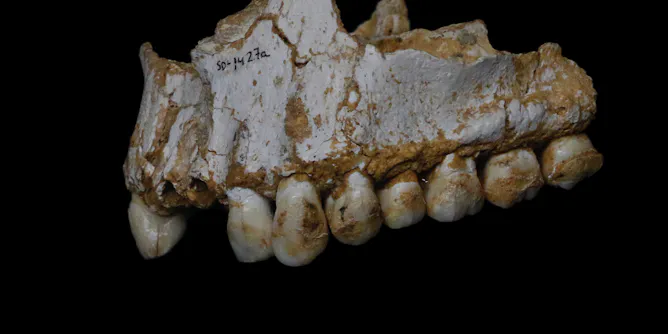
Neanderthals had a very varied diet based on what foods were available to them where they lived. They also knew what to eat when they were sick.
Articles on Genome
Displaying 161 - 180 of 208 articles
A new report from the National Academies of Science and Medicine outlines conditions that have to be met before gene editing that results in heritable genomic changes can be considered.
Genomes can reveal a lot about disease risk. But people need to think carefully about what they want to know.

Scientists have sequenced the seahorse’s genome and found the genes that could explain male pregnancy.
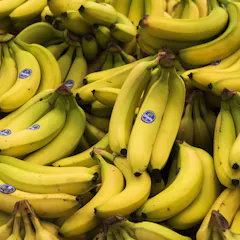
Every single Cavendish banana plant worldwide is genetically identical. This vast monoculture sets them up for disastrous disease outbreaks. But researchers have ideas on how to protect the crop.
The answer – fewer than are in a banana – has implications for the study of human health and raises questions about what generates complexity anyway.

Our knowledge of diseases is growing exponentially, but turning knowledge into cures is proving to be a tricky business.
A new study shows that by using genomics, you can cut down the lengthy process of testing for drug-resistance TB to a matter of days.
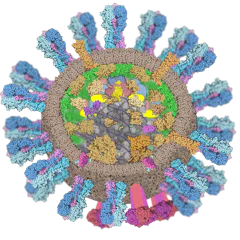
Understanding how the flu virus copies itself could open a way to killing it.
It seems like a no brainer to edit out genetic disease…until we pause to consider what would be lost.
The movie Gattaca’s warnings about using advances in genetics for eugenics proved wide of the mark. It’s time people woke up to this.
How has a retrovirus survived intact within the human genome for millennia, and how has it affected us?
Scientists used to think that the 98% of human DNA that didn’t encode proteins was junk. They don’t think that anymore.
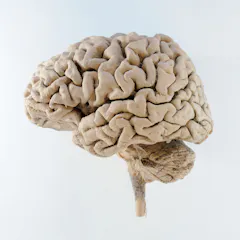
Many of the genes and transcripts associated with schizophrenia are only found in humans, which makes studying the disorder difficult. But scientists are slowly making progress.

The biology and ethics of gene editing, explained by scientists.
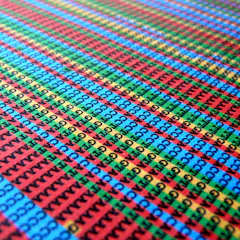
Modern biological research relies on big data analytics. Vast reservoirs of memory and powerful computing ability mean machines find patterns and make meta-analyses and even predictions for scientists.

Personalised medicine is based on the idea that by understanding the specific molecular code of a person’s disease, and particularly its genetic makeup, we can more accurately tailor treatment.
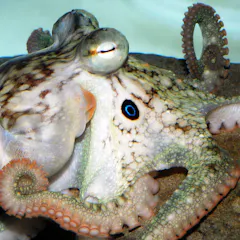
A peek inside the genome of the octopus gives some hints as to what makes it such a remarkable creature is so many ways.

What if you could take a simple test to reveal your individual risk of developing a range of cancers and hundreds of other diseases?
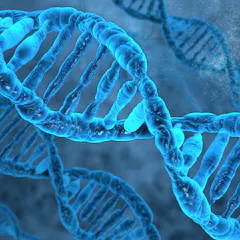
We are entering a new age of genome sequencing, but we have to draw some ethical lines
Top contributors
-

Distinguished Research Professor, Emerita, Dalhousie University
-
Emeritus Robert Reford Professor and Professor of Medicine, McGill University
-
Professor, Chemistry and Biochemistry, Laurentian University
-
Vanier Scholar and Ph.D. Candidate in Microbiology and Immunology, Dalhousie University
-
Junior Fellow, MacEachen Institute for Public Policy and Governance; Medical Student, Dalhousie University
-
Distinguished Research Professor, Dalhousie University
-
Professor and Chair of Genomic Diversity, Queen Mary University of London
-
Associate Professor and Canada Research Chair, Department of Chemistry and Biochemistry, University of Lethbridge
-
Principal Scientist and Canada Research Chair in Zoonotic Virus and Animal Reservoirs at the Vaccine and Infectious Disease Organization and Co-Lead of One Health at the University of Saskatchewan, University of Saskatchewan
-
Professor in Medicine, Ethics and Society, University of Warwick
-
Masters Student, Biomolecular Interactions and Biophysical Modelling of RNA viruses, University of Lethbridge
-
Reader in Genetics, University of Aberdeen
-
Assistant Professor/Canada Research Chair in emerging viruses, University of Manitoba
-
Professor of Medicine and Vice President, Research, McMaster University
-
Doctoral Student in Biochemistry, University of Washington