

Precision medicine is all the rage, but it may only be effective at treating less common diseases.
Articles on Genome
Displaying 81 - 100 of 208 articles
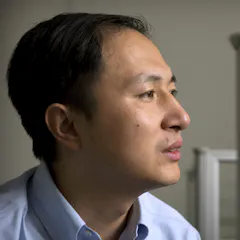
The scientist who announced the world’s first genome-edited twins received a prison sentence and a large fine for his research. But the systems that enabled him have not been held to account.

DNA testing kits will be a popular gift this holiday season. Before mailing off your saliva, it’s important to understand what these kits can and cannot tell us.
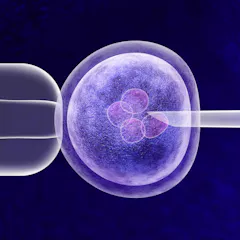
One year after the first CRISPR babies were announced, changes in policies and regulations have meant that there have been no new CRISPR announcements since.

Africa is known to be where humans originated. This makes it the most genetically diverse region in the world. Diversity in other populations represents a subset of the diversity within Africa.

How many genes do you really need? Are there any that we can lose? Researchers are now identifying species that have streamlined their genome to adapt to a particular lifestyle.
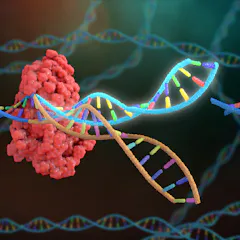
CRISPR technology is continually improving to make it more specific, but serious consideration should be given to when and how CRISPR is safe for gene editing.
Health data gathered without the patient’s consent can provide valuable information; however, transparency is crucial to maintain trust.
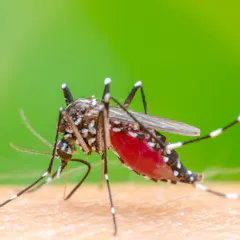
Genetically modified mosquitoes were released in Brazil in an attempt to halt the spread of dengue fever by reducing the mosquito population.

Science communication online is important to the intellectual work of scientists.

Pesticides have become almost essential for agriculture, but their misuse can have negative effects on crops too.
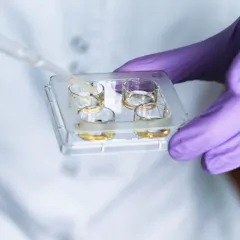
CRISPR technology could have momentous effects if it’s used to edit genes that will be inherited by future generations. Researchers and ethicists continue to weigh appropriate guidelines.
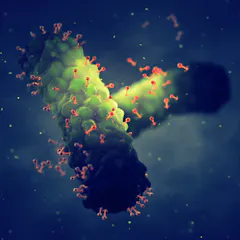
While some viruses make us sick, others can fight against bacteria, or protect us from more harmful viruses.
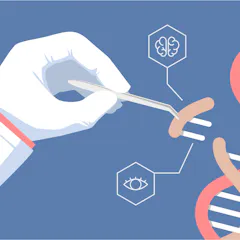
A Russian scientist is preparing to do germline gene editing. Here’s why that’s a problem.

Global phosphate production is set to peak in 2030, around the same time the world’s population will reach nine billion. As a finite resource, a phosphate shortage will effect global food production.
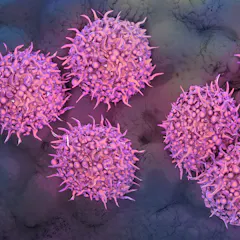
Thomas Durcan’s lab is growing 3D mini-brains in the search for a cure for Parkinson’s disease. Over the next year he is giving all his lab’s protocols, methods and results away.

New research investigated who uses the wide array of tools available to people who’ve received their own raw genetic data and want to maximize what they learn from it.

As DNA testing becomes cheaper, it becomes more feasible to screen large numbers of healthy people for their risk of disease.

Yeast isn’t just important for the foods we consume. A rogue lineage of yeast species that evolves faster than any other is revealing secrets that may help illuminate the molecular causes of cancer.
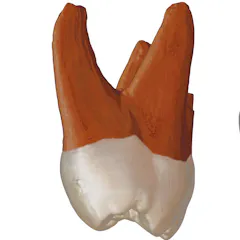
A Neanderthal tooth was discovered in Serbia. This finding helps to fill gaps in the human fossil record of this important geographical region.
Top contributors
-

Distinguished Research Professor, Emerita, Dalhousie University
-
Emeritus Robert Reford Professor and Professor of Medicine, McGill University
-
Professor, Chemistry and Biochemistry, Laurentian University
-
Vanier Scholar and Ph.D. Candidate in Microbiology and Immunology, Dalhousie University
-
Junior Fellow, MacEachen Institute for Public Policy and Governance; Medical Student, Dalhousie University
-
Distinguished Research Professor, Dalhousie University
-
Professor and Chair of Genomic Diversity, Queen Mary University of London
-
Associate Professor and Canada Research Chair, Department of Chemistry and Biochemistry, University of Lethbridge
-
Principal Scientist and Canada Research Chair in Zoonotic Virus and Animal Reservoirs at the Vaccine and Infectious Disease Organization and Co-Lead of One Health at the University of Saskatchewan, University of Saskatchewan
-
Professor in Medicine, Ethics and Society, University of Warwick
-
Masters Student, Biomolecular Interactions and Biophysical Modelling of RNA viruses, University of Lethbridge
-
Reader in Genetics, University of Aberdeen
-
Assistant Professor/Canada Research Chair in emerging viruses, University of Manitoba
-
Professor of Medicine and Vice President, Research, McMaster University
-
Doctoral Student in Biochemistry, University of Washington