

Green anacondas are the world’s heaviest snakes, and among the longest. it’s remarkable this hidden species has slipped under the radar until now.
Articles on Genetics
Displaying 121 - 140 of 760 articles

Understanding how the ageing of sperm works in other animals is more important than ever as human male fertility is in decline.

Many people know someone with a genetic disease, but few understand how gene mutations work.

‘Jaws,’ published in 1974, terrified the public of sharks, but it also brought shark research into the scientific mainstream.

Improved understanding of the molecular mechanisms of addiction can change how researchers and clinicians approach treatments.

Genetic analysis reveals one of the teenagers probably had advanced gum disease.

Fruit bats can eat up to twice their body weight in fruit a day. But their genes and cells evolved to process all that sugar without any health consequences − a feat drug developers can learn from.

Did the enormous West Antarctic Ice Sheet collapse the last time global temperatures were 1.5°C above preindustrial levels? The answer lay in the DNA of an octopus.

New research has uncovered the hormone that triggers morning sickness, offering hope for millions of women.
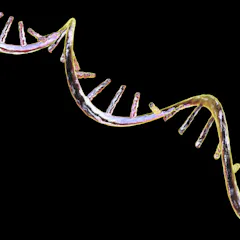
When just one of the thousands of microRNAs in people go awry, it can cause diseases ranging from heart disease to cancer.

Cranberries add color and acidity to Thanksgiving menus, but they also have many interesting botanical and genetic features.

And a recent history of wildcat hybridisation.
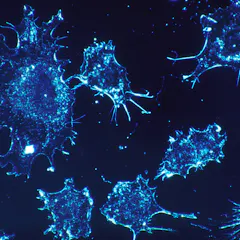
From math to evolutionary game theory, looking at cancer through different lenses can offer further insights on how to approach treatment resistance, metastasis and health disparities.

Our online data is inevitably intertwined with the data of others. Current protections are ill-equipped to address this reality and manage the far-ranging impacts of data breaches.

Despite decades of starts and stops, new treatments and key genetic discoveries are giving researchers great hope for slowing or eventually preventing Alzheimer’s disease.

Genetic testing can help take the guesswork out of finding the right treatment. For certain diseases. To an extent.

Your faithful companion sees the world differently than you do, but it’s a mistake to assume dogs only see black, white and shades of grey.

A failed experiment led the researchers to question their assumptions and realize that, contrary to popular belief, chromosomes interact with and affect genetic expression.

We can predict hair and eye colour with reasonable accuracy from DNA, but other characteristics are being investigated.

New research sheds light on the interconnected nature of the human genome and what this means for future gene therapies.
Top contributors
-
 Jenny Graves is a Friend of The Conversation.
Distinguished Professor of Genetics and Vice Chancellor's Fellow, La Trobe University
-
Chair, The Conversation Media Group
-
Deputy Director, Twins Research Australia & Professor in Genetics and Cell Biology, Deakin University
-
Postdoctoral researcher in genetics, University of Leicester
-
Professor of Genetic Epidemiology, King's College London
-
Head, Molecular Medicine Laboratory, WEHI (Walter and Eliza Hall Institute of Medical Research)
-
Emeritus Professor of Animal Genetics, University of Sydney
-
Professor of Marine Biology and Aquaculture, James Cook University
-
Matthew Flinders Professor of Biodiversity Genomics, Flinders University
-
Lecturer, School of Sport, Rehabilitation and Exercise Sciences, University of Essex
-
Professor of Biogerontology, University of Brighton
-
Adjunct Professor, Murdoch University
-
Assistant Professor in Biomedical Ethics, National University of Singapore
-
Director of Bruce Lefroy Centre for Genetic Health Research, Murdoch Children's Research Institute
-
Professor, Chemistry and Biochemistry, Laurentian University