
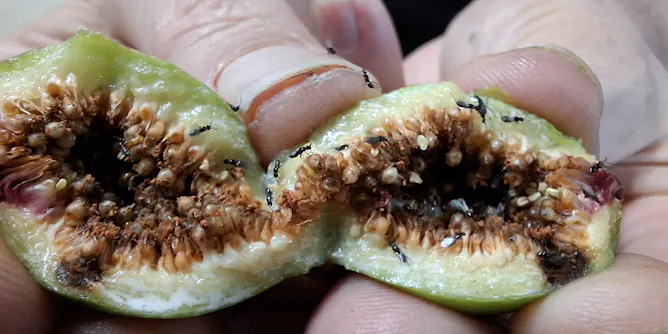
Some wasp species adjust the number of male offspring they produce when sharing fig trees with other wasp species.
Articles on Genetics
Displaying 41 - 60 of 760 articles
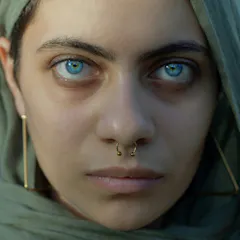
A pigment called melanin that’s found in the iris does most of the work.
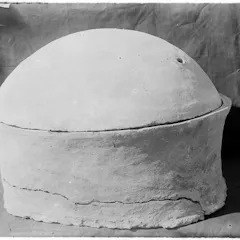
There was previously no direct genetic data from an Egyptian individual of this period.

Functional genomics, which is seeing how genetic variants behave in biological systems through genetic testing, is offering new hope for African cancer patients.
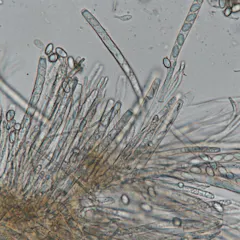
Challenging the long-standing assumption that a cell’s nucleus contains a complete set of chromosomes, recent research reveals that some fungi nuclei only contain half.

Forensic genetics can help us trace the ancestral source of any wine grape – and may lead to bioengineered wines in the future.
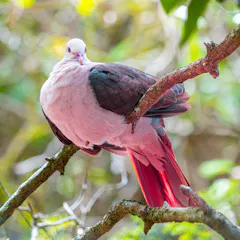
Gene editing could add genetic diversity that can revitalise species on the brink of extinction.

Roses don’t look beautiful by accident - humans and nature have shaped them.

Cancer rates are rising among younger people aged under 50. Here’s what we know about the causes – and what the evidence says about the role of plastics.

Scientists have found a gene that is linked to noisier cats.

Researchers discovered a previously unknown function of RNA, potentially opening the door to new ways to treat cancer and neurodegenerative diseases.

New genetic research has traced the paternal line of Poland’s first royal dynasty, challenging long-held national traditions about the origins of the Piasts.
We may have complex brains but evolution hasn’t dealt us the best hand when it comes to genetics.

A small proportion of people can do well on only a few hours of sleep a night. Here’s why that might be.
Figuring out whether de-extinction is possible is as much a technical puzzle as a philosophical one. Add two kinds of DNA to the mix, and it gets even more complex.

Environmental factors such as lifestyle and the medications you take influence the effects your genes have on your body − and can clarify how diseases develop.

Researchers examined the DNA of over 53,000 people with OCD and over 2 million people without OCD, gathering data that could one day improve treatment.

Twins Bridgette and Paula Powers have gone viral for the way they speak in unison, using the same gestures and words.
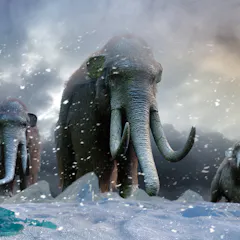
Are new approaches to recreating long-lost animals simply creating imitations?
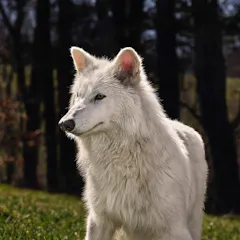
The animals are an imitation, but the technology used to create them could have wide-ranging applications.
Top contributors
-
 Jenny Graves is a Friend of The Conversation.
Distinguished Professor of Genetics and Vice Chancellor's Fellow, La Trobe University
-
Chair, The Conversation Media Group
-
Deputy Director, Twins Research Australia & Professor in Genetics and Cell Biology, Deakin University
-
Postdoctoral researcher in genetics, University of Leicester
-
Professor of Genetic Epidemiology, King's College London
-
Head, Molecular Medicine Laboratory, WEHI (Walter and Eliza Hall Institute of Medical Research)
-
Emeritus Professor of Animal Genetics, University of Sydney
-
Professor of Marine Biology and Aquaculture, James Cook University
-
Matthew Flinders Professor of Biodiversity Genomics, Flinders University
-
Lecturer, School of Sport, Rehabilitation and Exercise Sciences, University of Essex
-
Professor of Biogerontology, University of Brighton
-
Adjunct Professor, Murdoch University
-
Assistant Professor in Biomedical Ethics, National University of Singapore
-
Director of Bruce Lefroy Centre for Genetic Health Research, Murdoch Children's Research Institute
-
Professor, Chemistry and Biochemistry, Laurentian University