

A healthy heart can still hide a fatal electrical fault. Genetic testing is helping families uncover the hidden risk behind sudden adult death syndrome.
Articles on Genetic testing
Displaying 1 - 20 of 108 articles

If you had your appendix out recently, does your insurer need to know? Different rules apply depending on the type of insurance. Here’s what you need to know.

The International Olympic Committee has announced eligibility for women’s events will be determined by a “once-in-a-lifetime” sex test.

Companies are profiting from parental anxiety while providing questionable benefits from these tests. Here’s what we know so far.
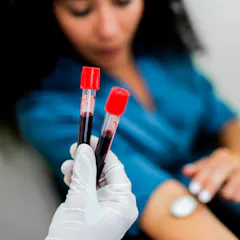
People could take a genetic test to gauge their future risk of disease without worrying their life insurers would penalise them.
Pharmacogenomic testing can tell how a drug is likely to work in a certain person. But is it ready for rolling out to the wider population?

A study of more than 400,000 people found 1% had never had sex – which was linked to a range of genetic, environmental and other factors.

Functional genomics, which is seeing how genetic variants behave in biological systems through genetic testing, is offering new hope for African cancer patients.

The promise and peril of sequencing every baby’s genome.
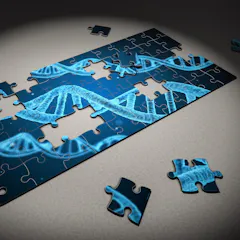
By understanding a patient’s unique genetic profile, biomarker readings and lifestyle information, doctors could tailor the most effective and safest treatments for that individual.
As 23andMe struggles financially, it’s a good time to reconsider issues on privacy, use, and commercialization of genetic information.

New genetic research shows dingoes are not breeding with domestic dogs in the wild. But that could change if lethal control measures continue to decimate populations in Victoria.

Comprehensive genetic testing can provide a more timely and accurate diagnosis and personalised support for autistic individuals and their families.

Cell-free DNA prenatal screening, sometimes called ‘the gender test,’ cannot determine gender because gender is more than just genes and genitals.

Many people may assume New Zealand’s native birds arrived via Australia. But our new research on the Auckland Island merganser shows they originated from much further away.
Genomic research stands to help develop new medical treatments – and we need donations of lots of data for this to work. But people don’t want data on their genes to be exploited for profit.

Functional precision medicine works to take the guesswork out of deciding which drug to try next for patients with cancers that don’t respond to standard treatments.

Canada needs additional regulation, developed through public consultations, stakeholder collaborations and community partnerships, to help regulate genetic testing and prevent genetic discrimination.

People with intellectual disability told us they often felt cut out of their own health appointments, as healthcare practitioners spoke to their support person or family instead of to them.
Family history may be the most important thing to take into account when it comes to breast cancer risk.
Top contributors
-

Ethical, Legal & Social Adviser in Public Health Genomics, Monash University
-
Head, Public Health Genomics Program, Monash University
-
Executive Director, Melbourne Genomics Health Alliance
-
Professor of Anthropology, Deakin University
-
Adjunct Senior Research Fellow, Global and Women's Health, School of Public Health & Preventive Medicine, Monash University
-
Lorenzo and Pamela Galli Chair in Developmental Medicine, Murdoch Children's Research Institute
-
Associate Professor, School of Law, University of Canberra
-
Associate Professor in Law, University of Leicester; University of Oxford
-
Associate Professor of Law, Bond University
-
Research Professor of Epidemiology, Emory University
-
Director of Bruce Lefroy Centre for Genetic Health Research, Murdoch Children's Research Institute
-
Reader in Genetics, University of Aberdeen
-
Professor, The University of Queensland
-
Professor of Health Economics and Director, Centre for Health Economics Research and Evaluation, University of Technology Sydney
-
Professor, The University of Melbourne