

DNA contains all the instructions needed to make your body work.
Articles on Genetics
Displaying 201 - 220 of 760 articles
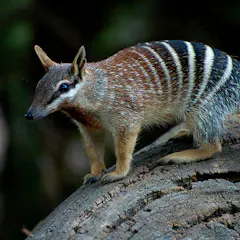
The numbat is one of the Tasmanian tiger’s closest surviving relatives. And its newly sequenced genome raises the possibility of piecing together the genetic code of its extinct fellow marsupial.

Our feelings about nature depend on lots of factors, but a new study shows our genes are one of the most important.

Cases of the Omicron sub-variant BA.2 are now in Australia. While there’s no evidence it causes more severe disease than the original Omicron, early research suggests it’s more transmissible.
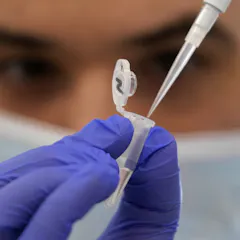
A medical genomics professor reflects on how lab simulations offer some advantages for student learning, but developing the muscle memory of performing hands-on lab work is important.
How to make sense of ‘polygenic’ risk scores.
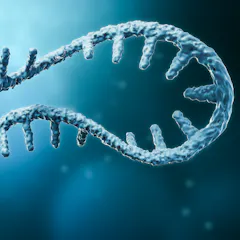
DNA and mRNA vaccines produce a different kind of immune response than traditional vaccines, allowing researchers to tackle some previously unsolvable problems in medicine.

Whether it’s a special treat or family traits, children’s risk of being overweight or obese is strongly linked to their grandparents.

The politically ambitious Sisulu’s most recent campaigning grenade came in her cynical attack on the country’s constitution and judiciary.

Genes and environments almost always combine to influence our risk of diseases. Research in twins has helped us understand how.

Our findings also have potential implications for the identification and treatment of irritable bowel syndrome.

Two-thirds of autism research funding in New Zealand is directed at biology and genetics. The autism community says improving support services and quality of life should be the priorities.

Many centenarians haven’t lived healthy lives, so are they genetically different?

Having strong social support and a sense of belonging buffered and even reversed some of the harmful effects of stress on genes.

Analyzing the genes that determine hair colour can shed light on other conditions that are affected by melanin production, like vitiligo.

Our genomes are built from the tiny chromosomes of a small spineless creature that lived 684 million years ago.

Our analysis showed 13 genes that were directly responsible for influencing how certain people adapted to different types of exercise.

Mangroves grow in saltwater along tropical coastlines, but scientists have found them along a river in Mexico’s Yucatan, more than 100 miles from the sea. Climate change explains their shift.

Australia risks being left behind in the genomic medicine revolution by failing to protect individuals from genetic discrimination.
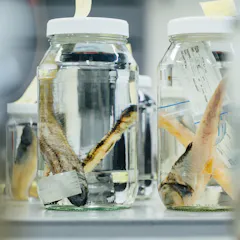
Recovering historical genetic data has been severely impeded by the methods used to preserve specimens, from dried butterfly wings to platypus bills floating in alcohol.
Top contributors
-
 Jenny Graves is a Friend of The Conversation.
Distinguished Professor of Genetics and Vice Chancellor's Fellow, La Trobe University
-
Chair, The Conversation Media Group
-
Deputy Director, Twins Research Australia & Professor in Genetics and Cell Biology, Deakin University
-
Postdoctoral researcher in genetics, University of Leicester
-
Professor of Genetic Epidemiology, King's College London
-
Head, Molecular Medicine Laboratory, WEHI (Walter and Eliza Hall Institute of Medical Research)
-
Emeritus Professor of Animal Genetics, University of Sydney
-
Professor of Marine Biology and Aquaculture, James Cook University
-
Matthew Flinders Professor of Biodiversity Genomics, Flinders University
-
Lecturer, School of Sport, Rehabilitation and Exercise Sciences, University of Essex
-
Professor of Biogerontology, University of Brighton
-
Adjunct Professor, Murdoch University
-
Assistant Professor in Biomedical Ethics, National University of Singapore
-
Director of Bruce Lefroy Centre for Genetic Health Research, Murdoch Children's Research Institute
-
Professor, Chemistry and Biochemistry, Laurentian University