

A new study isolated DNA from the tumours of 500 cats across 13 different tumour types and mapped the sequence of 1,000 genes often found mutated in human cancers.
Articles on Genetics
Displaying 21 - 40 of 760 articles
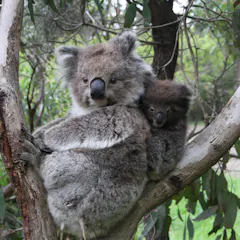
Population crashes are dangerous and can be irreversible. But new research shows they are not always an evolutionary dead end.
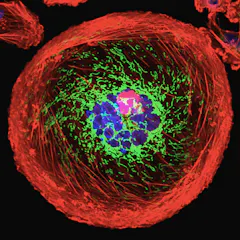
Your body has trillions of cells. But a gene mutation in just one of them could prove fatal.

New research suggests cancer develops through detectable biological changes years before a tumour forms.
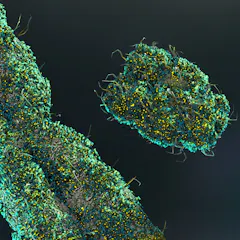
The Y chromosome doesn’t seem to do much except determine sex – but its loss in older men might be linked to heart disease, cancer and Alzheimer’s.

Researchers are embarking on the RNA equivalent of the Human Genome Project, including sequencing all the chemical modifications that make cells unique.

New research estimates genetic heritability of lifespan at 50% – double previous estimates.

You can’t spot an aggressive dog just from its looks or breed. Genetic testing could better predict which dogs will bite.
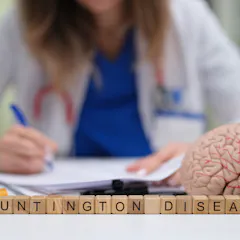
Sadly, there is no cure for Huntington’s disease. But a couple new research papers suggests this may be about to change.

A new study shows the woolly rhino was not the inbred, genetically doomed species scientists had thought.
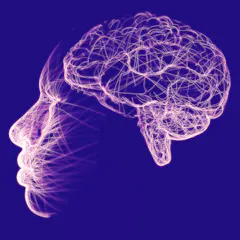
Some children recover better after traumatic brain injury than others, despite appearing similarly to doctors. Looking at the genetic and cellular level, however, reveal key differences.
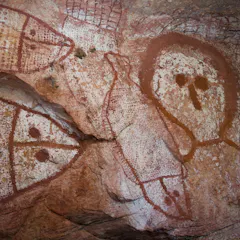
New research confirms humans first reached the Sahul super-continent by two different routes around 60,000 years ago.

Cloning is not only expensive, it also comes with health and welfare risks for the cloned animal.

People could take a genetic test to gauge their future risk of disease without worrying their life insurers would penalise them.

You may have more in common with your pet than you may think.

Just like everyone and everything else that was already in Australia when the First Fleet arrived in 1788, dingoes had to adapt to their new reality.

Ethical guidelines for ancient DNA need to protect past, present and future generations.
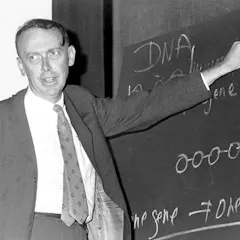
James Dewey Watson is best known for his Nobel Prize-winning discovery of the structure of DNA. Controversy around who should be credited highlights the challenges of scientific collaboration.

New data reveals differences in gene activity in the brains of men and women. They start in the womb and evolved millions of years ago

Your DNA contains millions of genetic variants that interact with each other in ways that affect whether diseases such as schizophrenia and heart disease develop, and with what severity.
Top contributors
-
 Jenny Graves is a Friend of The Conversation.
Distinguished Professor of Genetics and Vice Chancellor's Fellow, La Trobe University
-
Chair, The Conversation Media Group
-
Deputy Director, Twins Research Australia & Professor in Genetics and Cell Biology, Deakin University
-
Postdoctoral researcher in genetics, University of Leicester
-
Professor of Genetic Epidemiology, King's College London
-
Head, Molecular Medicine Laboratory, WEHI (Walter and Eliza Hall Institute of Medical Research)
-
Emeritus Professor of Animal Genetics, University of Sydney
-
Professor of Marine Biology and Aquaculture, James Cook University
-
Matthew Flinders Professor of Biodiversity Genomics, Flinders University
-
Lecturer, School of Sport, Rehabilitation and Exercise Sciences, University of Essex
-
Professor of Biogerontology, University of Brighton
-
Adjunct Professor, Murdoch University
-
Assistant Professor in Biomedical Ethics, National University of Singapore
-
Director of Bruce Lefroy Centre for Genetic Health Research, Murdoch Children's Research Institute
-
Professor, Chemistry and Biochemistry, Laurentian University