

Lp(a) isn’t included in routine cholesterol tests but it can affect your risk of developing heart disease or having a stroke.
Articles on Genetic risk
Displaying 1 - 20 of 23 articles

Functional genomics, which is seeing how genetic variants behave in biological systems through genetic testing, is offering new hope for African cancer patients.

Two genomic variants contribute to the risk of breast cancer in black South African women.

This study confirms what many smaller studies have previously shown about the role genetics plays when it comes to Alzheimer’s disease.
Our study turns a common way of thinking about depression on its head, which may influence how people are treated.
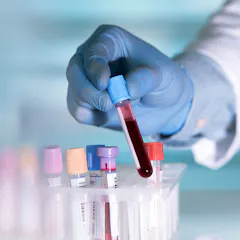
These blood tests results need care when interpreting, and they can not they predict how the disease will affect each person.

New genetic studies claim to be able to foretell our intelligence or predisposition to certain diseases. But two scientists beg to disagree, reminding us that not everything is written in our DNA.

A look at the risk factors behind the increasing cases of early-onset cancer.

Non-invasive prenatal testing can assess risk for genetic anomalies in a fetus. But interpreting risk levels is highly personal, as a study on Reddit discussions shows.
Privacy concerns that emerged since law enforcement started mining the databases have put such a serious dent in the business that both Ancestry.com and 23andMe have reduced employees significantly.

Every human carries an instruction booklet with a very special code, called DNA. Our eyes cannot read the code, but our bodies can. The code tells our body what to do and how to look.

Genetics is influencing more and more of our decisions, but we can’t make the right choices if we don’t understand it.

More people are sending off saliva samples to find out about their genetic roots. But the raw DNA results go way beyond genealogical data – and could deliver unintended consequences.

When you send off a cheek swab to one of the private genome companies, you may sacrifice not just your own privacy but that of your family and your ancestors.

Having very high levels of HDL is associated with increased mortality. But that doesn’t mean it’s not ‘good cholesterol’.

We may be heading for a future where it will be considered immoral to have a child with a partner who isn’t ‘genetically compatible’.

Genetic testing is revealing important information about disease risks, and consumers can now pay for a test to know their risk. They might be better off if their doctors considered these risks, too.
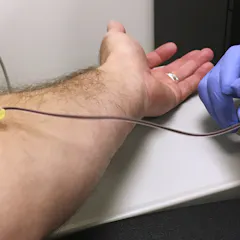
New regulations for research with human blood and tissue try to balance scientific progress with patient privacy.

Medical tourism for assisted reproductive technologies raises a host of legal and ethical questions.

Dozens of factors are at play.
Top contributors
-

Professor of Medicine, Dartmouth College
-
Chair Professor, Michigan State University
-
Postdoctoral Associate in Science and Society, Duke University
-
Research Fellow, Division of Psychological Medicine and Clinical Neurosciences, Cardiff University
-
Assistant Professor of Bioinformatics and Integrative Biology, UMass Chan Medical School
-
AIR Teaching Fellow, Goldsmiths, University of London
-
Professor Emeritus, Center for Bioethics and Social Sciences in Medicine, University of Michigan
-
Professor in Medicine, Ethics and Society, University of Warwick
-
Research Professor of Epidemiology, Emory University
-
Research Fellow, Institute for Molecular Bioscience, The University of Queensland
-
Wantz Professor of Bioethics, University of Michigan
-
Associate Professor of Community Health Sciences, Boston University
-
Associate Professor in Biology and Biomedical Science, Aston University
-
Associate Clinical Professor, Case Western Reserve University
-
Senior Research Fellow in Youth Mental Health, Brain and Mind Centre, University of Sydney