

As dogs age, their brains undergo similar changes to human brains, making them a valuable natural model to study dementia and other neurodegenerative diseases.
Articles on Alzheimer's disease
Displaying 1 - 20 of 447 articles

The basics are the same: be respectful and don’t make assumptions. But these practical tips can make conversations more meaningful and less distressing.

The type of menopause and differences between women taking HRT complicate claims about its potential to prevent dementia.

Learning another language is not a miracle cure for aging, and it cannot guarantee protection against Alzheimer’s disease. But it does have various other benefits.

Our understanding of the causes of Alzheimer’s disease is evolving. Recent discoveries have revealed the important role of the cerebral vascular system.

A new technique can reveal cellular changes linked to the disease that were previously visible only in brain tissue after death.

Physical exercise, a proper diet, cognitive training, clinical monitoring, and socialization improve cognitive performance by 55% among older adults in Latin America.

People living with Alzheimer’s as well as their caregivers benefit from culturally informed care.

A major new study of 4.2 million people found leisure exercise cuts dementia risk – but manual labour and active commuting may raise it.

Working with and living in spatially complex environments may help delay cognitive decline, though more research is needed.

New blood tests for Alzheimer’s won’t give you an instant diagnosis. Here’s what they’ll tell you instead.

Specialized health care for brain-related issues can be lacking in rural areas, but collaborative, community-based approaches can help address these inequities.

Retired football players have a higher risk of developing dementia.

Medicine may slow decline for some, but dementia care must also protect dignity, identity and story when speech begins to fade.

New study of older adults in Sweden suggests healthier diets may still be linked to lower dementia risk even after early biological changes are detected.
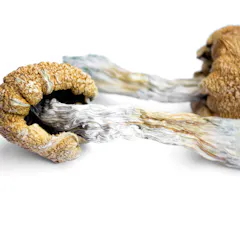
A woman with advanced dementia appeared to regain speech and independence after psilocybin. The findings are intriguing, but far from proof.

Animal experiments and analysis of patient records suggest that taking glucosamine is safe for a healthy brain but is associated with further decline in diseased brains.
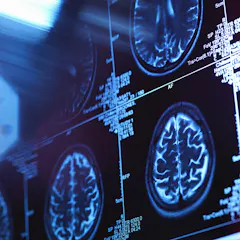
Studying middle-aged populations is important to understanding what Alzheimer’s disease looks like in the earliest stages, to make preventive measures more effective.

As G7 societies age and birth rates decline, we must invest in collaborative open science research, to optimize brain health for every citizen.

Bilingualism may interact with verbal memory and sex steroids to influence dementia risk in unexpected ways.
Top contributors
-

PhD Candidate, Neuroscience, University of Sheffield
-
Research Fellow in Neuroimmunology, UCL
-
Professor of Biological Psychology, Loughborough University
-
Professor of Chemistry and Senior Scientist of the Krembil Research Institute, University Health Network, University of Toronto
-
Head of Clinical Services, Dementia Support Australia, & Associate Professor of Psychiatry, Monash University
-
Professor Emeritus of Molecular Neurobiology at the University of Manchester and a Visiting Professorial Fellow, University of Oxford
-
Associate Professor, Turner Institute for Brain and Mental Health, Monash University
-
Professor of Neurology and Neuroscience, University of Florida
-
Host, The Conversation Weekly Podcast, The Conversation
-
Professor of Neurology, UCL
-
Post grad student at University of Edinburgh, University of Edinburgh
-
Associate Professor in Cellular Neuroscience, University of Reading
-
Professor of Psychology in Epidemiology, UCL
-
Étudiant au doctorat en psychologie, Université du Québec à Montréal (UQAM)
-
Affiliate Professor, Department of Family Medicine, McGill University