

We cannot fence the whole of Australia. Therefore, we need to know which species are most at risk from cats.
Articles on DNA testing
Displaying 1 - 20 of 42 articles
If you were a 23andMe customer, your genetic and personal information could be used in civil or criminal cases, targeted advertising, medical discrimination and so much more.
The possibility of new ownership over 23andMe has some customers concerned about how their sensitive genetic information will be handled in the future.
As 23andMe struggles financially, it’s a good time to reconsider issues on privacy, use, and commercialization of genetic information.
The laws around donor anonymity could change as at-home DNA testing gets more popular.
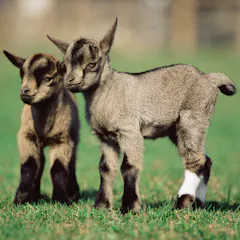
Animals often give birth to litters of more than one offspring at a time. But are those babies twins?

New genetic studies claim to be able to foretell our intelligence or predisposition to certain diseases. But two scientists beg to disagree, reminding us that not everything is written in our DNA.

Some versions that were permitted in 2017 don’t have the fragrance that we know and love.

Commercial tests often provide inconsistent results. Here are six questions to ask yourself before you pay for one.
Modern DNA sampling is shockingly sensitive – you can get someone’s profile from just 80 cells.
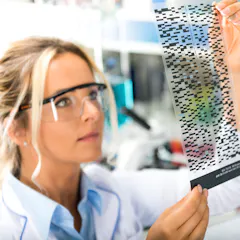
Taking a DNA test kit sounds like harmless fun but some people end up getting more than they bargained for.

Both Macron and Madonna have expressed concerns about genetic privacy. As DNA collection and sequencing becomes increasingly commonplace, what may seem paranoid may instead be prescient.
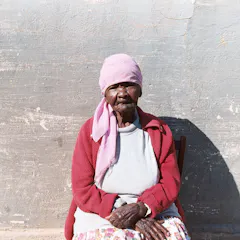
The South African Khoe-San communities are no strangers to exploitative research. One research team is trying to provide genetic ancestry results to community members. But they still face many challenges.
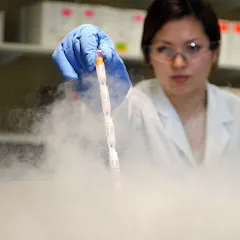
Many people are filing lawsuits after discovering that sperm banks failed to verify information from donors about their medical and personal backgrounds.

My family is Mauritian, but when I take a DNA test, Mauritian didn’t even rank as an ethnicity. It can’t. Everyone from Mauritius is from somewhere else, or from many places at the same time.

This Netflix series imagines we all have a DNA-compatible soulmate waiting for us. But while there are companies in the real world matchmaking via DNA, love is more complex than that.
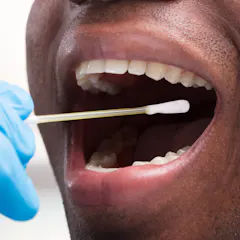
Scientists who work in local companies have acquired local knowledge and are therefore able to work with South Africa’s unique genetic diversity better than anyone else.
Research on the genetic basis of mental illness has so far largely excluded anyone who is not of European heritage.
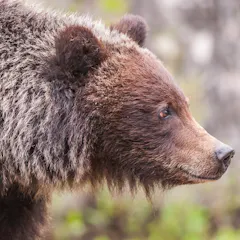
Information collected from DNA samples can be used to identify species, track their movements and diagnose genetic diseases. This information is useful in conservation and management projects.

When DNA databases and behavioural genetics combine, your family’s genes could play a role in criminal sentencing
Top contributors
-

Ethical, Legal & Social Adviser in Public Health Genomics, Monash University
-
PhD Candidate in Law, Queen's University, Ontario
-
Associate Professor in Law, University of Leicester; University of Oxford
-
Professor of Criminal Jurisprudence, University of Nottingham
-
Senior Lecturer in Molecular Biology, Western Sydney University
-
Visiting Scholar, School of Human and Community Development, University of the Witwatersrand
-
Professor of molecular and medical genetics, Oregon Health & Science University
-
Director, Queensland Bioethics Centre, Australian Catholic University
-
Assistant Professor in Human Genetics, Cold Spring Harbor Laboratory
-
Director of Bruce Lefroy Centre for Genetic Health Research, Murdoch Children's Research Institute
-
Assistant Professor of Microbiology, The Ohio State University
-
AIR Teaching Fellow, Goldsmiths, University of London
-
Emeritus Professor of Ecology, University of Salford
-
Associate Professor of Sociology, University of British Columbia
-
Professor, Murdoch Children's Research Institute