
If you were a 23andMe customer, your genetic and personal information could be used in civil or criminal cases, targeted advertising, medical discrimination and so much more.
Articles on 23andMe
Displaying 1 - 20 of 28 articles
The possibility of new ownership over 23andMe has some customers concerned about how their sensitive genetic information will be handled in the future.
Direct-to-consumer genetic testing services carry considerable privacy risks, as the bankruptcy filing of Cailfornia-based 23andMe has revealed.
As 23andMe struggles financially, it’s a good time to reconsider issues on privacy, use, and commercialization of genetic information.

There are some simple steps customers of 23andMe can take to protect their highly personal genetic data.
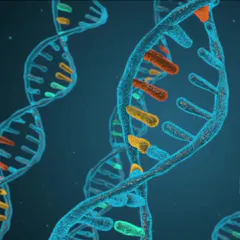
The laws around donor anonymity could change as at-home DNA testing gets more popular.

Genealogical and genetic ancestors aren’t the same thing. A DNA match − or a lack of one − may not tell you what you imagine it does about your family tree.

Our online data is inevitably intertwined with the data of others. Current protections are ill-equipped to address this reality and manage the far-ranging impacts of data breaches.

Biobanks collect and store large amounts of data that researchers use to conduct a wide range of studies. Making sure participants understand what they’re getting into can help build trust in science.
New genetic studies claim to be able to foretell our intelligence or predisposition to certain diseases. But two scientists beg to disagree, reminding us that not everything is written in our DNA.
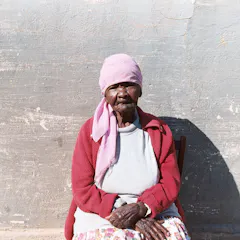
The South African Khoe-San communities are no strangers to exploitative research. One research team is trying to provide genetic ancestry results to community members. But they still face many challenges.
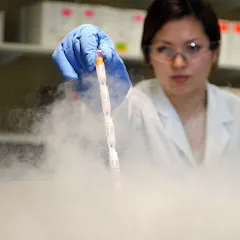
Many people are filing lawsuits after discovering that sperm banks failed to verify information from donors about their medical and personal backgrounds.
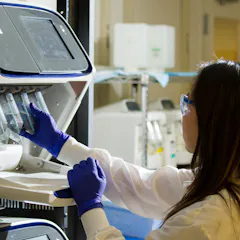
Privacy concerns that emerged since law enforcement started mining the databases have put such a serious dent in the business that both Ancestry.com and 23andMe have reduced employees significantly.

When DNA databases and behavioural genetics combine, your family’s genes could play a role in criminal sentencing

DNA testing kits will be a popular gift this holiday season. Before mailing off your saliva, it’s important to understand what these kits can and cannot tell us.
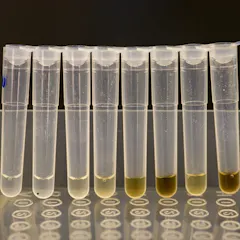
A US judge has allowed police access to the major DNA database without users’ consent (including Australian users). It’s a timely reminder that we urgently need genetic privacy legislation.

Scientists explain why commercial gene testing should be used with caution.
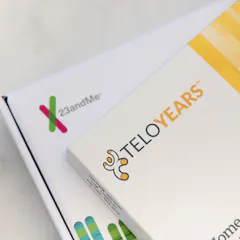
Genetic testing companies are offering tests that analyze the ends of your chromosomes – telomeres – to gauge your health and your real age. But is there scientific evidence to support such tests?
New research investigated who uses the wide array of tools available to people who’ve received their own raw genetic data and want to maximize what they learn from it.
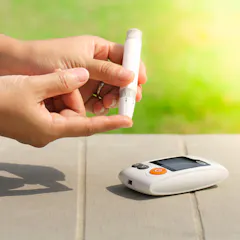
Direct-to-consumer genetic testing company 23andMe is now offering a new ‘polygenic risk score’ that reveals your risk of developing Type 2 diabetes. Does it work? Are our family physicians ready?
Top contributors
-

Professor of English, York University, Canada
-
PhD Candidate in Law, Queen's University, Ontario
-
Research Scientist in Biostatistics, University of Washington
-
Assistant Professor in Human Genetics, Cold Spring Harbor Laboratory
-
Associate Professor of Anthropology, University of California, Davis
-
Professor of Law, George Washington University
-
Associate Professor of Community Health Sciences, Boston University
-
Ethical, Legal & Social Adviser in Public Health Genomics, Monash University
-
Associate Professor of Population and Statistical Genetics, Hebrew University of Jerusalem
-
Françoise Clerget-Darpoux is a Friend of The Conversation.
Directeur de recherches émérite en génétique statistique, Inserm
-
PhD Candidate, School of Law, Trinity College Dublin
-
Professor of Law, University of Virginia
-
Research Fellow, University of Exeter
-
Academic Fellow, University of Sydney Law School, University of Sydney
-
Professor of Health Law, Public Health Law and Medical Ethics, University of South Florida