

Doctors have an overwhelming amount of individual patient data and medical research at their disposal to make diagnoses and treatment plans.
Articles on Precision medicine
Displaying 1 - 20 of 49 articles
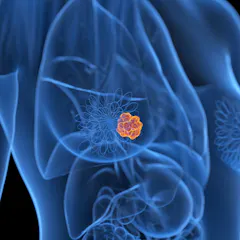
Breast cancer cases can differ significantly. Treatment needs to follow the individual needs of the patient.

Alcohol is responsible for more deaths than overdoses from opioids and all other substances combined, yet less than 10% of people with alcohol use disorder receive treatment.
Functional precision medicine works to take the guesswork out of deciding which drug to try next for patients with cancers that don’t respond to standard treatments.
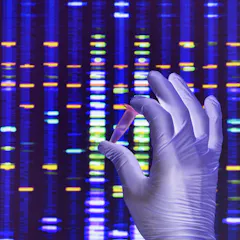
As New Zealand readies itself for AI-assisted medical treatment targeted to individuals, officials need to ensure the benefits outweigh the risks.
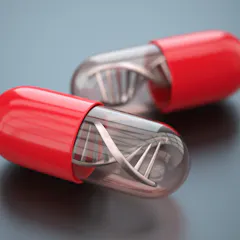
Genetic testing can help take the guesswork out of finding the right treatment. For certain diseases. To an extent.

Horses and humans share biological similarities that lead them to suffer from similar endocrine and orthopedic diseases. A number of treatments that work for one species often work for the other.
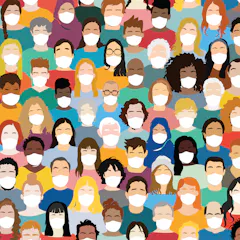
Medicine works better when the treatments are tailored to fit each individual person’s biology and history. A first step is increasing diversity in clinical trials, but the end goal is precision medicine.

There are several reasons that TB patients don’t or can’t adhere to their treatment.

Many approved drugs work on the body in ways that researchers still aren’t entirely clear about. Seeing this as an opportunity instead of a flaw may lead to better treatments for complex conditions.

Many doctors currently diagnose skin conditions by eye. Advances in molecular testing could lead to more precise and accurate diagnoses for ambiguous rashes and skin lesions.
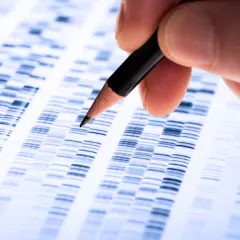
Medical education has not kept up with genetic discoveries — primary care physicians require more genetics and genomics training.

Precision medicine is often touted as the future of medicine. But so far, it hasn’t been helpful in the war against COVID-19. Here is how it could be used to tease apart the nuances of the disease.
PODCAST: The first episode of a new series from The Anthill focuses on precision medicine.

Introducing a new series from The Anthill podcast on the future of personalisation in healthcare.

Precision medicine is all the rage, but it may only be effective at treating less common diseases.

The first personalised medicine trial for a nutritional supplement has just reported its results.

Clinical trials are used to establish that medicines work. But these don’t take into account the genetic differences between us that can mean very different outcomes for different patients.
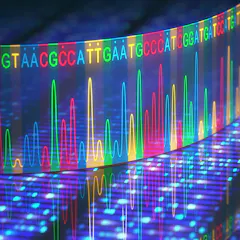
Superfast DNA analysis is now being used to crack medical mysteries when physicians can’t figure out whether an infectious microbe is causing the disease.
In an era of rapid technological advance, devastating climate change, increasing inequality and a steadily aging society, health-care leadership development is vital.
Top contributors
-

Professor and Regius Chair of Surgery, Director of Translational Research Centre, University of Glasgow
-
Wantz Professor of Bioethics, University of Michigan
-
Professor of Medicine, University of Oxford
-
Professor of Biological Sciences, University of Maryland, Baltimore County
-
Assistant Professor of Law, Georgia State University
-
Professor of Applied Mathematics, MIT Sloan School of Management
-
Lorenzo and Pamela Galli Chair in Developmental Medicine, Murdoch Children's Research Institute
-
Physician, teacher, researcher in preventive medicine and healthy aging, Emory University
-
Chair Professor, Michigan State University
-
Associate Professor of Public Policy and Women's Studies, University of Michigan
-
Associate Professor, School of Biomedical Sciences, Queensland University of Technology
-
Professor of Law and Director, Center for Law Health and Society, College of Law, Georgia State University
-
Professor of Breast Cancer Research, Institute of Health and Biomedical Innovation and School of Biomedical Sciences,, Queensland University of Technology
-
Professor Emeritus, Center for Bioethics and Social Sciences in Medicine, University of Michigan
-
Chief Specialist Scientist in Alcohol, Tobacco and Other Drug Research Unit, South African Medical Research Council