
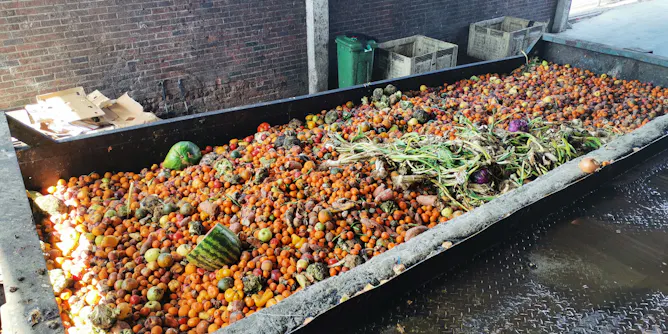
South Africa must focus not just on food production but on preserving what is produced through improved cold chain infrastructure.
Articles on Food waste
Displaying 1 - 20 of 141 articles
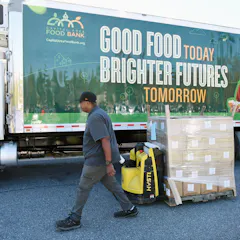
Picking up food more frequently from supermarkets doesn’t close the gap between what’s donated and could be donated, a supply chain scholar explains.
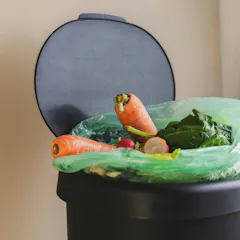
Grocery stores and the world around us are full of subtle psychological cues that encourage us to over-buy.

From brown bananas to soggy salad, we often let food get past its prime. Here are some tips to salvage what you can.

By improving how freshness data is measured and shared, Canada can waste less food, lower costs for households, reduce emissions and build a more resilient food system
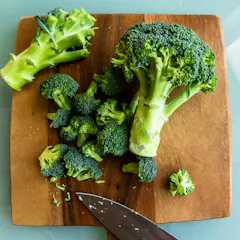
Sometimes the ingredients we throw away are the ones we should have cooked with all along. Here are some ideas to minimise food waste and save money.
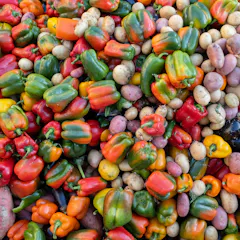
Wastage of edible food means lost calories, lost money and a growing climate problem.
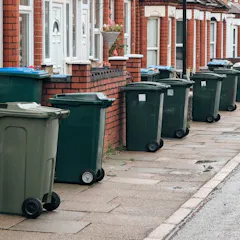
Fortnightly bin collections can prompt more recycling, research shows.

Researchers developed a dual-function biodegradable wash that removes surface pesticide residues and forms a thin protective layer to help fruit stay fresh longer.

Around 40 to 50 times more energy goes into producing, transporting and selling food than can be recovered from recycling it.

Rather than generating climate-warming emissions and wasting nutrients and energy, food waste can become a resource if processed in sewage treatment plants.

Bouillons are back! What’s behind the French revival of these cheap and cheerful eateries that started out as canteens for Paris’ hungry, blue-collar workers?

A nanoscopic view of lettuce reveals why it wilts and spoils faster than other vegetables.
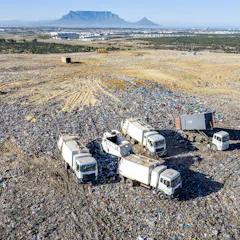
In South Africa, landfill practices impose a huge burden on the economy, environment and communities.
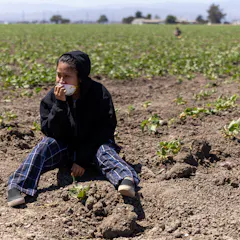
Despite the administration’s claim of streamlining the government to make its operations more efficient, a range of recent federal policies have, in fact, exacerbated food wastage.
The arrival of a supercenter results in a 7% bump in consumer waste, a study found.
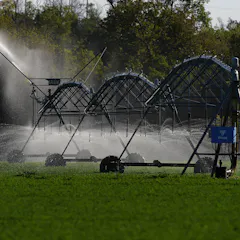
Consumer choices about what to eat and how much of it can affect how much water farmers need to use.

Men are more likely than women to eat offal, new research suggests.
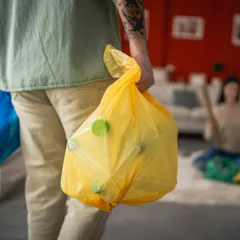
Damaging as it is, food waste has an end point: it decomposes, breaks down, and returns to the soil. Plastic packaging persists indefinitely.
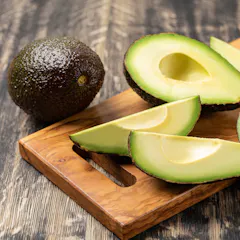
Tanzania’s avocado boom wastes 30%-50% of produce, hitting smallholder farmers hardest. Better training, fair prices, quality standards and storage can cut losses.
Top contributors
-

Professor of Applied Environmental Science, University of Southampton
-
Professor in Sustainable Production and Consumption, Anglia Ruskin University
-
Assistant Professor of Community Health Sciences, Boston University School of Public Health, Boston University
-
Assistant Professor of Supply Chain and Health Sciences, Northeastern University
-
Researcher in Sustainable Food Systems, University of Cambridge
-
Associate Professor of Marketing, Tasmanian School of Business and Economics, University of Tasmania
-
Associate Professor in Food Systems, The University of Melbourne
-
Associate Professor, Centre for Creative and Cultural Research, Faculty of Arts and Design, University of Canberra
-
Researcher in sustainable food systems, The University of Melbourne
-
Lecturer in Sustainable Manufacturing, Loughborough University
-
Senior Lecturer in Geography, University of Sheffield
-
Professor of Marketing and Consumer Behaviour, Queensland University of Technology
-
Doctor of Environmental Science, University of Southampton
-
Research Fellow in Environmental Change, University of Sheffield
-
Professor and Director Centre for Agricultural Engineering, University of Southern Queensland