
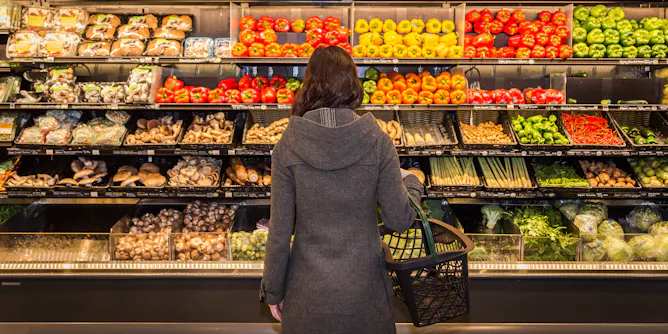
British households waste nearly 32% of all purchased food items per year.
Articles on Food waste
Displaying 61 - 80 of 141 articles
Current expiration date system leads to confused consumers and wasted food.
Ending GST on some foods is being touted as a way to reduce food poverty. But cheap food comes with a high environmental and health cost. Is there a way to value food but reduce hardship?

Technologies like biomass gasification can help tackle the growing global problem of food waste.
Our new technology to recycle food waste into prebiotics uses no toxic chemicals and no fossil fuels.
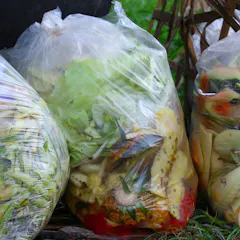
Food waste is putting a strain on the environment, but people can make small changes at home to help, recent research shows.
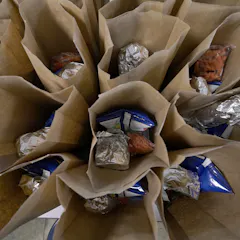
A recent survey finds that the pandemic made it harder for many US households to put food on the table. It also changed the ways in which people buy and store food.
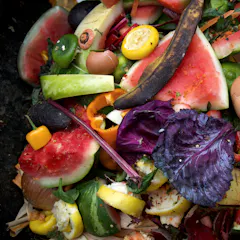
Wasting food feeds climate change but relatively small changes can make a big difference. Here are 6 to try.
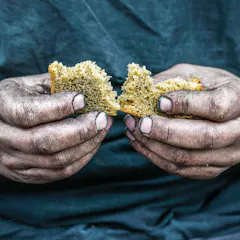
The hidden costs of industrial food production include immense health and environmental impacts. These include millions of deaths, climate change, pollution and biodiversity loss.

Reusable containers may have to be reused many times to offset their negative environmental impacts - improving recycling infrastructure could be the answer.
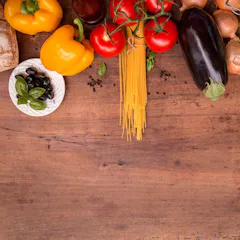
Biogas is often overlooked as a source of renewable energy, but it could be a solution to dealing with the 9.5 million tonnes of food waste created by the UK every year.
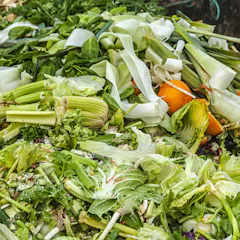
Food waste is responsible for 3 billion tonnes of carbon dioxide emissions.
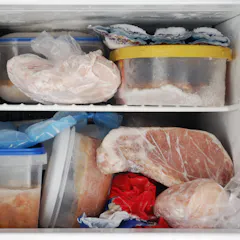
Scientists are looking for safe new ways to prevent ice from damaging food in frozen storage, which costs consumers billions of dollars a year in wasted food.
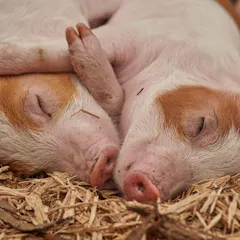
Converting food waste to animal feed – or reducing it altogether by supermarkets working with farmers – could save millions of tonnes of food from being discarded. It could also help raise animal welfare standards.
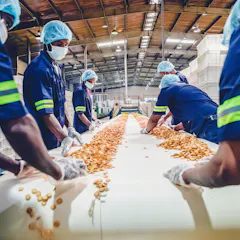
The cost of food that gets trashed anywhere between the farm and your plate is hundreds of billions of dollars a year in just the US. But a lot can be salvaged as ingredients for other food products.

There are many hard lessons learned from the pandemic; one is that our food system needs a serious reboot. Luckily, we need only look to nature’s cycles for clues on how to fix it.
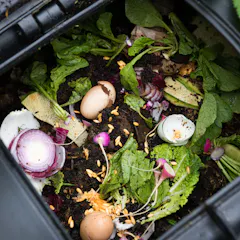
With more people composting due to environmental concerns or council programs, they need to know how to do it right.
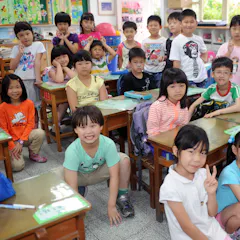
Taiwan has made significant efforts in protecting its environment. A scholar writes about how the country educates its children on protecting the environment through Buddhist stories.
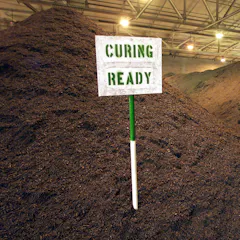
Turning food scraps and yard trimmings into compost improves soil, making it easier for people to grow their own food. City composting programs spread those benefits more widely.
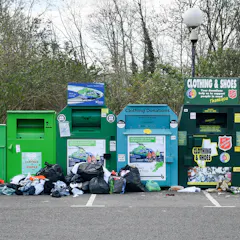
Lockdown has exposed real problems with the circular economy which urgently need to be addressed.
Top contributors
-

Professor of Applied Environmental Science, University of Southampton
-
Professor in Sustainable Production and Consumption, Anglia Ruskin University
-
Assistant Professor of Community Health Sciences, Boston University School of Public Health, Boston University
-
Assistant Professor of Supply Chain and Health Sciences, Northeastern University
-
Researcher in Sustainable Food Systems, University of Cambridge
-
Associate Professor of Marketing, Tasmanian School of Business and Economics, University of Tasmania
-
Associate Professor in Food Systems, The University of Melbourne
-
Associate Professor, Centre for Creative and Cultural Research, Faculty of Arts and Design, University of Canberra
-
Researcher in sustainable food systems, The University of Melbourne
-
Lecturer in Sustainable Manufacturing, Loughborough University
-
Senior Lecturer in Geography, University of Sheffield
-
Professor of Marketing and Consumer Behaviour, Queensland University of Technology
-
Doctor of Environmental Science, University of Southampton
-
Research Fellow in Environmental Change, University of Sheffield
-
Professor and Director Centre for Agricultural Engineering, University of Southern Queensland