

It’s cheaper and quicker to dump waste illegally. At one location, it’s used to support collapsing land – a practice called ‘literal landfilling’.
Articles on Landfill
Displaying 1 - 20 of 78 articles

Rather than generating climate-warming emissions and wasting nutrients and energy, food waste can become a resource if processed in sewage treatment plants.
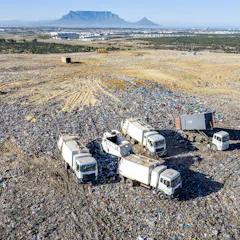
In South Africa, landfill practices impose a huge burden on the economy, environment and communities.

Only 1.5% of soil arriving at waste facilities in England was classed as hazardous, suggesting we are throwing away mostly healthy, usable soil.
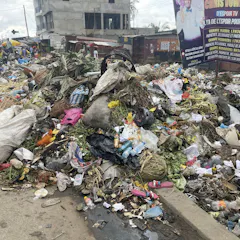
Only 43% of Cameroon’s urban residents have their garbage removed from their homes. Other garbage ends up dumped, burned or placed in overflowing communal bins.

Research shows most Australians believe they are good recyclers – but they’re often wrong. Here’s how to avoid common recycling mistakes.

Not all plastic is the same. Old yogurt cups and milk jugs, for example, don’t play well together when being turned into new materials. However, there are solutions.
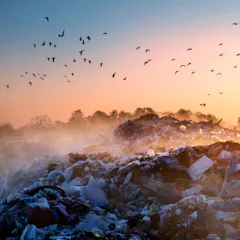
Cover landfills and manure tanks and shrink dairy herds, for a start.

Urban mining recovers valuable resources from the vast amounts of waste cities produce.

Human activities now account for two-thirds of all methane venting to the atmosphere – and our efforts to staunch the flow are not yet bearing fruit.

There are hopes AI may be the silver bullet we need to save the environment – but it comes with downsides.
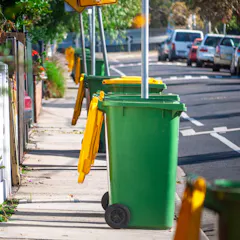
We all say we like recycling. But contamination rates are high. Victoria’s government hopes a new bin for glass and recycling soft plastic can help.

An essential part of managing a growing global waste problem is sorting, recovering and recycling it. But you won’t see this on children’s shows that feature waste collection.

Wind farm owners are keeping old turbines in service to capitalise on high electricity prices.
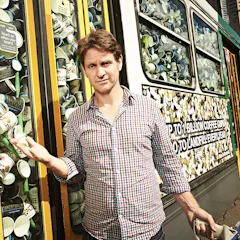
Understanding the success of the ABC’s War on Waste is a lesson in behavioural psychology. Research reveals five ways to guide other entertainment-education interventions to similar success.

Halloween is a sustainability nightmare – but it doesn’t have to be.
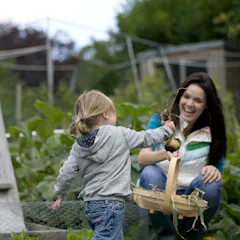
Those who grow their own food in gardens and allotments waste less and eat more healthily – but not everyone has the chance to do so.

Manitoba’s refusal to fund the search for the remains of three Indigenous women is met with denouncement from the Assembly of First Nations.
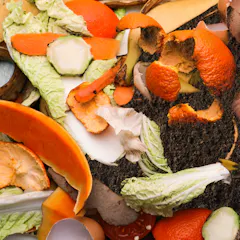
When food scraps and garden clippings are sent to landfill, it’s not just a waste of nutrients and water. The rotting organic matter trapped in landfill produces methane, a potent greenhouse gas.

Rubbish can be reused or recycled – or it may end up in a dumpsite.
Top contributors
-

Lecturer, School of Life and Environmental Sciences, Deakin University
-
Professor and Director Centre for Agricultural Engineering, University of Southern Queensland
-
Professor of Economics, Bucknell University
-
Senior Lecturer, Auckland University of Technology
-
Professor of Waste Management, The University of Queensland
-
Research Chair, Indigenous Approaches to Environmental Management, Keele University
-
Senior Research Fellow, BehaviourWorks Australia, Monash University
-
Researcher, Urban Informatics Research Lab, Queensland University of Technology
-
Masters student, Carleton University
-
Associate Professor of Chemical & Environmental Engineering & Forestry & Environmental Studies, Yale University
-
Professor of Terrestrial Ecology, Deputy Vice Chancellor, Tropical Environments and Societies, James Cook University
-
Professor of Sociology, Goldsmiths, University of London
-
Director, Glowpear, Board member, ISDRS, Vice President, AHA and Senior Lecturer in Industrial Design, RMIT University
-
Birkbeck, University of London
-
Adjunct professor, Department of Biology, Carleton University
