
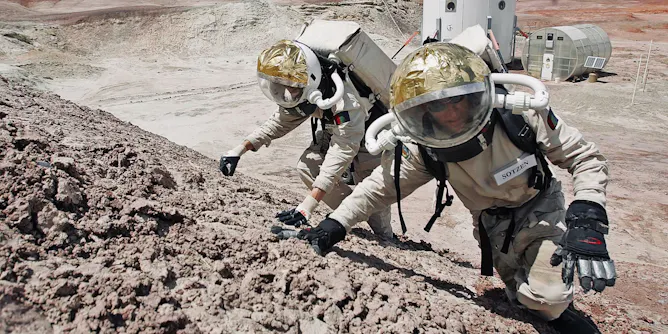
Even on ‘Mars’, humans waste food. And some types of food are more likely to end up in the bin than others.
Articles on Food waste
Displaying 81 - 100 of 141 articles
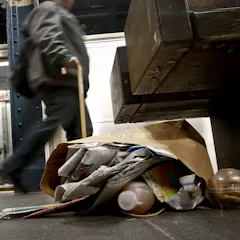
Climate change, globalization and concerns about rat poison soon could drive rat infestations to levels not seen in centuries. One way to curb them is getting humans to stop wasting food.
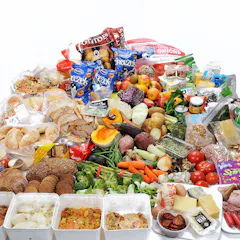
Waste-free by 2035 in Indonesia is doable through three strategies to reduce food waste.

Cities around the world are struggling to manage their mountains of waste. We can use the Internet of Things for smart waste systems that collect, sort, reuse and recycle most of what is thrown out.

Households generate a large share of national greenhouse gas emissions and can take steps to reduce them.
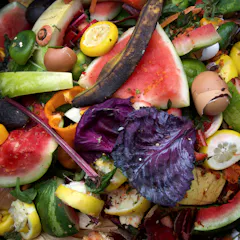
The nutritional, financial and environmental cost of an average family’s weekly food waste is shocking. It equates to five adult meals, 143 showers, $18 and 23 kg of CO2.
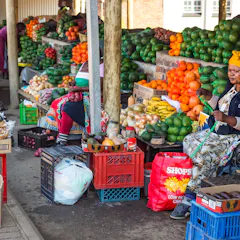
South Africa’s recently introduced carbon tax may lead to financial losses in the short term, but it’s necessary and will be beneficial in the long term.
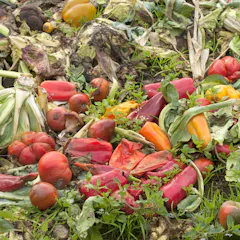
Business minds using up leftovers.
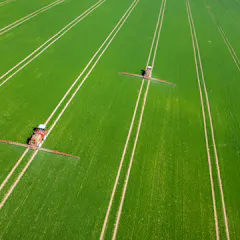
The food system urgently needs to be redesigned if we are to avoid crisis.
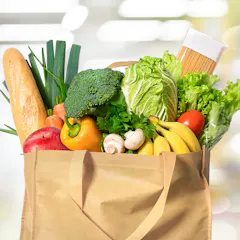
Waitrose’s trial of packaging-free products in one of its stores is welcome news, but its just the start of what supermarkets should be doing to address the climate and ecological crises.
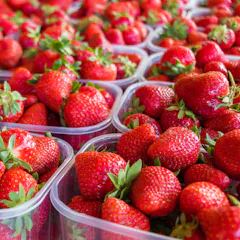
Food waste could be worse than plastic when it comes to harming the environment.
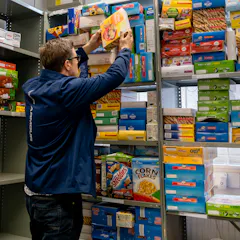
Reducing food waste by feeding hungry Canadians is a simplistic solution that is deeply problematic and morally distressing.
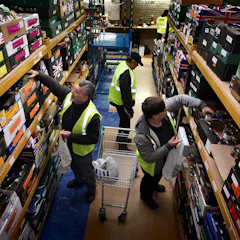
Food banks should not be “normal” and yet they are rapidly becoming an accepted substitute for welfare in the UK.
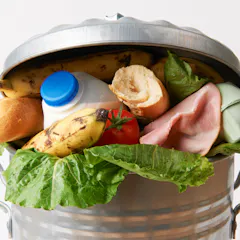
Supermarkets and farms have acted to ensure they discard fewer “ugly” and “wonky” fruit and vegetables. However, the bulk of the problem lies with households.
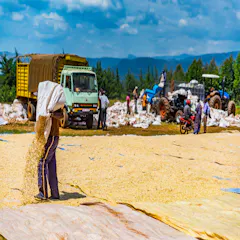
CC BY-NC-ND12.7 MB (download)
Once crops have been harvested, farmers experience wastage and loss of food all over Africa.

Hexanal, a chemical produced naturally by fruits and vegetables, may help keep produce fresher for longer.

In the UK the equivalent of four million Christmas dinners are wasted every year.

Research shows that when Americans are aware of the scale of food waste, and how much energy and water are used to produce food, they support measures to reduce the problem.
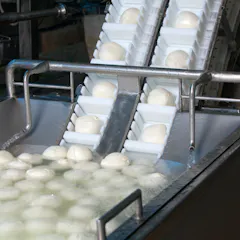
Leftover lactose from cheese production shows early promise as a treatment that can help soils retain water and nutrients, making them more resistant to drought.
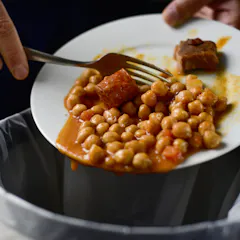
There is something deeply irrational about the food waste movement.
Top contributors
-

Professor of Applied Environmental Science, University of Southampton
-
Professor in Sustainable Production and Consumption, Anglia Ruskin University
-
Assistant Professor of Community Health Sciences, Boston University School of Public Health, Boston University
-
Assistant Professor of Supply Chain and Health Sciences, Northeastern University
-
Researcher in Sustainable Food Systems, University of Cambridge
-
Associate Professor of Marketing, Tasmanian School of Business and Economics, University of Tasmania
-
Associate Professor in Food Systems, The University of Melbourne
-
Associate Professor, Centre for Creative and Cultural Research, Faculty of Arts and Design, University of Canberra
-
Researcher in sustainable food systems, The University of Melbourne
-
Lecturer in Sustainable Manufacturing, Loughborough University
-
Senior Lecturer in Geography, University of Sheffield
-
Professor of Marketing and Consumer Behaviour, Queensland University of Technology
-
Doctor of Environmental Science, University of Southampton
-
Research Fellow in Environmental Change, University of Sheffield
-
Professor and Director Centre for Agricultural Engineering, University of Southern Queensland