
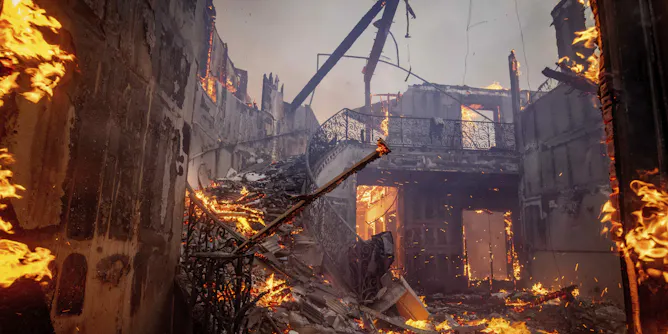
The causes of the wind-driven fires that burned thousands of homes in the Los Angeles area are under investigation, but there were no lightning strikes reported at the time.
Articles on Extreme weather
Displaying 281 - 300 of 712 articles
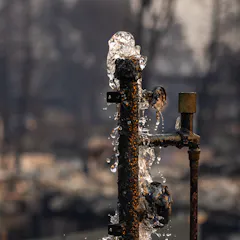
Fires can make drinking water, and the water pipes and tanks themselves, unsafe. A researcher who has worked with communities after several wildfires explains why, and what to do.
The heath-related impacts of climate change will reach US$1 trillion a year by 2050.
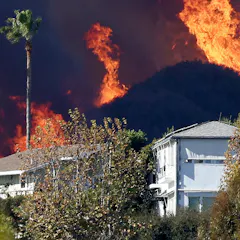
The state is seeing a sharp water divide this year, with lots of rain in the north while the south has stayed dry. A hydrologist explains what’s happening.
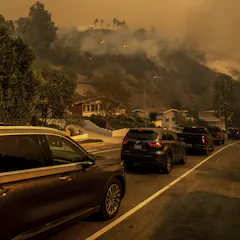
The chemicals emitted when buildings and vehicles burn can find their way into nearby homes. Studies show the health risks can stick around.

The oceans have been much warmer than average for the past two years, and the planet just set another global heat record. What’s going on?
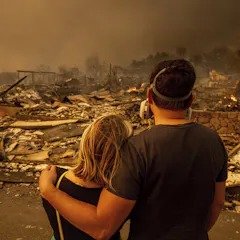
Where people live today also makes a difference when it comes to fire risk.
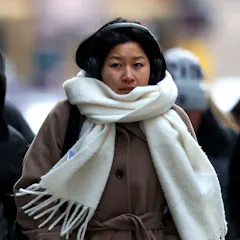
That depends on how you define ‘normal.’ The baseline has been creeping up as the planet warms.
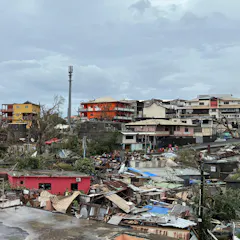
The ongoing conflict and terrorist violence, coupled with cyclones like Kenneth in 2019, has caused repeated evacuations and worsening living conditions.

Why wetlands are so useful in an increasingly unpredictable climate.
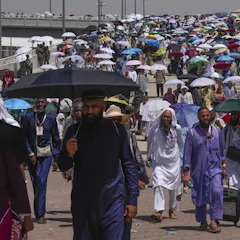
Our bodies have hard limits as to how much heat and humidity we can tolerate. Lethal humid heat is a growing threat
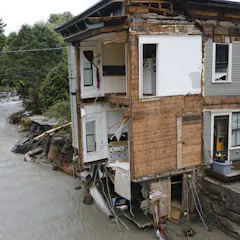
If federal streamgages were bolstered by networks of cheaper monitors run by communities, the results could save lives.

Much of the country is sweltering under extreme heat that was very well forecast. But seemingly minor factors can make a big difference to what happens on the day.
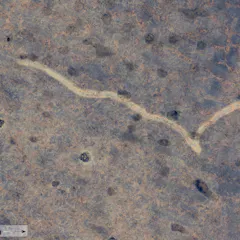
An 11-kilometre long tornado scar was discovered on the Nullarbor Plain. Without the power of technology, it would have gone unnoticed.

A powerful storm hitting the West Coast combines these phenomena for a wet week of erratic weather, as a meteorologist explains.
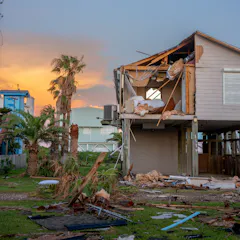
Insurance costs are rising quickly across much of the country. Hurricanes are part of the reason, but it’s the other perils common across the Midwest and Great Plains that complicate costs.
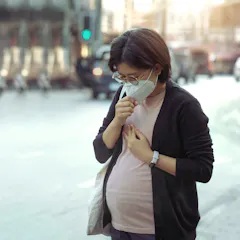
Everyone working in health needs to prepare for and be equipped to respond to the health consequences of the climate crisis.
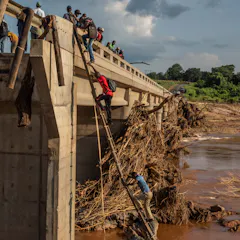
Getting aid to countries before the storm or drought hits is one response increasingly being used to limit the damage.
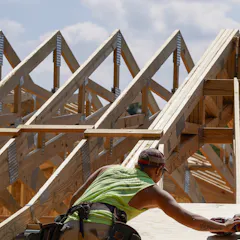
In interviews with residents and builders after disasters from Hawaii to Colorado to Puerto Rico, an engineer and policy specialist found people often overestimating the cost of building back better.
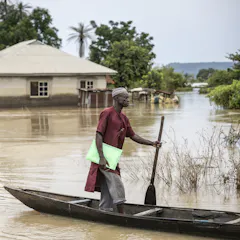
Nigeria’s representative at COP29 must realise that an unimpressive outing will leave citizens more at the mercy of climate change impacts.
Top contributors
-

ARC Future Fellow and Associate Professor in Climate Science, ARC Centre of Excellence for 21st Century Weather, The University of Melbourne
-
Adjunct Professor of Environmental Geography, CQUniversity Australia
-
Professor of Climate Science, UMass Lowell
-
Principal Research Scientist in Extreme Weather, The University of Melbourne
-
Professor of Economics and Environmental Studies, Wesleyan University
-
Associate Professor of Landscape Architecture and Urban Planning, Texas A&M University
-
Regius Professor of Meteorology and Climate Science, University of Reading
-
Professor of Geology and Environmental Geosciences, University of Dayton
-
Professor emeritus, The University of Melbourne
-
Honorary Associate Professor of Climate Science, The University of Melbourne
-
Director, ANU Institute for Climate, Energy & Disaster Solutions, Australian National University
-
Meteorologist and Research Program Manager, University of Wisconsin-Madison
-
Senior Lecturer in Climate Science, Imperial College London
-
Professor of Natural Resources and Environmental Science, University of Vermont
-
Professor of Climate Change Impacts, Newcastle University