
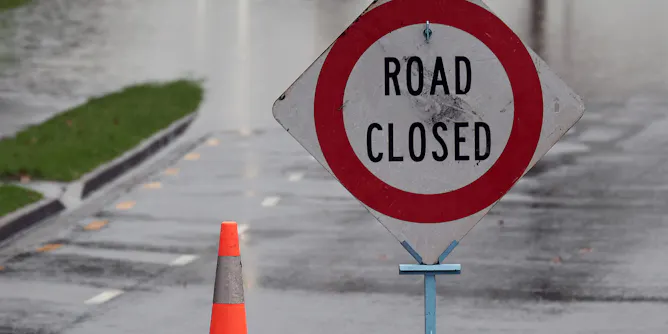
Adaptive planning doesn’t mean people have to abandon coastal towns. It is about having a roadmap with multiple options to adjust as climate conditions evolve.
Articles on Extreme weather
Displaying 241 - 260 of 710 articles
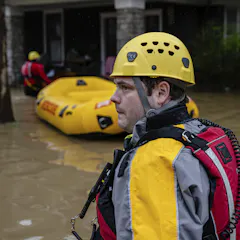
Rising global temperatures increase the risk of extreme downpours, as a climate scientist explains.
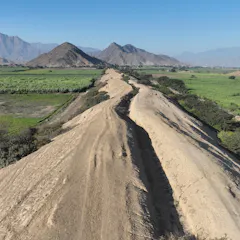
Ancient practices hold important lessons for farmers facing drying lands, but they were often more complex than modern societies realize. Glacier loss adds to the challenge today.
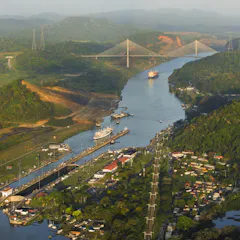
Two-thirds of the Panama Canal watershed’s freshwater goes to operate the locks. The country plans to build another reservoir to funnel in more water, but hundreds of homes stand in the way.
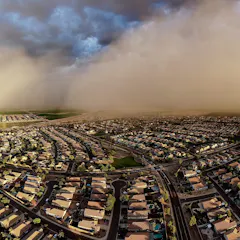
One long line of powerful winds can whip up dust storms, spread wildfires, spin up tornadoes and fuel blizzards – all at the same time across different states.

When mountain permafrost thaws and glaciers melt, glacial lakes can become lethal flood risks for anyone downstream.

The atmosphere now has the highest carbon dioxide levels in the last 800,000 years – and global heat records have toppled yet again. Coincidence? Of course not
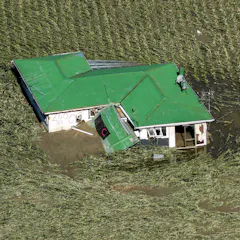
New Zealand relies on data from insurance and an international source to assess damages from extreme weather. But these datasets are fragmented, incomplete and unreliable.
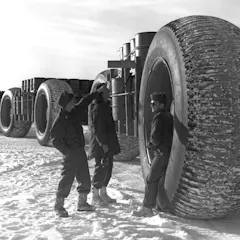
During the Cold War, the US poured support into Arctic military outposts and climate research amid fears of a Russian invasion. Climate change is still on the military’s radar as a threat multiplier.
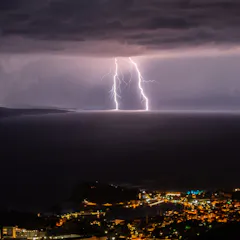
An unplanned experiment takes scientists closer to solving a long-standing mystery: To what extent, if any, have human-created emissions influenced thunderstorms?
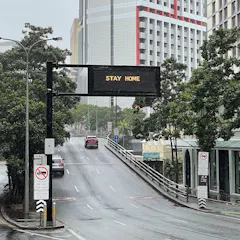
As climate change accelerates and trust in authority declines, natural disasters trigger waves of easy – but false – explanations.
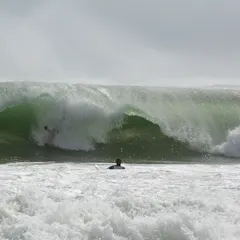
What drives surfers to hit the waves as a cyclone approaches the coast? And what will it take to get them to stop?

How do you stay safe while you begin the clean up and recovery? It can be helpful to have a plan of action ready.
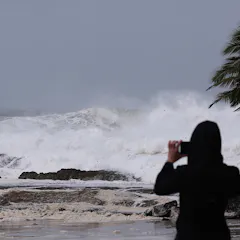
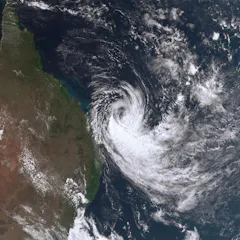
Warmer oceans, more rain and higher seas are likely to heighten Cyclone Alfred’s impact

One of Australia’s most valuable social surveys also found a record number of households have been affected by natural disasters.
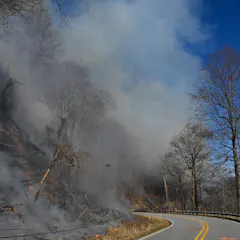
Fires are a natural part of the landscape and essential for many species. But scores of fires at once were more than anyone bargained for.
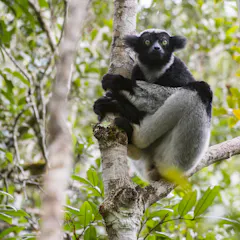
Lemurs show traits associated with resilience to living in a disaster-prone environment.

For millions of people, Cyclone Alfred will be their first. From “go bags” to sandbags, here’s what you should do to be as ready as possible.
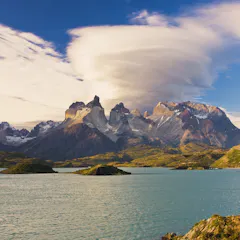
Puffy to wispy, barely there or dark and menacing, clouds come in many shapes and sizes. Each tells a story about what’s going on in the atmosphere.
Talk to your neighbours. Do they have a generator or a camping fridge you can use? This is an opportunity to get to know your community and pool your resources.
Top contributors
-

ARC Future Fellow and Associate Professor in Climate Science, ARC Centre of Excellence for 21st Century Weather, The University of Melbourne
-
Adjunct Professor of Environmental Geography, CQUniversity Australia
-
Professor of Climate Science, UMass Lowell
-
Principal Research Scientist in Extreme Weather, The University of Melbourne
-
Professor of Economics and Environmental Studies, Wesleyan University
-
Associate Professor of Landscape Architecture and Urban Planning, Texas A&M University
-
Regius Professor of Meteorology and Climate Science, University of Reading
-
Professor of Geology and Environmental Geosciences, University of Dayton
-
Professor emeritus, The University of Melbourne
-
Honorary Associate Professor of Climate Science, The University of Melbourne
-
Director, ANU Institute for Climate, Energy & Disaster Solutions, Australian National University
-
Meteorologist and Research Program Manager, University of Wisconsin-Madison
-
Senior Lecturer in Climate Science, Imperial College London
-
Professor of Natural Resources and Environmental Science, University of Vermont
-
Professor of Climate Change Impacts, Newcastle University