
Talk to your neighbours. Do they have a generator or a camping fridge you can use? This is an opportunity to get to know your community and pool your resources.
Articles on Extreme weather
Displaying 261 - 280 of 711 articles
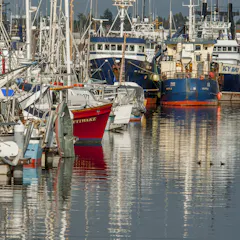
NOAA’s work has kept fisheries from collapsing, helped coastal ecosystems survive extreme heat and battled invasive species, among many other tasks essential to coastal economies.
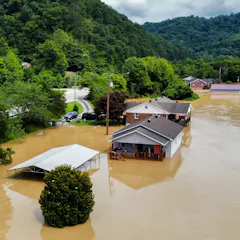
The latest floods exposed the deep vulnerability of many mountain communities in eastern Kentucky, where land ownership patterns and other barriers to recovery can leave residents with few options.
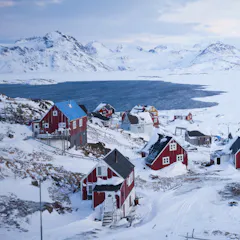
Melting ice, thawing permafrost and crumbling fjord walls are just a few of the risks climate change poses for those living and working in Greenland.

It starts with better building policies that recognize future risks, but there are many other important steps.

The powdery snow that skiers and snowboarders love, especially on crystal clear days, plays a big role in how much your skin will burn.

Several groups are working to preserve webpages, tools and data – some of which have already gone missing from government webpages since the start of the Trump administration.

Even if Zelia doesn’t hit towns directly, it’s likely to cause a lot of damage.

NOAA operates fleets of satellites, sensors on airplanes and ocean-going buoys, as well as radar, providing the data used by weather forecasters nationwide – and freely available to anyone.
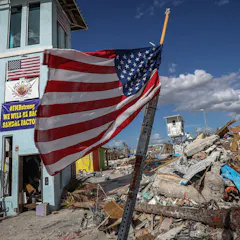
FEMA pools national resources to help states quickly manage disasters. Without that federal support, each state would be left to build its own expensive response capabilities.

Cities across the normally wet Northeast scrambled to reduce water use amid a 2024 drought. It was a reminder that drought isn’t a problem only in the West.
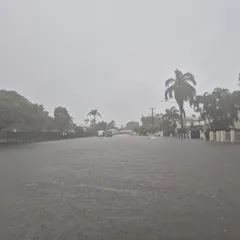
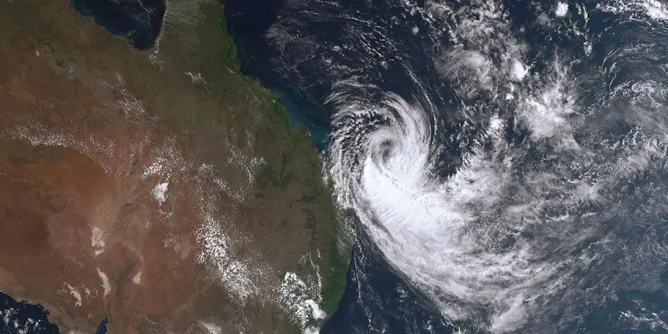
One woman has died, as floodwaters continue to rise from Townsville up to Cairns. An environmental geography expert explains what’s behind the floods – and what to watch in coming days.
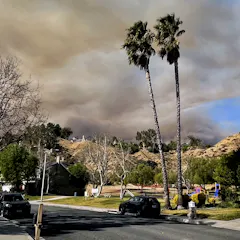
The LA wildfires stand as a reminder that evacuating fast in the face of a disaster isn’t easy, even when you think you’re prepared.
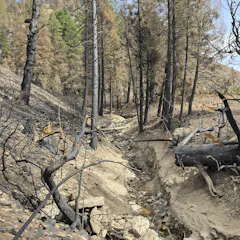
Debris flows can move with the speed of a freight train, picking up and demolishing anything in their path.
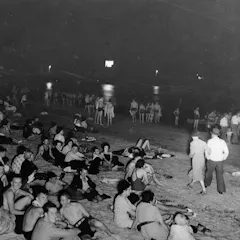
In 1939, Adelaide endured 13 straight days of extreme heat – residents’ diaries from the time reveal old-fashioned cooling strategies.
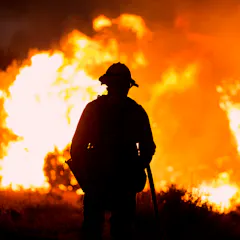
Private firefighters in affluent LA neighbourhoods are a sign of an increasingly privatised response to disasters.
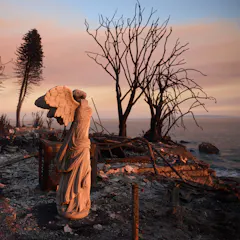
What celebrities and the super-rich losing their homes reveals about climate change injustice.
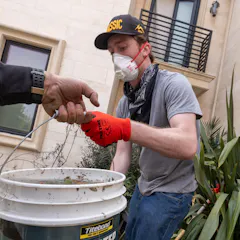
In emergencies, when every minute counts, research shows family, friends and neighbors are often saving lives. These local efforts go uncounted, yet they’re crucial.
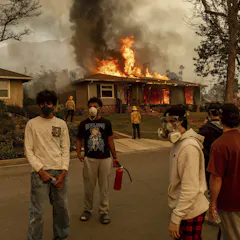
Human bodies aren’t prepared for the toxic chemicals in smoke, and the effects can be harmful in the short term and long term.
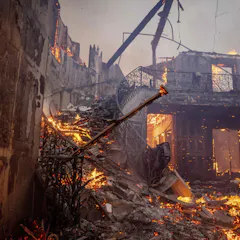
The causes of the wind-driven fires that burned thousands of homes in the Los Angeles area are under investigation, but there were no lightning strikes reported at the time.
Top contributors
-

ARC Future Fellow and Associate Professor in Climate Science, ARC Centre of Excellence for 21st Century Weather, The University of Melbourne
-
Adjunct Professor of Environmental Geography, CQUniversity Australia
-
Professor of Climate Science, UMass Lowell
-
Principal Research Scientist in Extreme Weather, The University of Melbourne
-
Professor of Economics and Environmental Studies, Wesleyan University
-
Associate Professor of Landscape Architecture and Urban Planning, Texas A&M University
-
Regius Professor of Meteorology and Climate Science, University of Reading
-
Professor of Geology and Environmental Geosciences, University of Dayton
-
Professor emeritus, The University of Melbourne
-
Honorary Associate Professor of Climate Science, The University of Melbourne
-
Director, ANU Institute for Climate, Energy & Disaster Solutions, Australian National University
-
Meteorologist and Research Program Manager, University of Wisconsin-Madison
-
Senior Lecturer in Climate Science, Imperial College London
-
Professor of Natural Resources and Environmental Science, University of Vermont
-
Professor of Climate Change Impacts, Newcastle University